The Sahara Desert, known for its vast and arid landscapes, presents an intriguing paradox: while it stands as one of the hottest places on Earth, it experiences rainfall that can lead to unexpected flooding. Understanding the dynamics of this desert’s climate provides valuable insights into the delicate balance of ecosystems and the impacts of climate change. Let’s delve into how often the Sahara floods and explore the implications of these rare weather events.
Understanding the rainfall patterns in the Sahara Desert
Deserts are often characterized by extreme lack of moisture, and the Sahara is no exception. Despite its dry reputation, interestingly enough, it does receive rain—though very sporadically. The average annual rainfall in this expansive desert is a mere 0.5 millimeters, an astonishingly low figure compared to other regions of the world. This scarcity makes any significant rainfall noteworthy.
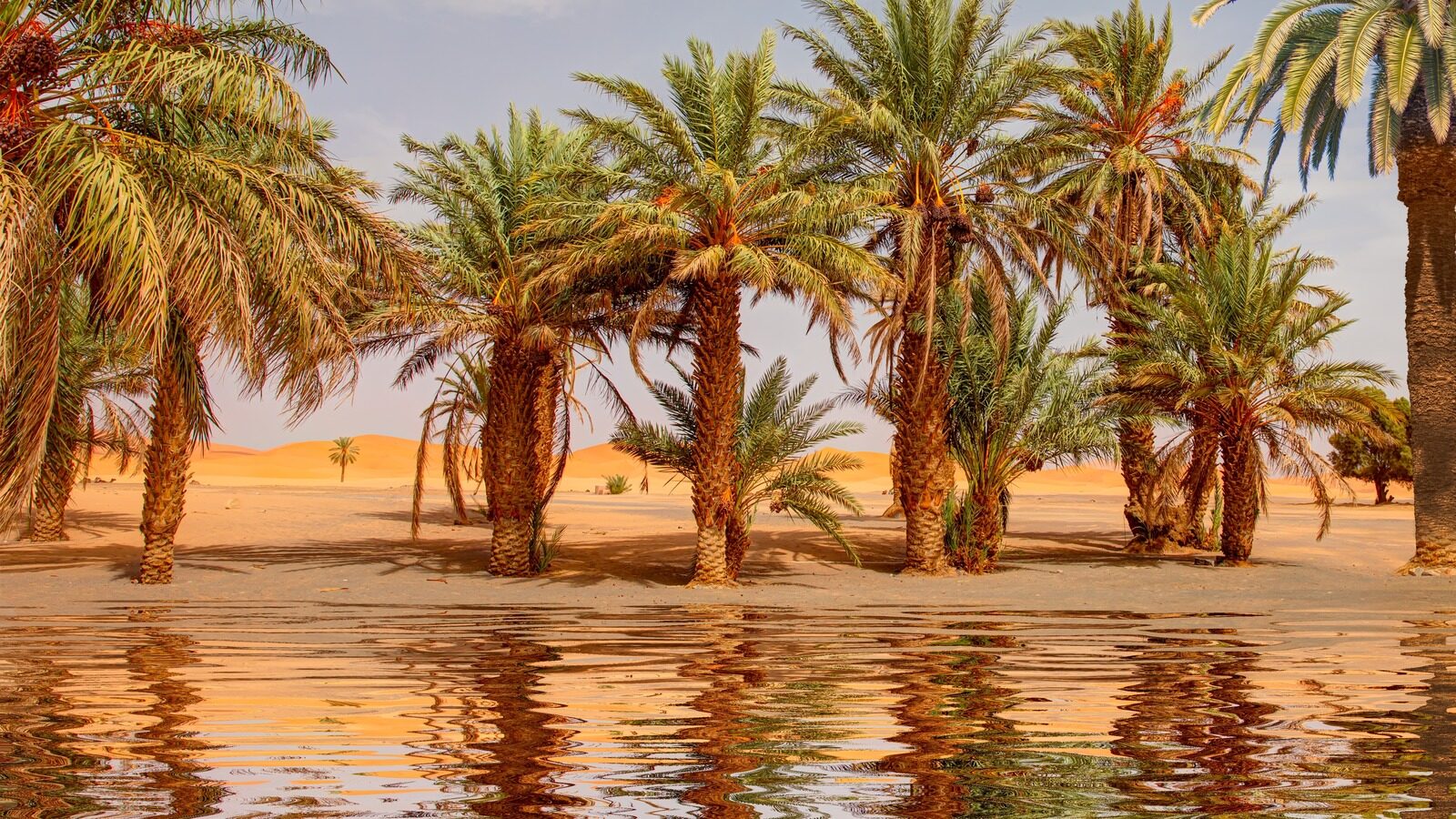
In September 2024, the Sahara’s northwest region experienced an extraordinary weather event when an extratropical cyclone unleashed approximately 200 millimeters of rain. This amount surpassed the usual precipitation for decades and brought drastic changes to the otherwise barren landscape. For perspective, this is equivalent to nearly 8 inches of rain in just a few days, a stark contrast to the annual average.
NASA’s Terra satellite documented the profound effects of this rainfall, revealing how typically dry lakes became inundated with water. However, such flooding events are not commonplace; researchers analyzing weather patterns between 2000 and 2021 identified only six instances that resulted in significant flooding within the Sahara.
Why flooding in the Sahara can have negative consequences
Despite the seemingly beneficial aspect of rain, flooding in the Sahara comes with its own set of challenges. The desert’s ecosystem has not always been as parched as it is today. Around 8,000 years ago, during the African Humid Period, the Sahara was characterized by lush grasslands and forests, earning it the title of the “Green Sahara.” This transformation into a desert is attributed to changes in Earth’s orbit, which has led to cycles of varying humidity.
According to recent research published in Nature Communications, flooding now poses a significant threat to desert regions. Events like the devastating floods in Derna, Libya, in September 2023 highlight the potential for destruction that heavy rainfall can bring. Climate change has been identified as a contributing factor to the increased frequency of such severe weather events.
Karsten Haustein, a climate researcher at Leipzig University, emphasized that the Intertropical Convergence Zone, responsible for bringing moisture to the Sahara, is shifting northward due to global warming. This shift raises concerns about the stability of the desert ecosystem and the communities that inhabit it. The potential consequences of more frequent and intense flooding include:
- Soil erosion: Heavy rains can wash away the topsoil, crucial for any vegetation.
- Displacement of flora and fauna: Flooding can alter habitats, forcing wildlife to migrate or perish.
- Threat to local communities: Floodwaters can inundate settlements and agricultural lands, impacting livelihoods.
- Increased salinity: Inundation of saltwater can affect freshwater supplies and agriculture.
- Infrastructure damage: Flooding can obliterate roads and buildings, leading to costly repairs.
The interplay of climate change and desert flooding
Climate change is increasingly recognized as a driving force behind the irregular weather patterns observed in the Sahara. A study in Nature Climate Change predicts that as carbon dioxide levels rise due to fossil fuel emissions, extreme weather events will continue to intensify and may spread northward.
This raises several important considerations regarding the management of water resources and agricultural practices in the region. The increase in flooding could require:
- Revised agricultural practices: Farmers may need to adapt techniques to cope with erratic rainfall.
- Improved water management systems: Developing infrastructure to handle sudden influxes of water is essential.
- Community education: Informing local populations about flood risks and preparedness strategies.
- Research funding: Investing in studies that focus on climate resilience and adaptation strategies.
The historical context of the Sahara’s climate
To fully comprehend the current dynamics of rainfall and flooding in the Sahara, it is essential to consider its historical climate patterns. The desert has undergone significant changes, oscillating between humid and arid periods. The previous Green Sahara era was marked by an environment conducive to life, supporting diverse ecosystems. Today’s desert conditions are part of a long cycle influenced by natural climatic shifts.
Understanding these historical transformations helps frame our approach to current environmental challenges. It underscores the importance of adapting to climate variability, which may not only be a contemporary issue but also part of a larger, ongoing climatic narrative.
With the Sahara’s climate evolving, researchers continue to explore how various factors contribute to its current state. This ongoing inquiry is crucial for developing mitigation strategies that could help protect vulnerable ecosystems and human communities alike.