Have you ever stopped to wonder why the world of birds is so vibrant and diverse? Among the most intriguing aspects of avian life is the stark difference in appearance between male and female birds. While males flaunt a dazzling array of colors, females often appear much more muted and drab. This phenomenon is not merely a matter of aesthetics; it speaks to the intricate balance of survival, reproduction, and evolutionary traits that define the avian kingdom. In this exploration, we will delve deeper into why male birds tend to be more colorful than their female counterparts, examining various factors that contribute to this striking disparity.
Understanding the Colorful World of Male Birds
The vibrant colors of male birds serve as tools for attracting potential mates, showcasing their health and genetic fitness. Bright plumage is often associated with vitality, fitness, and the ability to thrive in a competitive environment. Here are some key reasons why male birds are typically more colorful:
- Natural Selection: Bright colors attract females, enabling males to stand out in the mating season.
- Health Indicators: Vivid colors often signify a healthy diet rich in carotenoids, which are pigments obtained from fruits, seeds, and insects.
- Mate Competition: In species where males outnumber females, colorful plumage plays a crucial role in attracting mates.
- Species Identification: Colorful feathers help in distinguishing between species, assisting birds in recognizing potential mates within their own species.
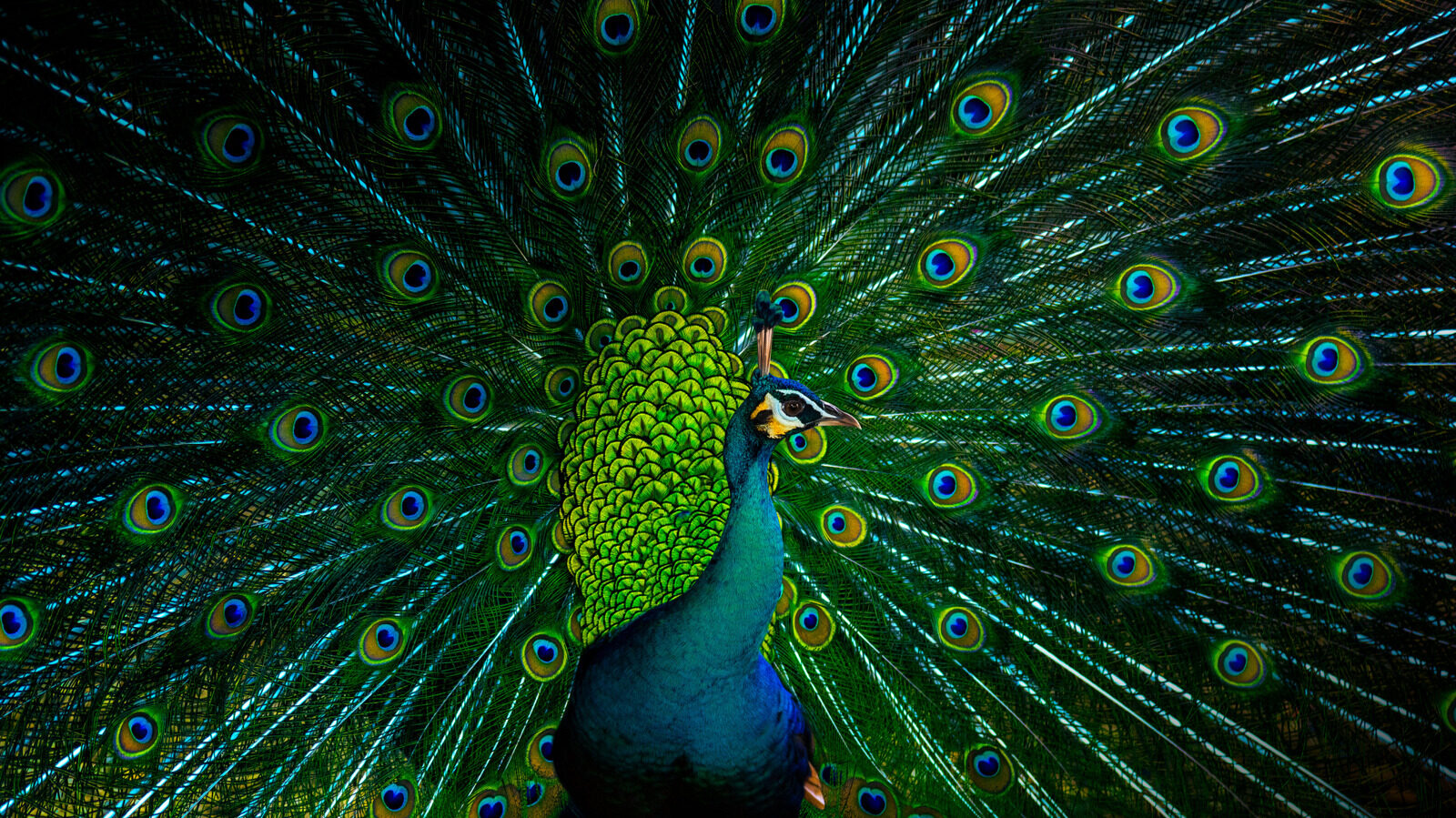
For example, male peacocks boast stunning iridescent feathers, while their female counterparts, the peahens, are much more subdued. This striking contrast is not just about attraction; it plays a fundamental role in the survival and propagation of the species.
Why Do Male Birds Have More Colorful Plumage?
One of the most significant driving forces behind the colorful plumage of male birds is sexual selection. This concept, first introduced by Charles Darwin, posits that certain traits evolve because they offer advantages in courtship and reproduction. Male birds often develop elaborate features to impress females, and bright colors are a prime example of this. Here’s how it works:
- Sexual Selection: Females often prefer males with brighter colors, associating them with better genes.
- Resource Availability: Males with access to high-quality food sources can afford to develop and maintain bright plumage.
- Predator Avoidance: In some environments, brighter colors may signal to females that a male is capable of surviving predator encounters.
However, this vibrant display comes with its own set of challenges. Male birds must balance the need to attract mates with the risk of predation. Consequently, their colorful feathers can become a double-edged sword.
Why So Many Female Birds Look Drab
While male birds often flaunt brilliant colors, females usually display more subdued tones. This apparent lack of vibrancy serves a crucial purpose. Females are typically the primary caregivers, responsible for incubating eggs and protecting their young. Here are the main reasons behind their drab appearance:
- Camouflage: Drab colors help females blend into their environment, reducing the risk of predation.
- Incubation Duties: Being less visible is vital during the nesting period, where females must remain vigilant against threats.
- Risk Mitigation: By not attracting attention, females enhance the survival chances of their offspring.
This protective adaptation highlights the importance of survival over attraction in female birds. It is a reflection of their role in ensuring the continuity of the species.
Exceptions to the Rule: Colorful Female Birds
Interestingly, not all bird species conform to the traditional norms of color dimorphism. In certain species, females exhibit more vibrant plumage than their male counterparts. Examples include:
- Wilson’s Phalarope: In this species, females are colorful and vibrant, taking on the role of attracting mates.
- Button Quail: Similar to the phalarope, female button quails possess bright plumage to stand out during courtship.
In these species, males take on the incubation responsibilities, flipping the traditional roles of gender coloration. This showcases that plumage is not strictly tied to gender, but rather to the reproductive roles within specific species.
Monogamous Partnerships and Coloration
In species with monogamous pair bonds, where both parents share responsibilities, the coloration of males and females tends to be more similar. This phenomenon can be observed in species like:
- Bald Eagles: Both male and female eagles have similar plumage, allowing them to work together effectively.
- Swans: With their elegant and similar coloration, swans exemplify the beauty of partnership in parenting.
In such cases, the need for camouflage is balanced with the necessity of maintaining a strong partnership, illustrating the complexities of avian relationships.
The Evolutionary Significance of Bird Coloration
The colors of birds are not just a matter of aesthetics; they have profound implications for survival and reproduction. The evolutionary arms race between predators and prey has influenced how coloration is expressed across species. Key factors include:
- Environmental Adaptation: Colors may evolve in response to habitat changes, ensuring that birds can thrive in specific environments.
- Predator Dynamics: As new predators emerge, birds may adapt their coloration strategies to enhance survival.
- Social Structures: Social dynamics within species can influence coloration, leading to various adaptations based on mating systems.
Through this lens, we can appreciate the intricate relationship between color, behavior, and environment in the avian world. The dazzling hues of male birds and the subtle tones of females reflect a rich tapestry of evolutionary history.