

Dinosaurs have long captivated the human imagination, with the Tyrannosaurus rex often at the forefront of this fascination. Commonly depicted as a fearsome predator in films and media, the T. rex’s true appearance and characteristics are far more nuanced than most portrayals suggest. In this article, we delve into the truths behind what this iconic dinosaur really looked like and debunk some common misconceptions.
As paleontologists continue to uncover and study fossilized remains, our understanding of these magnificent creatures evolves. Not only do we gain insights into their physical appearance, but we also explore their behavior, habitat, and adaptations in ways that challenge long-standing myths.
The reality of the T. rex’s appearance
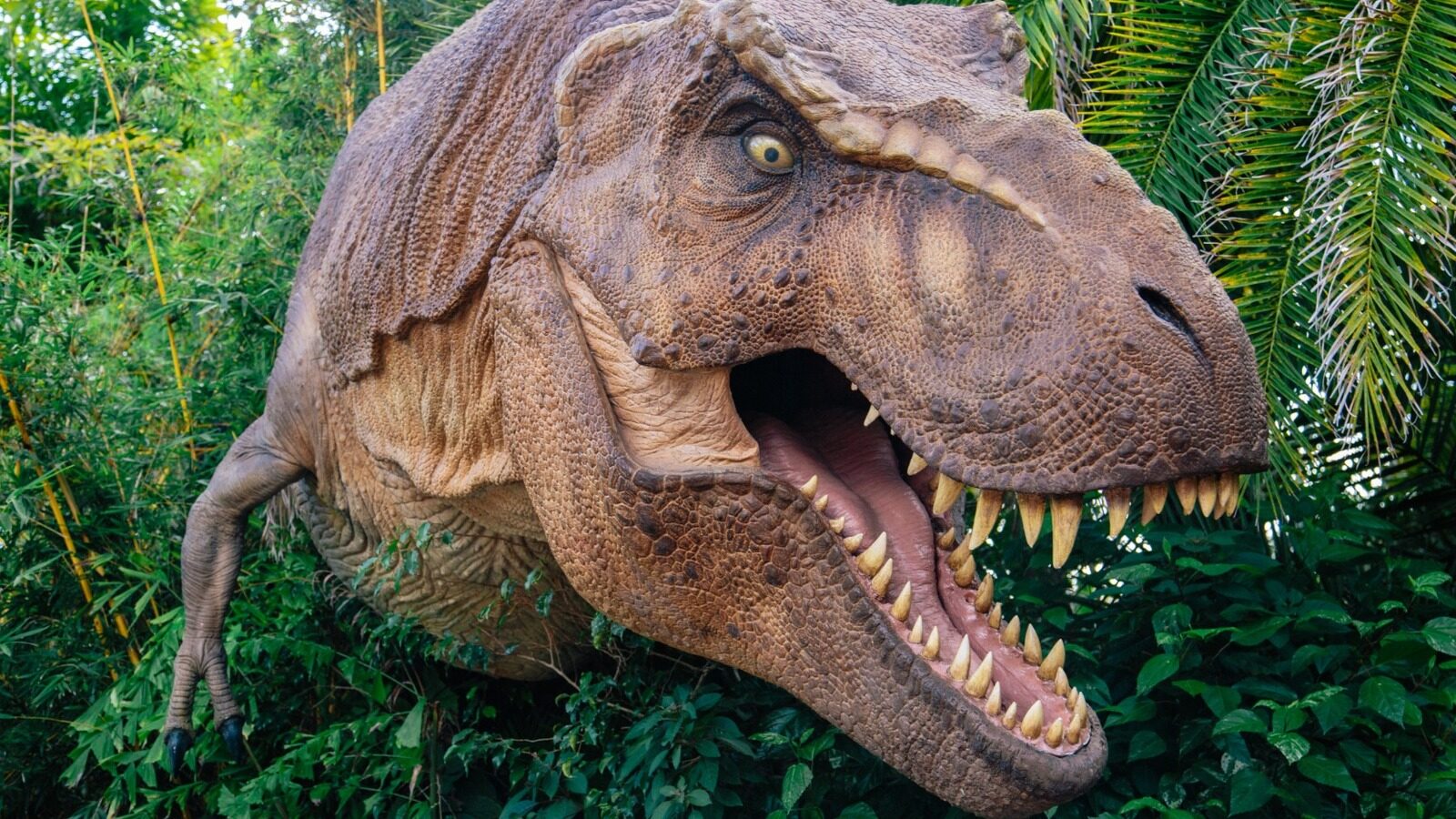
For decades, the visuals of the T. rex that we’ve seen in movies and documentaries have been largely influenced by artistic interpretation. While it’s widely accepted that the T. rex was a massive creature, the accuracy of its representation regarding color, texture, and even skin type is still being debated.
Recent paleontological studies have revealed that the T. rex likely exhibited a range of colors and patterns rather than the dull, monochrome shades typically depicted in media. Here are some key aspects of its appearance that have emerged through research:
- Coloration: Evidence suggests the T. rex might have had vibrant hues, including blacks, browns, and even bright oranges or yellows, particularly around its head.
- Feather-like structures: Fossils of its relatives indicate that T. rex could have had feather-like bristles along its head and back, providing insulation and possibly aiding in display.
- Skin texture: Contrary to the scaly skin often depicted, the T. rex may have had a more complex skin structure similar to that of birds.
Moreover, the discovery of melanin in dinosaur fossils has provided clues to their coloring, suggesting that many dinosaurs, including the T. rex, may have been more colorful than previously thought. This aligns them more closely with modern birds than reptiles.
Misconceptions about T. rex size and weight
While the cinematic portrayal of the T. rex emphasizes its enormity, the actual size and weight have been subjects of ongoing research. It’s theorized that most T. rex specimens averaged between 12 meters (39 feet) in length and weighed between 5 to 7 tons, although some individuals could have reached up to 13 meters (42 feet) and weighed approximately 8.5 tons.
Understanding the size of the T. rex is crucial as it impacts our perception of its behavior and ecological role. Here are some important considerations:
- Proportional limbs: The T. rex’s arms were relatively small compared to its gigantic body, leading scientists to speculate about their actual function, possibly for grasping or balance.
- Skull structure: Its large skull housed one of the most powerful bite forces among land animals, adapted for crushing bone and tearing flesh.
- Body mass distribution: The muscular build of the T. rex suggests it may have moved differently than previously imagined, relying on strength over speed.
Rethinking T. rex behavior and lifestyle
The behavioral traits attributed to the T. rex have also been subjects of revision. Many depictions showcase it as a relentless predator chasing down its prey. However, studies indicate that its method of hunting may have been more strategic.
Biomechanical analyses reveal that the T. rex could only achieve a running speed of about 10 mph, much slower than what many films portray. This slower pace suggests that the T. rex relied more on ambush tactics rather than sustained chases. Key aspects of T. rex behavior include:
- Stealth hunting: The T. rex may have used its environment for cover, relying on surprise to catch its prey.
- Social dynamics: Some evidence hints at social behavior, including pack hunting, although this remains a point of contention among paleontologists.
- Dietary preferences: Its diet likely consisted of large herbivores, with studies indicating that it could consume carrion as well.
How sound and communication played a role
The auditory capabilities of the T. rex are another fascinating aspect of its life. Contrary to what many assume, the sounds produced by this dinosaur may have been more complex and varied than simple roars.
Paleontologist research has suggested the T. rex likely made sounds similar to modern-day birds, combining the low-frequency rumbles of crocodiles with high-pitched calls akin to those of ostriches. This combination may have served critical functions, such as:
- Communication: Sounds could have been used for mating calls or signaling to others in a pack.
- Territorial displays: Vocalizations may have helped establish dominance over territory and deter rivals.
- Social bonding: Similar to birds, vocalizations could have played a role in social interactions among individuals.
Modern implications of T. rex research
The study of the T. rex extends beyond paleontology; it influences fields such as genetics, evolutionary biology, and even robotics. Insights gained from the T. rex’s structure and behavior are informing current research in various domains:
- Genetic studies: By analyzing the DNA of birds, scientists are uncovering evolutionary links to dinosaurs and the traits they might share.
- Biomechanics: The study of T. rex’s locomotion assists in developing more efficient robots and understanding movement mechanics in large animals.
- Conservation biology: Understanding the ecological role of apex predators like the T. rex can inform modern conservation strategies.
In summary, the T. rex remains a subject of intrigue and discovery. Each study sheds light on what this dinosaur truly was, reshaping our understanding of its appearance, behavior, and role in its ecosystem. As research continues, we can anticipate even more revelations about this iconic creature that once ruled the Earth.