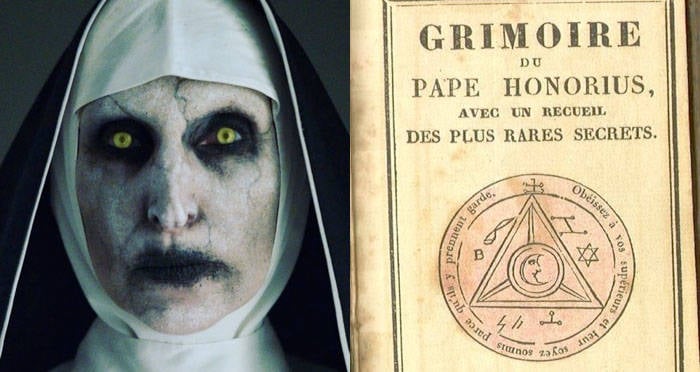

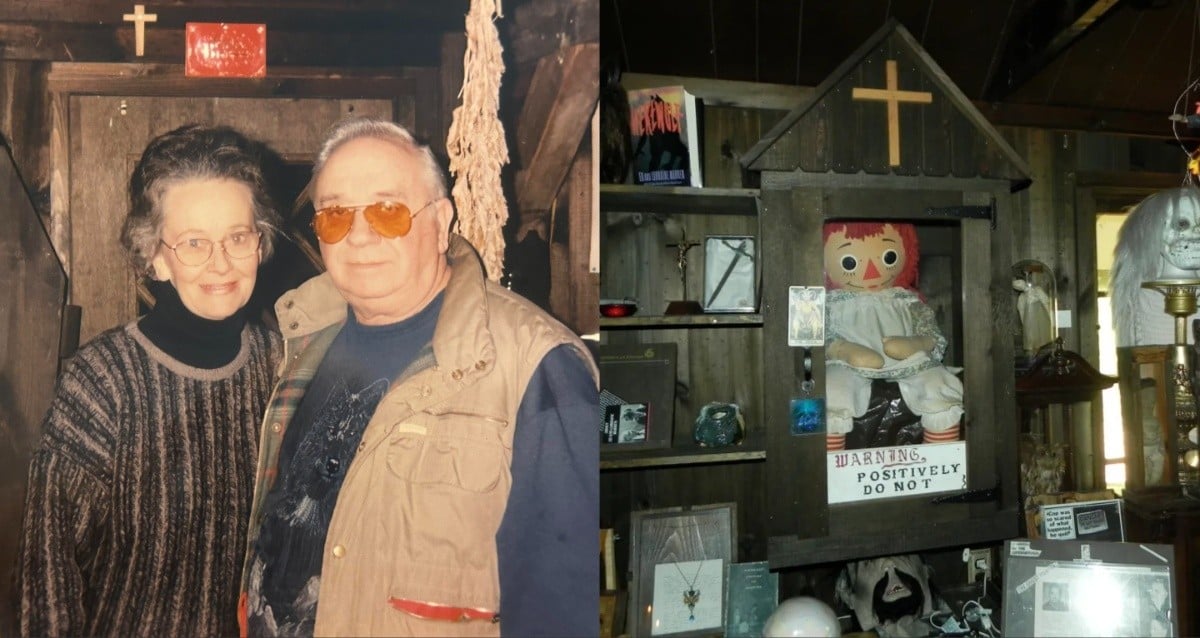

The Warren Occult Museum was a truly unique place. Nestled in Monroe, Connecticut, it housed a collection of allegedly haunted artifacts gathered by the famed paranormal investigators Ed and Lorraine Warren. These weren’t your typical museum pieces; each object held a story, a chilling tale whispered through generations or unearthed from forgotten corners of history. Visitors could walk among relics said to be possessed, cursed, or imbued with otherworldly energies.
From the iconic Annabelle doll that inspired the terrifying “Conjuring” franchise to a menacing satanic idol carved from dark wood, each artifact seemed to pulsate with a palpable sense of unease. Among these eerie objects was a particularly disturbing necklace known as the pearls of death. It was said to bring misfortune and even death to those who wore it – a chilling reminder that some treasures are best left undisturbed. The museum operated for decades, drawing in crowds eager to glimpse into the shadowy world of the paranormal.
But the Warrens’ legacy is far from simple. While their work captured the public imagination, it also sparked intense debate. Critics accused them of exaggerating or even fabricating tales for fame and profit, particularly during the height of the Satanic Panic. Whether you believe in their claims or not, there’s no denying that Ed and Lorraine Warren left an undeniable mark on popular culture. The artifacts they collected, including those housed in The Warren Collection, continue to fascinate and horrify, serving as a reminder of our enduring fascination with the unknown.
The Warren Occult Museum
The Warren Occult Museum was more than just a collection of dusty relics; it was a portal into the unsettling world conjured by Ed and Lorraine Warren. Housed in Monroe, Connecticut, the museum became a pilgrimage site for paranormal enthusiasts and skeptics alike. Visitors could wander through dimly lit rooms, each showcasing a curated collection of alleged cursed objects and haunted artifacts.
Imagine stepping inside a space where a possessed toy dinosaur from the infamous “Devil Made Me Do It” case sat perched on a shelf next to a human skull said to whisper secrets in the dead of night. A shadow doll adorned with bird feathers and a human tooth cast an eerie presence, while a satanic idol, carved from dark wood, seemed to pulse with an unsettling energy. The museum was designed to evoke a sense of unease, a feeling that you were stepping into a world where the veil between reality and the supernatural had thinned.
But beyond the macabre displays, the Warren Occult Museum held a certain allure. People were drawn to its dark stories, its whispered legends of hauntings and possessions. For some, it was a chance to confront their fears head-on, to experience the thrill of the unknown. For others, it was a glimpse into a world they could only imagine, a world where the ordinary blurred with the extraordinary.
Haunted Artifacts: Pearls Of Death And More
Among the chilling collection of haunted artifacts housed in the Warren Occult Museum, a few stood out as particularly notorious. The Annabelle doll, for instance, became iconic after inspiring the terrifying “Conjuring” franchise, captivating audiences with its menacing presence and tales of paranormal activity. Then there was the possessed toy dinosaur from the infamous “Devil Made Me Do It” case, said to have influenced a man to commit violence while under its sinister influence. Each artifact carried its own weight of chilling whispers and unsettling legends.
But one piece truly captured the imagination – the pearls of death. This cursed necklace, crafted from dark stones that seemed to absorb the light, was said to bring misfortune and even death to those who dared to wear it. The Warrens claimed to have witnessed firsthand the necklace’s dark power, recounting stories of unexplained illnesses and tragic events linked to its possession. It served as a chilling reminder that some treasures are best left undisturbed.
Beyond these infamous pieces, the museum showcased a diverse range of haunted artifacts – from shadow dolls adorned with human teeth to satanic idols carved from ancient wood. Each object held a story, a whisper of darkness waiting to be unleashed upon those brave (or foolish) enough to delve into its depths.
Ed And Lorraine Warren: Paranormal Investigators
At the heart of the Warren Occult Museum stood Ed and Lorraine Warren, the legendary paranormal investigators whose names became synonymous with the supernatural. Ed, a self-proclaimed demonologist, possessed an unwavering belief in the world beyond our senses, while Lorraine, gifted with clairvoyance and psychic abilities, served as his trusted partner. Together, they embarked on countless investigations, venturing into haunted houses, cursed locations, and even demonic possession cases.
Their work gained widespread attention, capturing the public imagination with chilling tales of hauntings, vengeful spirits, and demonic forces. They claimed to have encountered some of the most terrifying entities imaginable, documenting their experiences in books, newspaper articles, and appearances on television shows. The Warrens’ fame grew alongside their notoriety, attracting both fervent admirers and staunch critics.
But it was Ed and Lorraine Warren’s approach that truly set them apart. They weren’t just thrill-seekers or media personalities; they believed deeply in the power of helping those tormented by paranormal phenomena. They offered guidance and support to families struggling with possessions, hauntings, and other inexplicable occurrences. While their methods were often unconventional and their claims frequently disputed, there’s no denying that Ed and Lorraine Warren left a lasting impact on popular culture, shaping our understanding (or misunderstanding) of the supernatural world.
Controversy Surrounding The Warrens’ Legacy
Despite their widespread fame and devoted following, Ed and Lorraine Warren’s legacy remains deeply controversial. Critics have long accused them of exaggerating or even fabricating paranormal events for financial gain. The rise of the Satanic Panic in the 1980s fueled these accusations, as the Warrens were often called upon to investigate cases that seemed to feed into pre-existing fears and anxieties about satanic cults and ritualistic abuse. Some argue that their sensationalized accounts contributed to a climate of fear and paranoia, unjustly targeting individuals and communities.
Others criticize the Warrens’ methods, claiming they lacked scientific rigor and relied heavily on anecdotal evidence and personal beliefs. Their investigations often involved séances, spirit communication, and other practices that are difficult to verify and subject to individual interpretation. This lack of empirical support fuels skepticism about the authenticity of their claims. Furthermore, the Warrens’ willingness to charge fees for museum tours, book sales, and media appearances raises questions about whether their primary motivation was genuine paranormal research or commercial exploitation.
Ultimately, the controversy surrounding Ed and Lorraine Warren reflects a broader societal debate about the nature of truth and belief. Do we accept their stories as authentic accounts of the supernatural, or do we dismiss them as fabrications designed to entertain and exploit our fascination with the unknown? The answer, like many things in life, is likely somewhere in the gray area between these extremes.
The Enduring Impact of the Warren Collection
Even though the Warren Occult Museum closed its doors in 2019 following Lorraine Warren’s death, the impact of the artifacts it housed continues to resonate today. The Warren Collection, now largely preserved and potentially available for research or display, remains a source of fascination and debate. The chilling stories associated with each piece continue to circulate, reminding us of the enduring power of human fascination with the unknown.
The collection’s influence extends far beyond its physical presence. It has served as inspiration for countless books, films, television shows, and video games, solidifying Ed and Lorraine Warren’s place in popular culture. From the iconic Annabelle doll to the unsettling story of the pearls of death, these artifacts have tapped into our primal fears and anxieties, showcasing the enduring appeal of the macabre.
Ultimately, the legacy of the Warren Collection lies in its ability to spark conversation and contemplation about the nature of reality, belief, and the boundaries between the seen and unseen. Whether you embrace their stories as genuine accounts of paranormal phenomena or dismiss them as compelling fiction, there’s no denying that the Warrens and their collection have left an indelible mark on our collective imagination.