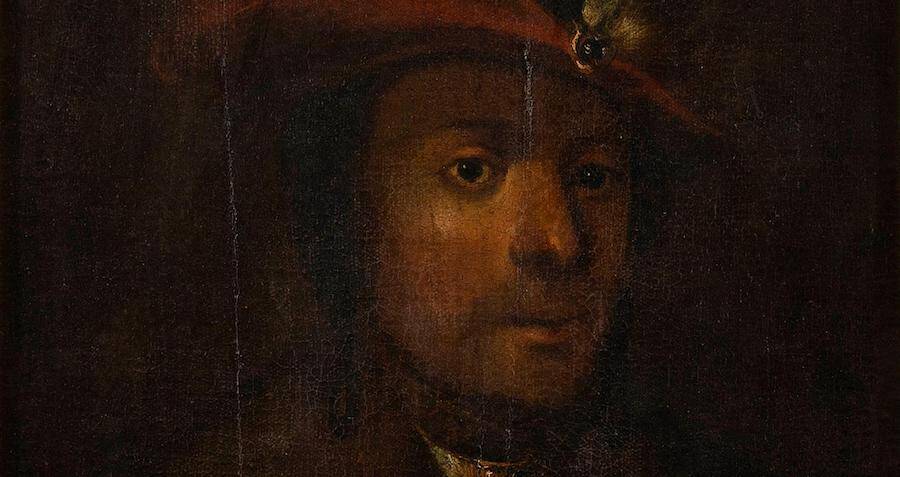

Thomas Rolfe stands as a fascinating figure in history, caught between two worlds and forever marked by his unique heritage. Born in 1615 to the renowned Pocahontas and English colonist John Rolfe, his arrival was seen by some as a symbol of peace between the English settlers and the Powhatan people. However, the circumstances surrounding his birth remain shrouded in ambiguity, with some accounts suggesting violence against Native Americans may have played a part.
This complex legacy would shape Thomas’s life profoundly. After his mother’s death in 1617, he was sent to England to live with his uncle, leaving behind the world he knew. Upon returning to Virginia as an adult, he inherited land from both sides of his family, offering him a chance to bridge the cultural divide and reconnect with his Powhatan relatives. Yet, Thomas ultimately chose to align himself with his English heritage, embracing the traditions and opportunities offered by his adopted society.
His decision was not without consequence. He served as a lieutenant in the English military, fighting against Native Americans, including those who might have been his own kin. This choice solidified his place within English society, marking a turning point in his life and legacy, one that continues to be debated and analyzed by historians today.
A Symbiotic Birth?
The birth of Thomas Rolfe in 1615 was presented as a beacon of hope, a symbol of peace between the English colonists and the Powhatan people. His parents, John Rolfe, an influential English tobacco planter, and Pocahontas, the daughter of the powerful Powhatan chief, were seen as pioneers forging a path toward understanding and coexistence.
However, beneath this idyllic narrative lies a more complex reality. While some accounts celebrate the birth as a testament to cultural diplomacy, others point to potential coercion and violence that may have contributed to it. The power dynamics at play between the English settlers and the Powhatan people were undeniably unequal, with the colonists wielding military force and political influence. This context raises questions about whether Pocahontas’s willingness to marry John Rolfe was truly a voluntary act of peace or a consequence of external pressures.
Ultimately, the true circumstances surrounding Thomas Rolfe’s birth remain shrouded in historical ambiguity.
Pocahontas’s Demise and Thomas’s Upbringing
Life took a drastic turn for young Thomas Rolfe in 1617 when his mother, Pocahontas, tragically passed away while traveling in England. The circumstances surrounding her death are still debated by historians, but it marked a profound loss for both the Powhatan people and Thomas himself. He was only two years old when he lost his mother, leaving him orphaned and facing an uncertain future.
His uncle, Thomas Rolfe, brought him to live with him in England, where he grew up surrounded by English customs and traditions. This upbringing undoubtedly shaped his worldview and instilled in him a sense of belonging within English society. Despite the distance from his Powhatan heritage, the legacy of his mother likely continued to influence his thoughts and feelings.
Returning to Virginia: Inheritance and Reconciliation
As an adult, Thomas Rolfe decided to return to Virginia, the land of his birth and his ancestors. This journey marked a significant turning point in his life, as he sought to reconnect with his roots and explore both sides of his heritage. Upon arriving in Virginia, he inherited land from both his English father and his Powhatan mother, offering him a tangible link to both worlds.
His return was an opportunity to bridge the cultural divide that had separated him from his Powhatan relatives for so long. He likely hoped to forge new relationships and perhaps even learn more about his mother’s culture and upbringing. However, navigating these complex connections would prove challenging, as societal pressures and personal choices ultimately shaped his path.
The Divide: Choosing Sides in a Shifting World
Despite his familial ties to both worlds, Thomas Rolfe ultimately chose to align himself with his English heritage. This decision wasn’t necessarily a rejection of his Powhatan roots, but rather a reflection of the societal pressures and opportunities that surrounded him in colonial Virginia.
As an Englishman, he was granted access to land ownership, political influence, and social standing, all things largely unavailable to Native Americans at the time. His choice to join the English military further solidified his place within English society, ultimately leading him to fight against Native American groups, including those who might have been related to him. This tragic conflict highlights the difficult choices individuals faced during this era of colonial expansion and cultural clash.
Legacy of a Divided Heritage
Thomas Rolfe’s life serves as a poignant reminder of the complexities and contradictions inherent in colonial history. He embodied a divided heritage, caught between the cultures of his English father and his Powhatan mother, a legacy that ultimately shaped his choices and defined his place within society.
While some might view his decision to align with his English heritage as a betrayal of his Powhatan roots, it’s important to recognize the immense pressures and limited opportunities faced by individuals during this turbulent period. Thomas Rolfe’s story compels us to consider the multifaceted nature of identity and the enduring impact of colonialism on both individual lives and cultural landscapes.