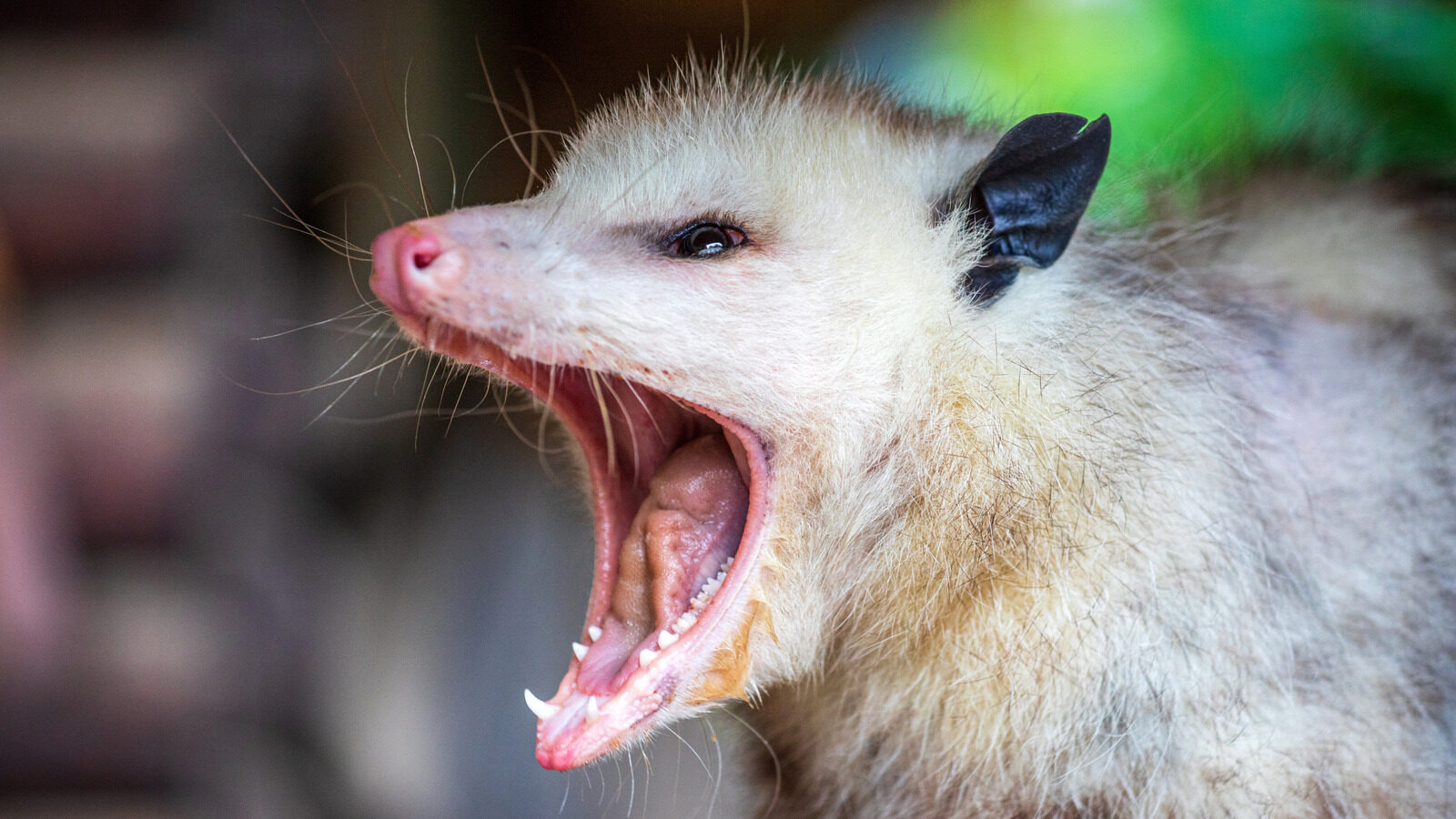

Have you ever come across an opossum that appears lifeless, lying still as if it has met its end? This peculiar behavior, known as thanatosis, captivates nature enthusiasts and raises questions about survival strategies in the animal kingdom. Let’s delve deeper into the fascinating world of opossums and explore the intriguing mechanisms behind their unusual defense tactics.
Understanding thanatosis: a survival instinct
Thanatosis, commonly referred to as “playing dead,” is a physiological response observed in various animal species, including the opossum. This response is not a conscious decision but an involuntary reaction triggered when the animal perceives an imminent threat. Unlike typical defensive behaviors such as fleeing or freezing, thanatosis represents a last resort for survival.
When faced with danger, opossums exhibit a dramatic physiological response: their heart rate and respiratory rates decrease significantly. Research shows that during this state, opossums can experience:
- A heart rate reduction of up to 46%
- A respiratory rate decrease of around 30%
- Muscle rigidity and immobility
- Dropping bodily functions like saliva, urine, and feces
This lifelike appearance of death can confuse predators, often leading them to lose interest and abandon the hunt. It’s a unique adaptation that highlights the delicate balance between life and death in the natural world.
The role of fear in triggering thanatosis
The mechanism behind thanatosis is closely tied to the animal’s emotional state. When an opossum feels threatened, its brain activates a survival mode that triggers various physiological changes. This process is an intricate interplay of neural pathways that promote survival by minimizing the chance of predation.
In essence, thanatosis serves as a defense mechanism against predators that rely on motion to detect prey. By becoming immobile and exhibiting signs of death, opossums can effectively deceive their predators, allowing time for potential escape once the danger has passed.
Thanatosis affects more than just opossums
While opossums are the most famous practitioners of thanatosis, this fascinating behavior is not exclusive to them. Many other species have developed similar strategies to evade predation. Understanding these behaviors enriches our knowledge of animal survival tactics.
Here are a few examples of other animals that exhibit thanatosis:
- Walking stick bugs: These insects can remain motionless to blend in with their surroundings.
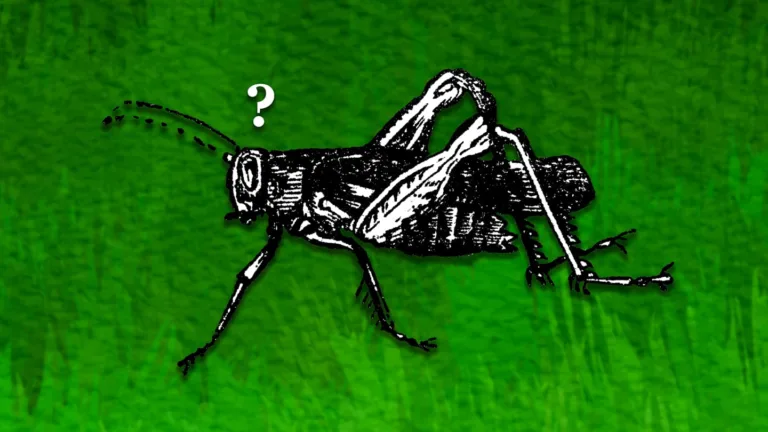
- Pygmy grasshoppers: They adopt a stiff pose to avoid being eaten by frogs.
- Domestic chickens: Known to play dead when threatened.
- Various bird species: Some birds feign death to escape predators.
- Several rabbit species: They can play dead to avoid detection.
- Eastern hognose snakes: These snakes will flip onto their backs and roll around to mimic death.
Each of these animals employs thanatosis as a survival strategy, illustrating the diverse adaptations found in nature. This defense mechanism showcases the intricate ways in which animals interact with their environments and adapt to threats.
Physiological mechanisms behind the freeze response
At the heart of thanatosis lies a complex physiological process. When an opossum or similar animal perceives a threat, its body undergoes several changes:
- Nervous system activation: The autonomic nervous system kicks in, leading to a decrease in heart rate and respiration.
- Muscle tension: Muscles become rigid, making movement difficult.
- Hormonal changes: Stress hormones flood the body, further preparing it for a fight-or-flight response.
Interestingly, even though the opossum appears unresponsive during thanatosis, it remains aware of its surroundings. Studies indicate that the animal’s vital signs fluctuate, suggesting a level of consciousness despite its frozen state. This duality highlights the complexity of the behavior and its effectiveness as a survival tactic.
Evolutionary significance of thanatosis
Thanatosis is more than just a quirky behavior; it has significant evolutionary implications. The ability to feign death can drastically improve an animal’s chances of survival in the wild. Here’s how it plays a vital role:
- Predator evasion: Animals that can convincingly play dead are more likely to survive encounters with predators.
- Resource conservation: Engaging in thanatosis can help conserve energy by avoiding unnecessary movement and stress.
- Genetic adaptation: Over time, the trait can become more prevalent in populations that benefit from this survival strategy.
Through natural selection, the trait of thanatosis has been preserved in various species, demonstrating the power of evolutionary processes in shaping survival strategies.
Conclusion: the complexity of survival strategies in the animal kingdom
Thanatosis is a remarkable example of how animals have evolved to navigate their environments and survive against the odds. Opossums, while often misunderstood, exemplify the intricate relationships between behavior, physiology, and survival instincts. As we continue to study these fascinating creatures and their adaptations, we gain a deeper appreciation for the complexities of life in the animal kingdom.
Understanding thanatosis and similar survival strategies not only enhances our knowledge of wildlife but also emphasizes the importance of preserving natural habitats where these animals thrive. Their unique adaptations remind us of the delicate balance of life and the intricate mechanisms that support it.