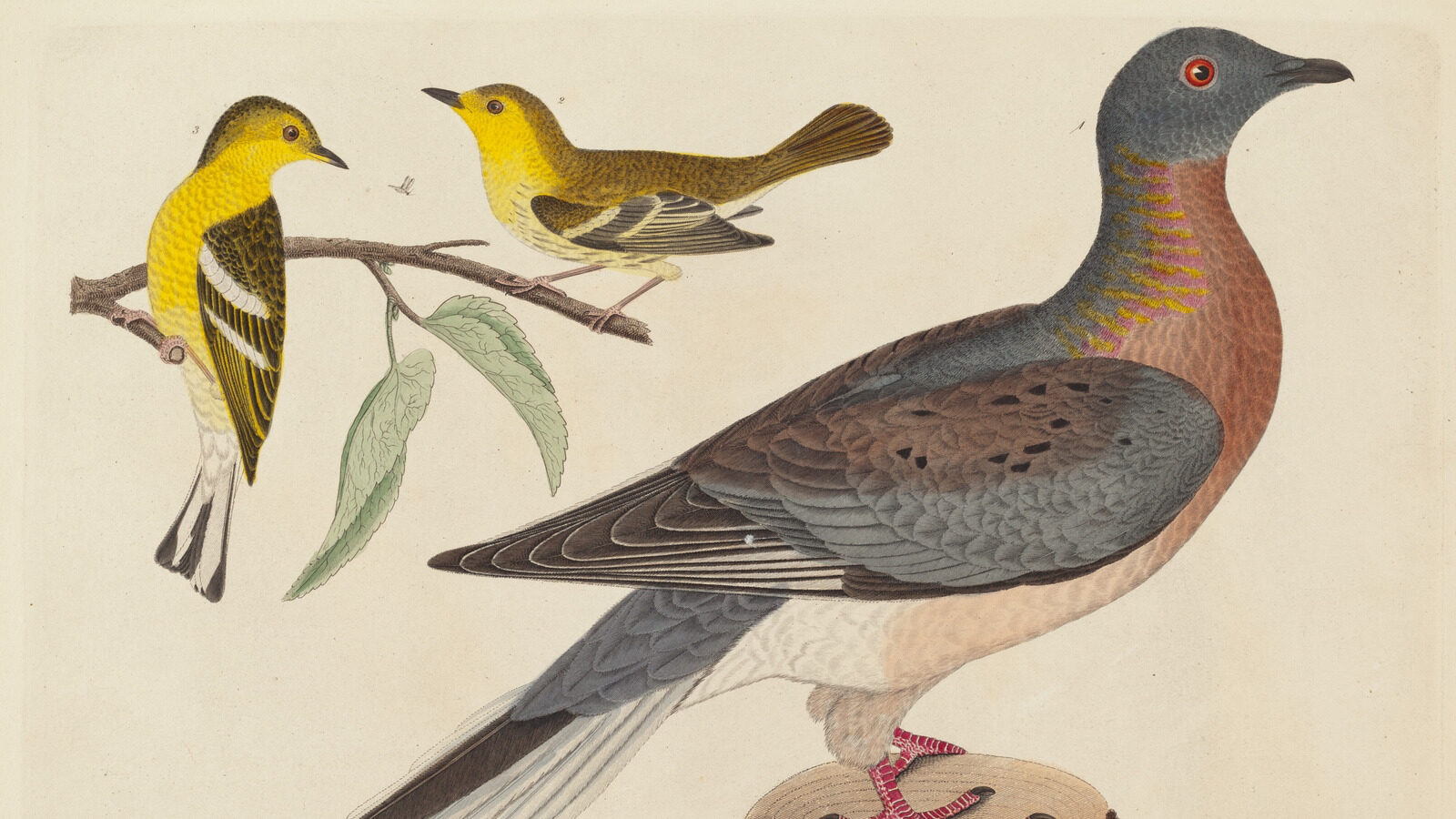

The story of the passenger pigeon is not just a tale of a species lost; it is a glaring reminder of the devastating impact of human activity on wildlife. Once numbering in the billions, these magnificent birds vanished in the blink of an eye, leading to a profound reckoning about our relationship with nature. Understanding the factors that led to their extinction unveils critical lessons about conservation, responsibility, and the irreversible consequences of neglecting our environment.
A perfect storm of human impact
The rapid decline of the passenger pigeon (Ectopistes migratorius) can be attributed to a confluence of human activities that overwhelmed the species’ natural resilience. Initially, when European settlers arrived in North America, they began clearing vast tracts of forest to establish farmland. This deforestation fundamentally altered the landscape that the passenger pigeons relied on for food and nesting.
The birds were drawn to the fields created by settlers, where they found food in abundance. However, their large flocks began to wreak havoc on crops, prompting farmers to see them as pests. This perception of the passenger pigeon as a nuisance led to widespread hunting for meat, which was a major source of protein for many settlers.
As the 19th century progressed, the situation worsened. The rise of commercial hunting introduced an unprecedented level of exploitation. Without any legal protections, passenger pigeon populations plummeted. Key factors included:
- Intensive hunting for meat, leading to millions being killed each year.
- Destruction of their forest habitats, which fragmented their populations.
- Weak regulations and enforcement regarding hunting practices.
- Media encouragement of hunting, as newspapers published articles promoting the shooting of pigeons.
- Changes in reproductive behavior due to reduced colony sizes, affecting their breeding success.
Notably, at one nesting site in Michigan in 1878, an astounding 50,000 pigeons were killed daily. The sheer scale of this destruction was staggering and ultimately unsustainable. The birds’ biology worked against them; they thrived in large groups because their reproductive behavior relied on communal nesting. As they were hunted down, their populations fragmented, reducing their ability to reproduce effectively.
The ecological role of the passenger pigeon
Passenger pigeons were not just a spectacle in the skies; they played a vital role in the ecosystems of North America. Their behavior and feeding habits contributed significantly to forest health. As they moved through their habitats, they acted as seed dispersers, helping various plant species to thrive and regenerate.
Moreover, their large flocks would create disturbances in the forest floor, which facilitated the growth of new vegetation. This dynamic created a balanced ecosystem where multiple species coexisted and flourished. The loss of the passenger pigeon has left an ecological void, impacting not only flora but also fauna that relied on the pigeons for food or habitat stability.
How passenger pigeons inspired a movement
The death of Martha, the last known passenger pigeon, in 1914, marked a significant moment in history, symbolizing the extinction of a species that had once filled the skies. This event prompted a profound cultural and ecological introspection. The realization that human actions could lead to such irreversible consequences ignited a conservation movement, fostering the development of essential wildlife protection laws.
Legislation like the Lacey Act and the Weeks-McLean Act, followed by the Migratory Bird Treaty Act of 1918, emerged directly in response to the passenger pigeon’s tragic fate. These laws aimed to regulate hunting, protect migratory birds, and promote conservation efforts. The story of the passenger pigeon served as a cautionary tale, influencing modern conservation practices and strategies.
Modern implications of extinction
The loss of the passenger pigeon resonates today in discussions about biodiversity and conservation. As we face a new era of mass extinctions due to habitat destruction, climate change, and overexploitation, the story of this once-abundant bird stands as a testament to the fragility of ecosystems. It raises critical questions regarding our responsibility toward nature and the urgent need for effective conservation measures.
Conservationists now draw inspiration from the passenger pigeon’s story to advocate for the protection of endangered species and habitats. Successful recovery programs for other species, such as the American bison and the California condor, illustrate the potential for redemption when proactive measures are taken. These efforts underscore the importance of learning from past mistakes and employing strategies that prioritize ecological balance.
The quest for de-extinction
In recent years, advancements in genetic technology have opened up the possibility of de-extinction, raising ethical and practical questions about reviving lost species. Organizations like Revive & Restore are exploring techniques such as CRISPR gene-editing to potentially bring back the passenger pigeon or create a proxy species that could fulfill similar ecological roles.
Despite these advancements, such efforts are fraught with challenges. Reintroducing a species into an ecosystem that has drastically changed since its extinction requires careful planning and consideration of existing wildlife. The passenger pigeon may serve as a model for understanding the complexities of rewilding efforts.
Lessons learned from the passenger pigeon
The extinction of the passenger pigeon serves as a poignant reminder of the interconnectedness of life on Earth and the impacts of human activity. It teaches us the following invaluable lessons:
- Wildlife populations can be dramatically affected by human actions, often with irreversible consequences.
- Conservation requires proactive measures and legal frameworks to protect vulnerable species.
- Understanding the ecological roles of species is crucial for maintaining biodiversity.
- Technological advancements offer new avenues for conservation, but ethical considerations must guide their application.
- Public awareness and education are vital for fostering a culture of conservation and responsibility toward nature.
The passenger pigeon is more than just a historical footnote; it is a powerful symbol of what can happen when humanity fails to respect and protect the natural world. By reflecting on its story, we can strive to ensure that other species do not share the same fate.