
Twinkies have been a staple in American snack culture since their debut in the 1930s, capturing hearts and taste buds alike. However, the myth surrounding their everlasting shelf life often overshadows the actual science behind these iconic treats. Let’s delve into the truth about Twinkies, exploring their storied history, their actual longevity, and even how they can be used for educational purposes.
Understanding the Twinkie: A Brief History
Twinkies were first introduced in 1930 by James A. Dewar, a baker for the Continental Baking Company. Originally, they were filled with banana cream, but during World War II, due to banana shortages, the filling was changed to vanilla. This change coincided with the rise of Twinkies as a popular snack food that quickly became a cultural icon, featuring in movies, television, and even literature.
Over the decades, Twinkies faced numerous challenges, including various ownership changes and even a temporary discontinuation in 2012. After Hostess Brands filed for bankruptcy, the brand was bought by Apollo Global Management and Metropoulos & Co., leading to a revival in production. This journey reflects the resilience of the Twinkie brand, but many consumers are left wondering about the science behind its long shelf life.
The Myth of the Everlasting Twinkie
The belief that Twinkies can last forever has become a pop culture idea, often referenced in jokes about apocalyptic scenarios. The origin of this myth is somewhat murky, but it gained traction in the 1990s, particularly after comedian Jay Leno’s skits. Despite this perception, the truth is that Twinkies do not last indefinitely.
According to the current information from the manufacturer, Twinkies have a shelf life of approximately 45 days. Interestingly, this is an increase from the original recipe, which had a shorter lifespan. In an effort to modernize and extend their shelf life, the recipe was altered in 2012, just before the brand changed ownership. The methods used to preserve Twinkies include:
- Freezing products for extended freshness post-delivery.
- Revising ingredients to enhance longevity.
- Efficient packaging techniques that reduce exposure to air and moisture.
Despite these techniques, Twinkies are not immune to spoilage. Over time, they can dry out, change texture, and lose their flavor. Thus, while they may outlast many other snack cakes, they certainly have a definitive expiration date.
Science Experiments with Twinkies
Twinkies have not only captured our taste buds but also piqued the curiosity of scientists and educators. Their unique properties make them an interesting subject for various experiments, especially in classrooms. One notable case occurred in the 1970s when a science teacher, Roger Bennatti, conducted an experiment with his students to assess the preservation of a Twinkie over time.
In an interview, Bennatti recounted that the Twinkie, now over 40 years old, had become brittle and desiccated, yet it maintained its shape and showed no signs of mold. This prompted further interest in how Twinkies age, leading to intriguing findings from other individuals as well:
- Colin Purrington, a science enthusiast, discovered a box of Twinkies from 2012 in his basement. After a taste test, he described the flavor as reminiscent of “old sock,” illustrating how even if they don’t spoil in the traditional sense, they can become unappetizing.
- Another experiment showed how Twinkies can be used to study mold growth, making them ideal for science fair projects.
These experiments not only provide insight into food preservation but also engage students in the scientific method of observation and hypothesis testing.
Comparing Twinkies to Other Foods
When discussing the shelf life of Twinkies, it’s helpful to compare them to other common snack foods. Below is a table that outlines the shelf lives of various snacks:
| Snack | Shelf Life (Days) |
|---|---|
| Twinkies | 45 |
| Oreos | 60 |
| Potato Chips | 30 |
| Granola Bars | 6-12 months |
| Candy Bars | 6-12 months |
As seen in the table, Twinkies have a competitive shelf life compared to other popular snacks, but they are by no means eternal. Understanding these differences serves to debunk the myth and promote realistic expectations about food preservation.
The Cultural Impact of Twinkies
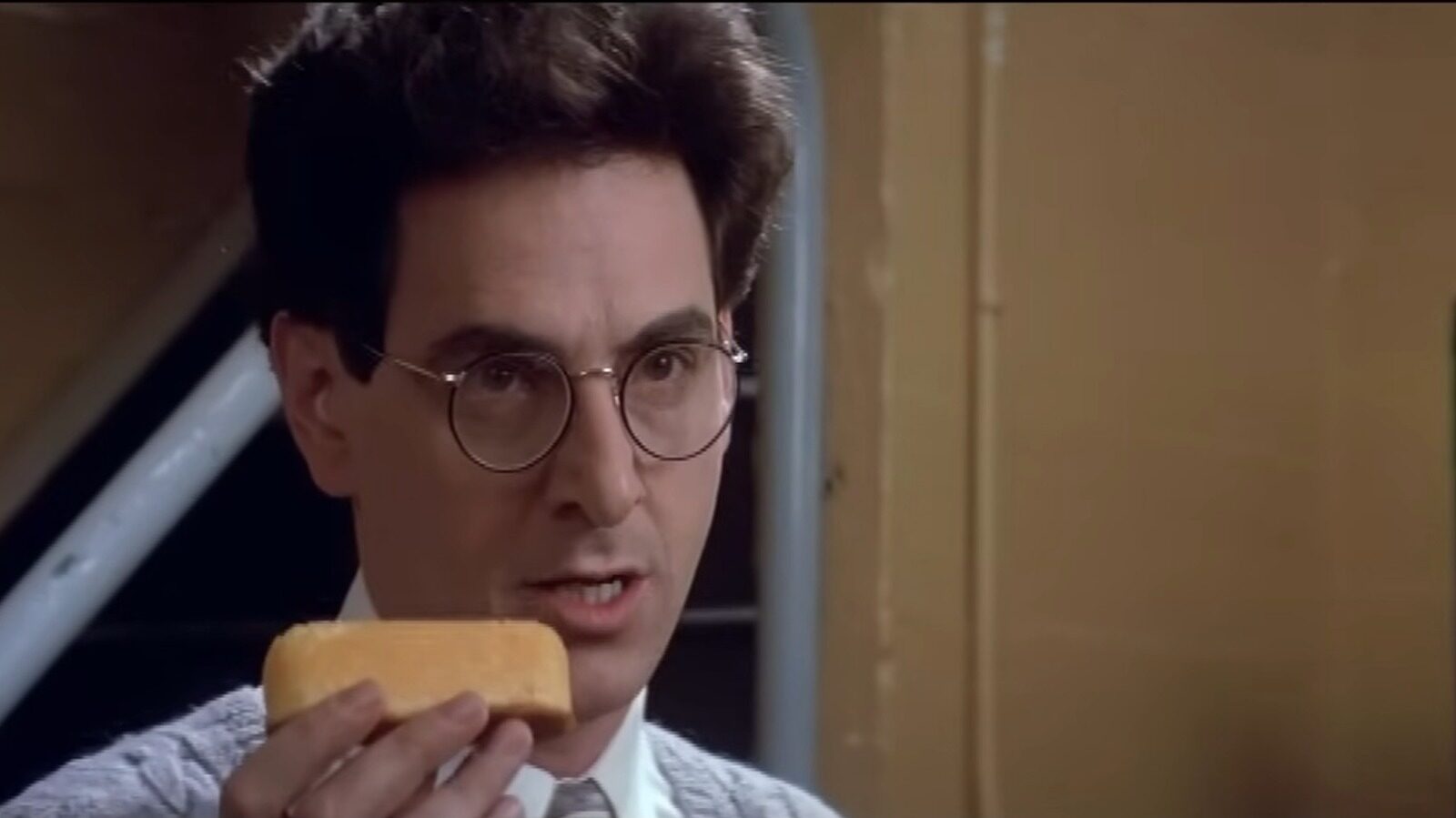
Twinkies have transcended the realm of mere snacks, embedding themselves in American culture. From references in films like “Ghostbusters” to their role in discussions about food sustainability, they serve as a lens through which we can explore wider societal issues. Their storied history reflects not just changing tastes but also economic trends, health concerns, and consumer behavior.
Additionally, Twinkies have become symbols of nostalgia for many consumers, evoking childhood memories and simpler times. This cultural significance contributes to their lasting popularity, regardless of the debates surrounding health and nutrition.
Conclusion: The Truth About Twinkies and Their Longevity
In summary, while Twinkies may not last forever, their impressive shelf life and storied history make them an enduring symbol of American snack culture. By understanding the science behind their preservation, we can appreciate these treats not just for their taste, but also for the fascinating history and mythology surrounding them. As we continue to explore food science, Twinkies will undoubtedly remain a favorite experimental subject, bridging the gap between culinary enjoyment and educational inquiry.