Considering the potential catastrophes our planet faces can be daunting, yet it’s a reality that many of us must confront. As climate change escalates and other threats loom, understanding these issues is essential for our survival. One innovative approach to raising awareness is through cinema, where films like “Don’t Look Up” have begun to reflect our real-world dilemmas.
In this context, the insights from renowned science communicator Bill Nye highlight the urgent conversations we need to have about global challenges. His evaluation of disaster-themed movies provides a lens through which we can better grasp the gravity of these issues.
Bill Nye praises a Netflix disaster movie for its realism
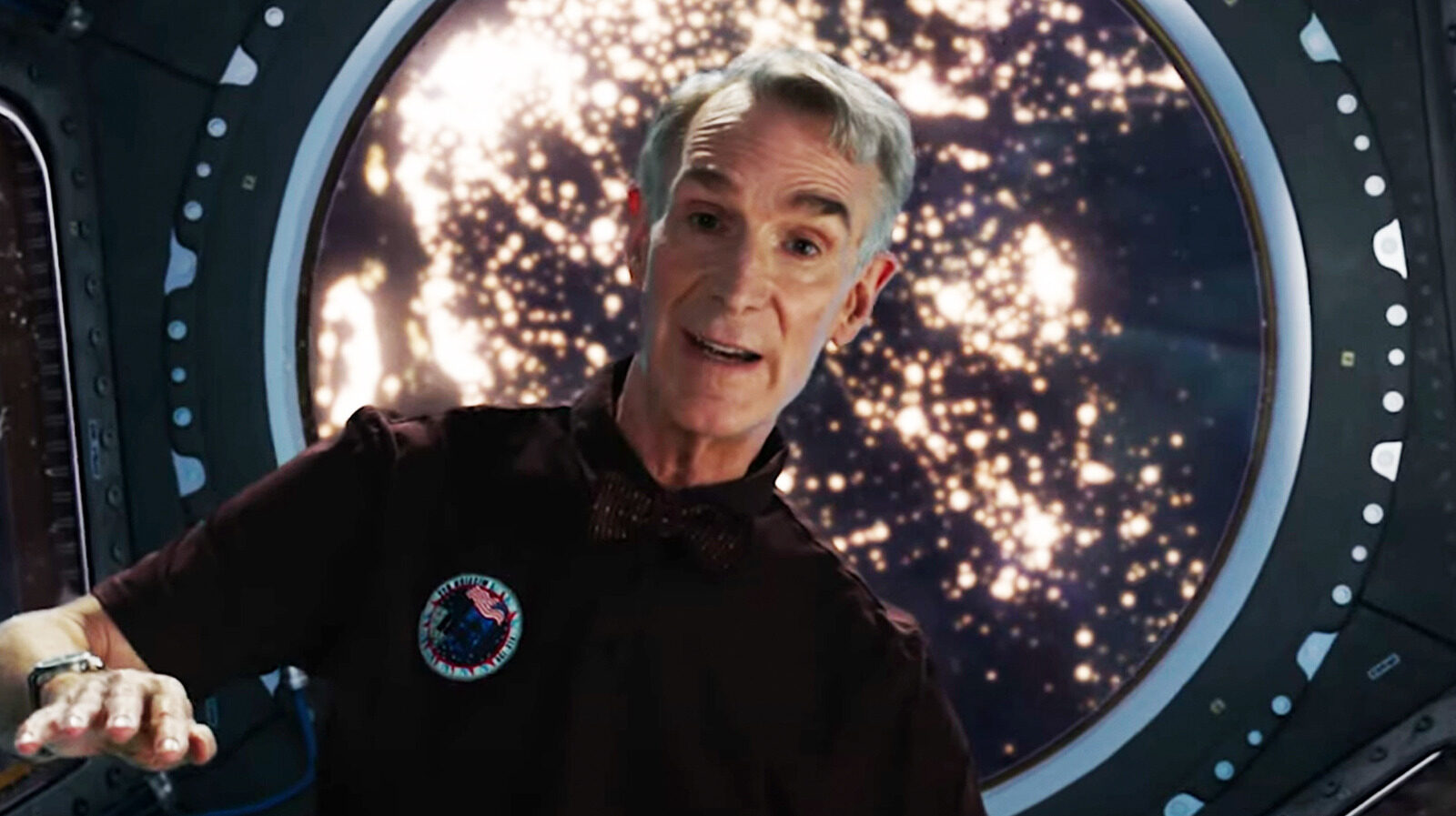
In 2022, Bill Nye debuted “The End is Nye,” a docuseries that delves into the various catastrophic events that could threaten our planet. Known for his engaging style in “Bill Nye the Science Guy,” Nye has been a pivotal figure in making science accessible and comprehensible for the public. His latest project aims to demystify potential apocalyptic scenarios.
During promotional interviews, Nye did not shy away from discussing films that he felt accurately depicted the challenges we face. He specifically highlighted the Netflix film “Don’t Look Up”, which he described as a “painfully” accurate representation of the frustrations encountered by climate scientists. This black comedy, directed by Adam McKay and featuring stars like Leonardo DiCaprio and Jennifer Lawrence, centers on astronomers who discover a comet on a collision course with Earth.
As the narrative unfolds, their attempts to alert the world about the impending disaster are met with skepticism and indifference. This allegorical representation of society’s dismissal of scientific warnings resonated deeply with Nye. He stated, “The film is preaching to the choir,” suggesting that while the message is clear, it might not reach those who truly need to hear it—the skeptics.
The relevance of “Don’t Look Up” in today’s society
The film’s depiction of widespread apathy towards an existential threat is not mere fiction; it mirrors real-life attitudes toward climate change. Key elements of the plot—such as government inaction and media distractions—serve to underline how society often prioritizes short-term interests over long-term survival. Nye’s reflections on this aspect of the film highlight a disturbing truth: many people remain oblivious to the climate crisis.
Some critical themes presented in “Don’t Look Up” include:
- Indifference of political leaders towards scientific evidence.
- Media sensationalism overshadowing genuine issues.
- The struggle of scientists to convey urgency in their findings.
- Public skepticism regarding expert opinions.
Nye’s commentary emphasizes that while the film entertains, it also serves as a cautionary tale—a reminder of the consequences of ignoring scientific advice in favor of complacency.
Expert input enhances the film’s credibility
Another notable aspect of “Don’t Look Up” is the involvement of scientists in its production. The film sought the expertise of Dr. Amy Mainzer, a professor and principal investigator for NASA’s Near-Earth Object Wide-field Infrared Survey Explorer. Her role ensured that the scientific elements were grounded in reality, enhancing the film’s authenticity.
Dr. Mainzer provided critical insights on the comet featured in the movie, which is inspired by a real-life celestial body measuring approximately 9 kilometers in diameter. Her contributions helped the visual effects team create realistic representations based on scientific calculations. According to her, “You get a pretty good look at it — for dinosaurs, that’s probably what it looked like,” reinforcing the film’s commitment to representing science accurately.
Understanding the real threats to Earth
While “Don’t Look Up” is a satirical take on impending doom, it also serves to shed light on genuine threats to our existence. Scientists have identified various risks, including:
- Climate change, leading to extreme weather events.
- Asteroid impacts, which could cause mass extinction.
- Environmental degradation and loss of biodiversity.
- Global pandemics triggered by zoonotic diseases.
These threats require urgent attention and action. The awareness raised by films like “Don’t Look Up” can play a pivotal role in mobilizing public discourse and prompting necessary changes in policy and behavior.
How cinema can spark conversations about climate change
Films have the unique ability to engage audiences and provoke thought about critical issues. By blending entertainment with education, productions like “Don’t Look Up” can stimulate discussions about the climate crisis and other existential threats.
As we navigate these complex topics, it’s important to consider how we can use storytelling to:
- Engage non-scientific audiences in discussions about climate action.
- Highlight the importance of scientific literacy in decision-making.
- Encourage collaboration between filmmakers and scientists for future projects.
Such collaborations can create impactful narratives that resonate with viewers and inspire them to take action, thereby bridging the gap between science and society.
The role of public figures in climate advocacy
Influential figures like Bill Nye play a crucial role in climate advocacy. With their platforms, they can raise awareness, educate the public, and drive engagement on pressing issues. Nye’s endorsement of films like “Don’t Look Up” underscores the significance of combining entertainment with activism.
By leveraging their reach, public figures can:
- Amplify the voices of scientists and researchers.
- Encourage civic participation in climate initiatives.
- Foster a culture of accountability among decision-makers.
As more individuals become aware of the realities depicted in films and documentaries, the potential for real-world change increases. Engaging storytelling can be the catalyst for inspiring action at both personal and institutional levels.