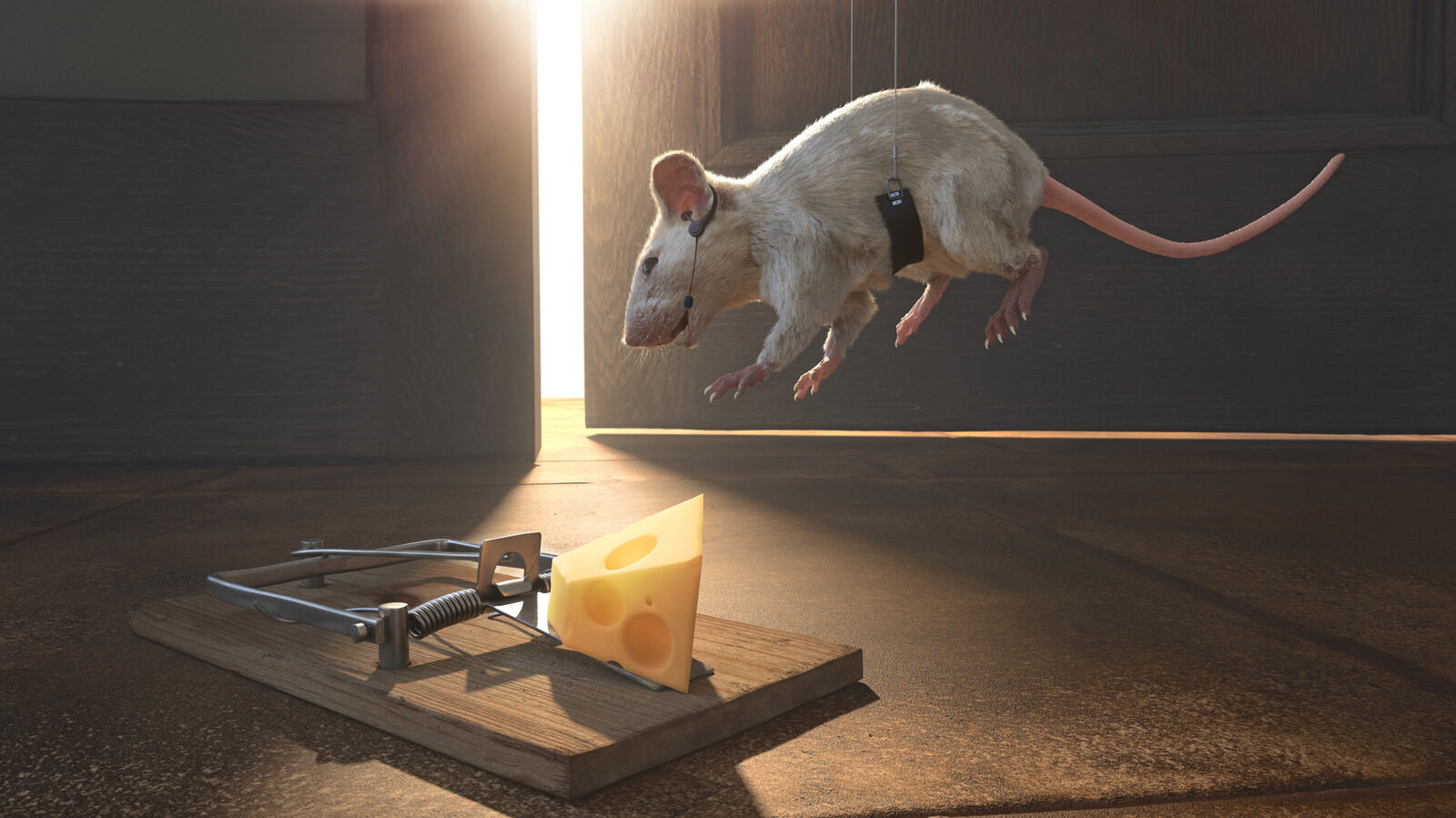
Mice are small, clever creatures that have a knack for eluding capture. If you’ve ever set traps in your home, you may have been puzzled by their ability to avoid them. Understanding the innate behaviors of mice and how to effectively set traps can significantly improve your chances of catching these little pests. In this article, we will explore why mice might be sidestepping your traps and provide practical tips to enhance your trapping efforts.
Why are mice avoiding your traps?
Mice possess remarkable senses, particularly their sense of smell, which plays a significant role in their survival. This heightened olfactory ability allows them to locate food sources and also helps them detect danger. When it comes to traps, this instinct can work against you. Here are some reasons why mice may be avoiding your traps:
- Human scent: Mice are incredibly sensitive to smells, and any human scent on traps can deter them. If you handle traps without gloves, they may pick up on your scent and avoid the area.
- Residual odors: If a trap has previously caught a mouse or has been touched by a mouse, the smell of its dead companions can alert others to the danger.
- Intuition and caution: Mice are naturally cautious creatures. They often approach food sources with extreme care and may avoid traps if they sense anything unusual.
- Diverse food sources: With many food options available in homes, mice may choose to bypass traps if they find more appealing or safer food sources nearby.
Understanding these factors can help you design a more effective trapping strategy, increasing your chances of success.
The natural behaviors of mice help them avoid traps
Aside from their acute sense of smell, mice exhibit behaviors that enhance their ability to evade traps. Here are some key traits and actions that contribute to their avoidance strategies:
- Wall-hugging: Mice often move along walls and corners, which makes them less likely to encounter traps placed in open areas. This behavior stems from their instinct to seek shelter and avoid predators.
- Social learning: Mice are social animals that learn from each other’s experiences. If one mouse avoids a trap, others may follow suit, sharing knowledge of danger within their community.
- Cautious feeding: Mice are known to nibble lightly at food sources. This behavior allows them to test for safety before committing, often causing traps not to trigger.
- Heightened alertness: Mice are naturally vigilant, especially when foraging for food. They can quickly escape if they sense a threat, making traps less effective.
By recognizing these natural tendencies, you can better adapt your trapping methods to account for their behavior.
Effective tips for setting and placing snap traps
To improve your success rate in trapping mice, consider the following practical tips:
- Select the right bait: Use highly attractive baits such as peanut butter, bacon, or chocolate. These foods are not only appealing but also have strong scents that can lure mice effectively.
- Minimize bait quantity: Instead of overloading the trap with bait, use small amounts. This approach prevents the bait from appearing too obvious, allowing mice to approach more cautiously.
- Optimal placement: Place traps along walls and in tight spaces where mice are likely to travel, such as near baseboards, behind appliances, or in dark corners.
- Regular monitoring: Check traps frequently and replace any caught mice immediately. This practice helps eliminate residual odors that might deter other mice from approaching.
- Use multiple traps: Set up several traps in close proximity to increase the likelihood that at least one will be triggered.
- Safety precautions: Ensure that traps are placed in locations out of reach of children and pets to prevent accidental injuries.
Implementing these strategies can significantly enhance your trapping effectiveness, helping you manage mouse populations more efficiently.
Understanding mouse behavior to enhance trapping success
In addition to practical tips for trapping, it’s essential to comprehend the underlying biology and psychology of mice. This understanding can provide insights into how to optimize your approach:
- Territorial instincts: Mice can be territorial, which means they may become cautious when entering unfamiliar areas. Setting traps in areas where you’ve seen droppings or signs of activity can improve chances of success.
- Feeding patterns: Observing when and where mice tend to feed can inform your trap placement. Mice are typically more active during dusk and dawn, so consider setting traps during these peak hours.
- Adjusting to changes: Mice are adaptable creatures. If you’ve been using the same method for a while, consider changing bait or trap placement to keep them guessing.
Adapting your methods based on their behavior not only increases your chances of trapping success but also helps you gain a deeper appreciation for these fascinating animals.
Common misconceptions about mouse traps
There are several myths surrounding mouse traps that can hinder effective pest control. Here are some common misconceptions to be aware of:
- All traps are equally effective: Different traps serve various purposes. While snap traps are quick and effective for many situations, live traps may be more appropriate in certain environments.
- More traps mean better results: Simply setting out more traps without strategic placement can lead to ineffective results. Focus on quality over quantity.
- Once a trap is set, it will work indefinitely: Traps need regular monitoring and maintenance. Old or dirty traps may not function properly, so it’s important to reset them as needed.
By debunking these myths, you can create a more informed approach to managing mouse populations in your home.