
Have you ever wondered why canned food containers are ribbed while soda cans are smooth? This seemingly simple design choice reveals fascinating insights into the science of food preservation and material engineering. Dive into the world of can design and discover how these structural differences impact the functionality and safety of the products they hold.
Understanding the origins of canned food technology
The story of canned food dates back to a time of military necessity. In the early 19th century, Napoleon Bonaparte sought a way to ensure that his troops had access to nutritious meals during extended campaigns. To encourage innovation, he offered a reward of 12,000 francs for anyone who could develop a method to preserve food without it spoiling or becoming infested by bacteria.
It wasn’t until 1809 that the challenge was met by French inventor Nicolas Appert, who devised a technique for sealing food in jars. Shortly thereafter, Englishman Peter Durand introduced the concept of using tin cans, which would become the standard for food preservation. The introduction of these cans revolutionized the food industry, allowing for long-term storage and transportation of perishable items.
The engineering behind can design
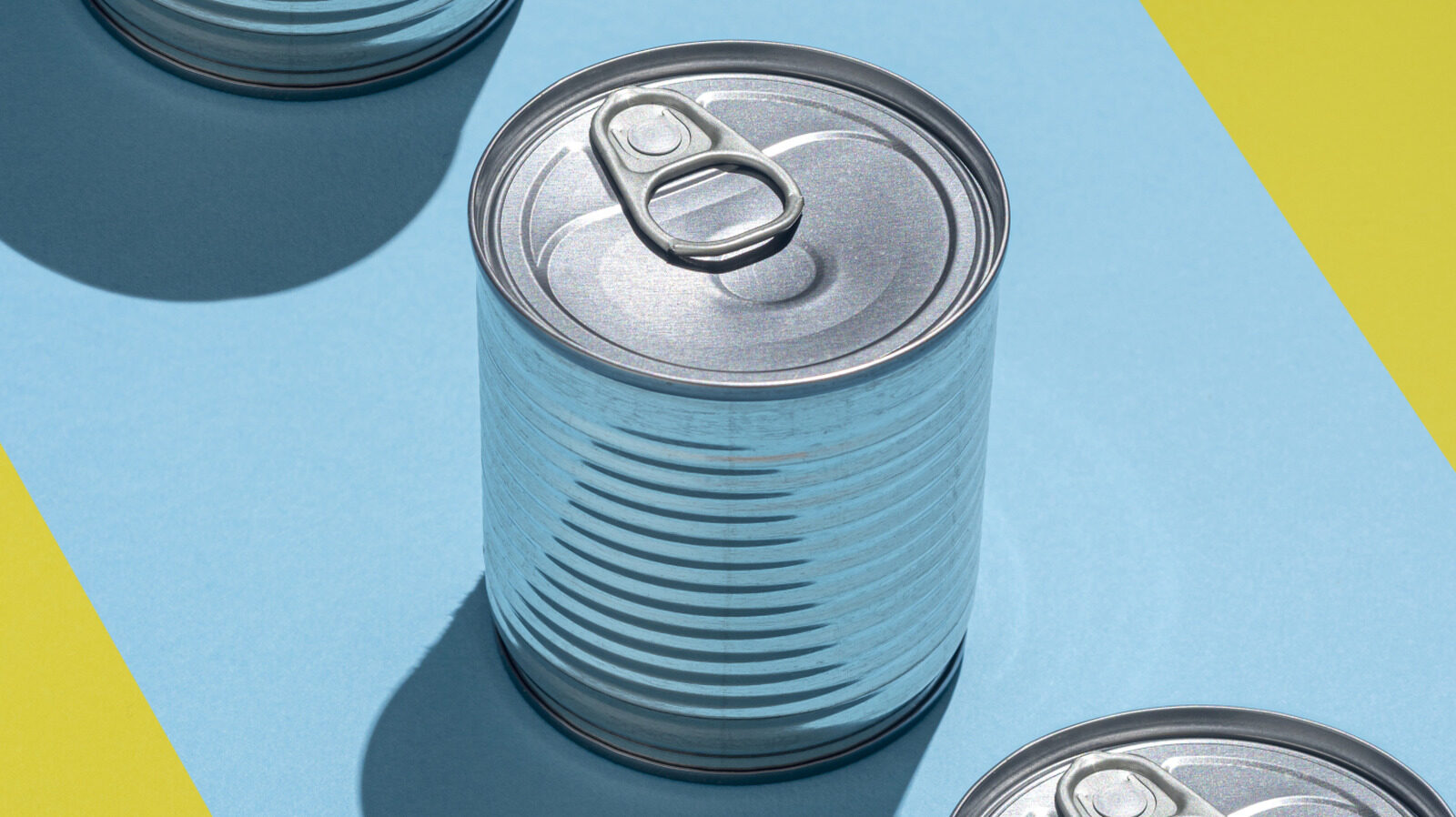
At first glance, the ribs found on food cans may seem like a minor design feature. However, they serve several essential purposes:
- Structural integrity: The ribs provide much-needed reinforcement to withstand the intense heat and pressure during the canning process.
- Resistance to denting: The crinkled design helps the cans resist damage during transport and storage, ensuring the contents remain safe and intact.
- Stackability: Ribbed cans can be stacked without the risk of crumpling under their weight, leading to efficient storage.
Without these ribs, can manufacturing would be far more challenging, and the risk of food spoilage would increase significantly. The ribbed design is akin to the folds in corrugated cardboard, which provides strength and rigidity.
Comparing food cans and soda cans
Food cans and soda cans are constructed from different materials and designed to serve distinct purposes. While food cans require ribs for structural support, soda cans are typically made of aluminum and designed without ribs. Here are some key differences:
- Material: Food cans are often made of tinplate, which requires reinforcement due to the canning process. In contrast, soda cans are primarily aluminum, which is lighter and has different pressure dynamics.
- Internal pressure: Carbonated beverages create significant internal pressure, which provides strength and stability to soda cans, making ribs unnecessary.
- Functionality: Food cans need to endure sterilization processes involving heat, while soda cans must maintain carbonation without leaking.
While food cans are robust and designed for durability, soda cans are engineered for lightweight convenience. Notably, the internal pressure in soda cans allows them to resist denting when full, but they crumple easily when empty, contrasting sharply with the sturdiness of an empty food can.
The role of ribs in food preservation
The ribbed design of food cans not only enhances structural integrity but also plays a critical role in food preservation. Here are some specific benefits:
- Seal integrity: The ribs help maintain a tight seal during the canning process, preventing the entry of harmful bacteria.
- Heat distribution: Ribs facilitate even heat distribution during sterilization, ensuring that the contents are adequately preserved.
- Extended shelf life: A well-sealed, ribbed can can significantly extend the shelf life of food, making it a crucial element in emergency preparedness and food storage.
These attributes make ribbed cans an essential component of the food industry, contributing to the safety and longevity of canned goods that consumers rely on.
Material advancements in can manufacturing
As technology evolves, so does the manufacturing process for cans. New materials and methods are being developed to enhance the functionality of both food and beverage containers. Some advancements include:
- Eco-friendly materials: Innovations in biodegradable and recyclable materials are being explored to reduce environmental impact.
- Improved coatings: New interior coatings can help prevent corrosion and preserve the taste of food, reducing the risk of contamination from the can itself.
- Smart packaging: Technologies that allow for monitoring the freshness of the contents are emerging, providing consumers with better information about the safety and usability of canned foods.
These advancements reflect a growing awareness of sustainability and consumer health, pushing the industry toward a more responsible future.
The future of canned food containers
As we look ahead, the design of canned food containers is likely to evolve further. With increasing demands for convenience and sustainability, manufacturers may explore:
- Alternative shapes: Innovations may lead to the creation of non-traditional can shapes that optimize storage and usability.
- Enhanced safety features: Development of cans with built-in sensors to detect spoilage could revolutionize food safety.
- Smart technological integration: Incorporating QR codes or NFC technology could provide consumers with detailed information about the product’s origin and nutritional content.
These possibilities highlight the dynamic nature of food packaging and the importance of continuous innovation in meeting consumer needs and preferences.