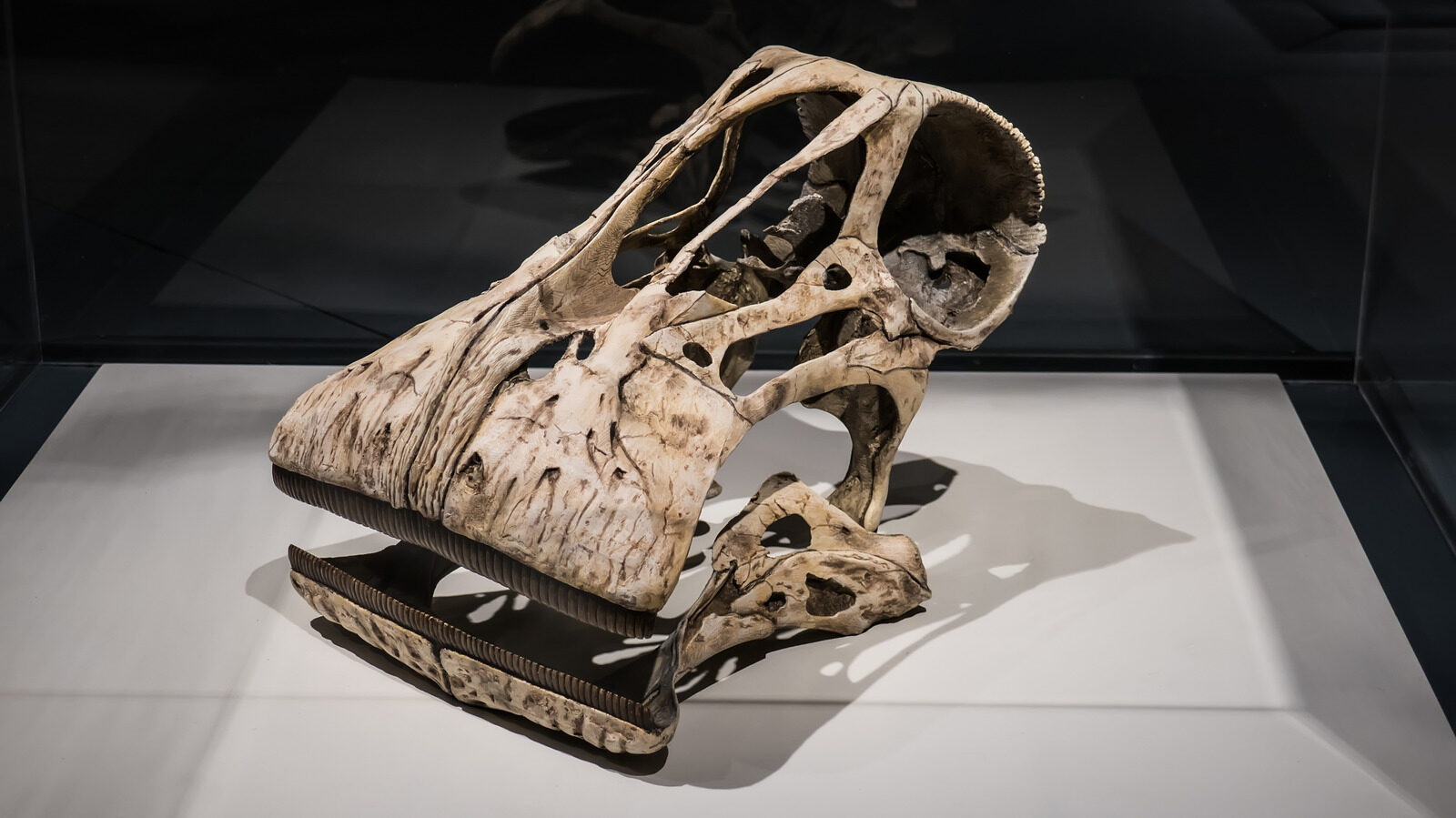

The discovery of extraordinary dinosaur species continually surprises both paleontologists and enthusiasts alike. Among these ancient giants, Nigersaurus taqueti stands out due to its remarkable dental features, which include an astonishing count of more than 500 teeth. This herbivorous dinosaur offers us a glimpse into a unique adaptation for survival in its prehistoric environment, helping to deepen our understanding of the diverse strategies employed by dinosaurs to thrive.
Exploring the world of Nigersaurus not only reveals its unusual anatomical traits but also sheds light on its habitat and lifestyle. Let’s delve into the fascinating aspects of this dinosaur, from its peculiar jaws to how it compares with other well-known sauropods.
The obscure dinosaur species that had 500 teeth
Nigersaurus, pronounced “nee-zhayr-sore-us,” is a fascinating dinosaur first identified in the 1990s, although its fossils date back to the 1960s. The name derives from Niger, the country where its remains were initially discovered. This dinosaur has captured the interest of scientists primarily due to its unique dental structure. Unlike most dinosaurs that possessed a few large teeth, Nigersaurus had an impressive array of more than 500 teeth, which were crucial for its grazing diet.
Initially, paleontologists struggled to classify Nigersaurus because its bones were part of a vast bonebed containing numerous specimens. It wasn’t until 30 years later that Dr. Paul Sereno and his team made a breakthrough by identifying the species. Upon examining the jawbone, they were astounded to find numerous hidden teeth revealed through advanced imaging techniques such as CT scans. This discovery provided not only insight into its feeding habits but also into the ecological niche it occupied during the Cretaceous period.
The one-of-a-kind jaws of Nigersaurus
The jaws of Nigersaurus are truly unique. Each jaw contained approximately 60 long, needlelike teeth, which were closely packed together. However, the most astonishing aspect was that each tooth had replacements positioned directly beneath it, forming vertical columns known as dental batteries. This meant that as Nigersaurus grazed on tough vegetation, worn teeth would be replaced swiftly by new ones, ensuring that the dinosaur could continue feeding without interruption.
Key features of Nigersaurus’ jaw include:
- Each dental battery contained between five to ten teeth.
- The replacement rate of teeth was extraordinarily high; estimates suggest that each tooth only lasted about two weeks.
- The arrangement of teeth helped Nigersaurus effectively graze on tough, abrasive plants.
These adaptations were vital, considering Nigersaurus primarily fed on prehistoric flora such as horsetail, which contains silica, a substance that wears down teeth rapidly. This dietary choice highlights the evolutionary pressures that shaped its distinct dental morphology, setting it apart from other herbivorous dinosaurs.
How Nigersaurus compares to other sauropods
As a member of the sauropod clade, Nigersaurus shares some characteristics with other long-necked dinosaurs like Brachiosaurus and Diplodocus. However, its unique adaptations distinguish it from its larger relatives. Nigersaurus measured around 30 feet in length and weighed approximately four tons, a size that, while impressive, was considerably smaller than many of its contemporaries.
Some comparative aspects include:
- Nigersaurus had a shorter neck, limiting its ability to reach high vegetation, which influenced its feeding strategy.
- The fragile nature of its bones, filled with air, made them lightweight but challenging for paleontologists to study.
- Unlike larger sauropods that grazed on treetops, Nigersaurus thrived on ground-level vegetation, adapting its jaw and teeth accordingly.
This distinct evolution is particularly intriguing considering that during the Cretaceous period, many sauropods were experiencing significant growth in size. The existence of Nigersaurus amidst these giants provides a window into the diversity of ecological niches occupied by dinosaurs. Furthermore, the lightweight structure of its skeleton allowed Nigersaurus to maintain mobility, showcasing an evolutionary balance between size and adaptability.
The ecological role of Nigersaurus
The ecological context of Nigersaurus is crucial for understanding how this dinosaur interacted with its environment. Living approximately 105 million years ago in what is now Niger, Nigersaurus inhabited a landscape that was vastly different from today. During this period, the climate was generally wetter, supporting a variety of plant life that included ferns and cycads.
Key points about its ecological role include:
- Nigersaurus likely played a significant role in shaping the vegetation of its habitat through its grazing habits.
- Its unique feeding adaptations allowed it to thrive in environments where competition for resources was intense.
- By consuming abrasive plants, Nigersaurus may have facilitated the growth of other plant species, thereby influencing the overall ecosystem.
The adaptability of Nigersaurus not only illustrates its survival strategies but also reflects the dynamic interactions among species in prehistoric ecosystems. Understanding these relationships provides critical insights into the evolutionary pressures that shaped the diverse life forms of the time.
Modern implications of studying Nigersaurus
Research on Nigersaurus carries significant implications for modern paleontology. The advanced imaging techniques used to study its jaw and teeth have opened new avenues for examining fossils that were previously difficult to analyze. This has led to a broader understanding of dinosaur anatomy and the evolutionary adaptations that allowed them to succeed in various environments.
Additionally, the findings from Nigersaurus’s unique dental structure contribute to discussions on:
- The development of dental features as adaptations to specific diets.
- The evolutionary paths taken by different dinosaur species in response to environmental changes.
- The significance of paleobiological studies in reconstructing ancient ecosystems.
As scientists continue to uncover the mysteries surrounding Nigersaurus and its contemporaries, we gain a richer understanding of the complexities of life on Earth during the age of dinosaurs. Each discovery not only enhances our knowledge of the past but also informs our understanding of evolution and adaptation in the natural world.