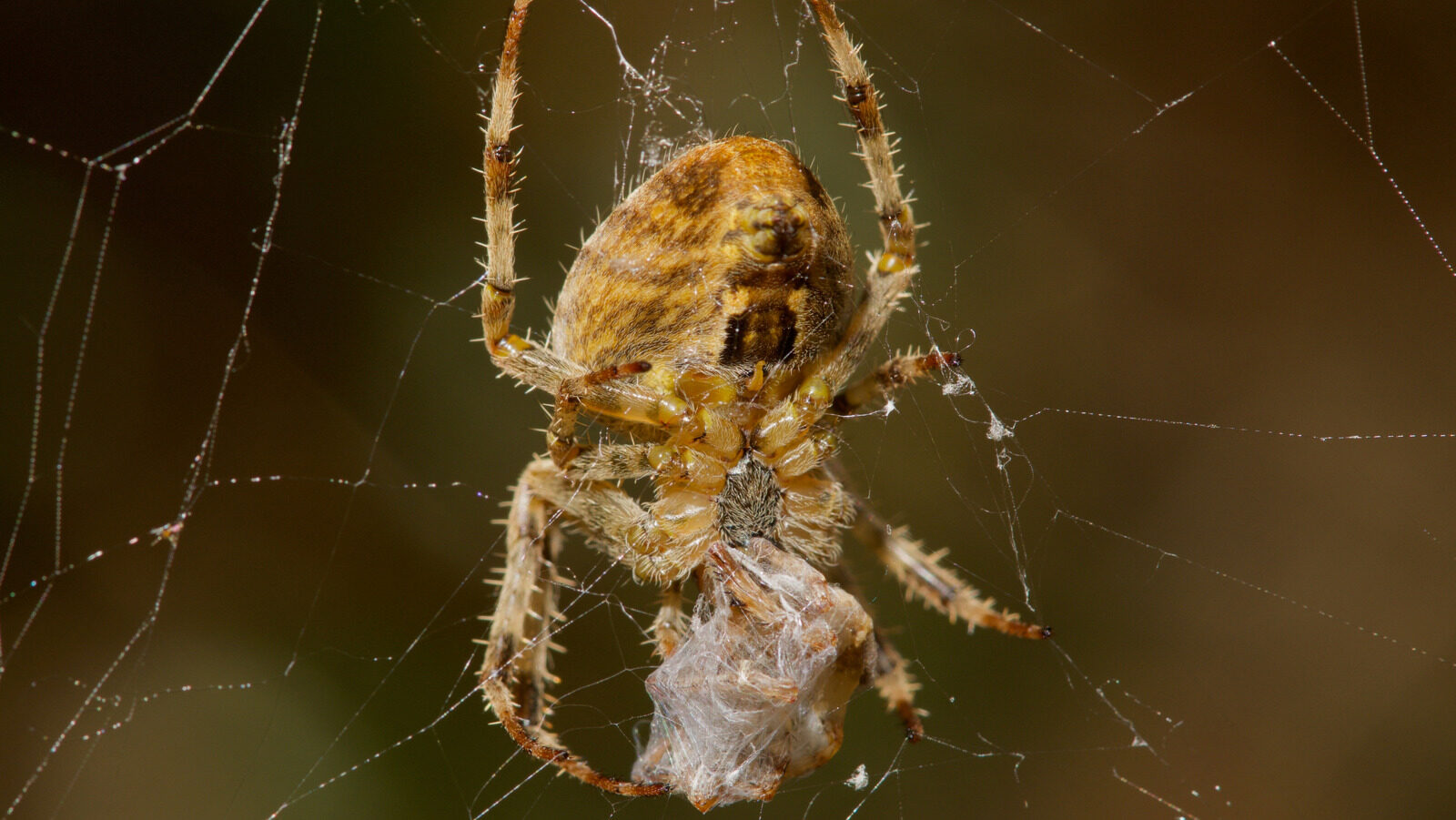
In the intricate web of life, survival often leads to unexpected behaviors, especially among predators. Recent studies have shown that even the most fearsome creatures may resort to cannibalism under certain pressures. One striking example of this phenomenon is found in wolf spiders, specifically in the changing climate of the Alaskan Arctic, where these arachnids have turned to eating their own. This article delves into the reasons behind this drastic shift in behavior and its broader implications.
Understanding the rise of cannibalism in wolf spiders
Cannibalism isn’t new in the animal kingdom; however, the instances of wolf spiders engaging in this behavior have increased alarmingly. Traditionally, these spiders are known for their hunting skills, preying on various insects rather than each other. The surge in cannibalistic behavior, particularly in the Alaskan Arctic, has sparked a wave of research aimed at uncovering the underlying causes.
According to a study published in the Journal of Animal Ecology, the lead researcher, Amanda Koltz, highlighted the significant environmental changes affecting these spiders. As wolf spiders are primarily ground-dwelling hunters, their behavior is directly influenced by temperature and habitat conditions. When food becomes scarce, these spiders may turn to cannibalism as a last resort.
The research indicates that when wolf spider populations rise, competition for limited resources intensifies. The study observed that in areas where spider populations were denser, instances of cannibalism were more frequent. This shift in diet may not only affect the individual spider’s health but could also have a cascading impact on the ecosystem.
Climate change as a contributing factor
The Alaskan Arctic study pointed to climate change as a significant driver behind the increased cannibalism among wolf spiders. The warming climate has led to longer summers, which, paradoxically, have resulted in larger spider populations. While logic might suggest that more spiders would lead to a thriving population, the reality is more complex.
- Increased Temperatures: Warmer summers allow for greater growth rates in wolf spiders, particularly in female specimens.
- Higher Reproductive Rates: Larger female spiders produce more offspring, but not all survive to adulthood.
- Resource Competition: With more spiders competing for limited food sources, cannibalism becomes a survival strategy.
Koltz noted that the findings of their field studies were corroborated by controlled experiments, which demonstrated that higher spider densities led to larger females and fewer juvenile spiders. This suggests a direct link between population density and the tendency for cannibalism.
Implications for spider health and ecosystem balance
The implications of increased cannibalism among wolf spiders extend beyond the individual spiders themselves. Cannibalism can have a detrimental impact on the health of the population as a whole. According to Koltz, spiders that primarily consume other wolf spiders do not live as long as those with a more varied diet.
This dietary shift raises concerns about the long-term sustainability of wolf spider populations and their role in the ecosystem. As these spiders play a crucial role in controlling insect populations, a decline in their health or numbers could lead to an imbalance, resulting in overpopulation of their prey and subsequent ecological consequences.
Broader trends in animal behavior due to environmental changes
The phenomenon observed in wolf spiders is not isolated. Across the globe, many animal species are adapting their behaviors in response to changing environmental conditions. This includes various forms of cannibalism observed in different species:
- Grizzly Bears: Known to consume their young under extreme stress or food scarcity.
- Praying Mantises: Females often eat their mates post-mating, a behavior linked to nutritional gain.
- Crab Spiders: Offspring may consume their mothers as a survival strategy in harsh conditions.
These changes highlight the adaptability of species but also raise concerns about the long-term viability of populations facing environmental stressors.
Conclusion: A warning sign for biodiversity
The rise of cannibalism among wolf spiders in the Arctic is a stark reminder of how sensitive ecosystems are to climatic changes. As species adapt to new realities, the consequences can ripple through the food web, affecting biodiversity and ecosystem health. Understanding these behaviors is crucial for conservation efforts and for predicting the future of wildlife as our planet continues to warm.