
Many of us have a natural aversion to spiders, often leading us to squash them at the first opportunity. However, this instinctive reaction can have surprising consequences. Understanding the reasons behind the presence of spiders in our homes and their role in the ecosystem might just change your mind about how to handle these creatures.
Before you reach for the nearest shoe or magazine, consider the unsettling reality that squashing a spider, particularly a female, could lead to a small swarm of baby spiders scurrying away. In this article, we will delve into the fascinating behaviors of spider species that care for their young, examine the ecological importance of spiders, and explore the best ways to coexist with these often-misunderstood arachnids.
Why you shouldn’t squash spiders in your home
When you spot a spider in your living space, your initial instinct may be to eliminate it. However, before taking that drastic measure, it’s essential to understand the ecological role of spiders. Many species are natural pest controllers, preying on insects that can be harmful to your home and garden.
- Pest control: Spiders consume a variety of pests, including flies, mosquitoes, and even cockroaches.
- Food source: They serve as a food source for birds and other wildlife, supporting the local ecosystem.
- Indicator species: The presence of spiders can indicate a healthy environment, as they thrive in balanced ecosystems.
Moreover, killing a spider can lead to unforeseen consequences, especially if it is a female carrying eggs. When squashed, the mother spider may release dozens or even hundreds of tiny spiderlings. This not only creates a more significant issue than the one you intended to eliminate but also raises concerns about potential infestations in your home.
Spider species that carry their eggs and spiderlings
While many spider species simply lay their eggs and abandon them, some species exhibit fascinating parental behaviors. A few notable examples include:
- Wolf spiders: Known for their unique behavior, female wolf spiders carry their egg sacs and later transport their spiderlings on their backs.
- Cellar spiders: Commonly known as daddy longlegs, they also carry their young on their bodies.
- Nursing web spiders: These spiders create webs to protect their young until they are ready to fend for themselves.
The female wolf spider’s maternal care is particularly notable. After mating, she seeks a secluded area to lay her eggs, carrying the egg sac with her spinnerets. Once the eggs hatch, instead of leaving, the spiderlings cling to their mother for protection and nourishment, often staying with her for several weeks.
The potential consequences of squashing a mother spider
Squashing a spider, especially a female, can lead to a chaotic scene. A well-documented incident in 2015 featured a video that went viral, showing a man in South Australia accidentally releasing hundreds of baby spiders when he squashed a wolf spider. This demonstration highlights the potential fallout of such actions.
According to arachnologist Christopher Buddle from McGill University, while the survival of these spiderlings is uncertain after their mother’s death, the immediate chaos is undeniable. The primary takeaway here? It’s better to err on the side of caution and avoid killing spiders in your home.
How to handle spiders in your home
If you encounter a spider in your home and are hesitant to kill it, there are several humane alternatives to consider:
- Catching and releasing: Use a cup and a piece of paper to trap the spider and then release it outside.
- Creating a barrier: Seal cracks and crevices in your home to prevent spiders from entering.
- Maintaining cleanliness: Regularly clean your home to reduce potential spider food sources, such as insects.
By taking these steps, you can coexist with spiders while minimizing their presence in your living space without resorting to violence.
The ecological importance of spiders
Spiders fulfill vital roles in our ecosystems, making them essential for maintaining balance. Here are a few points to consider:
- Natural pest control: Spiders help to manage insect populations, which can reduce the need for chemical pest control methods.
- Biodiversity: They contribute to the overall biodiversity, which is crucial for ecological health.
- Food webs: As both predators and prey, spiders are integral to food webs, providing sustenance for various animals.
By appreciating the ecological contributions of spiders, we can foster a more harmonious relationship with these creatures that often go unacknowledged.
Recognizing different spider species
Understanding the various species of spiders that may inhabit your home can help you make informed decisions about how to deal with them. Here are some common features to look for:
| Spider Species | Distinct Features | Behavior |
|---|---|---|
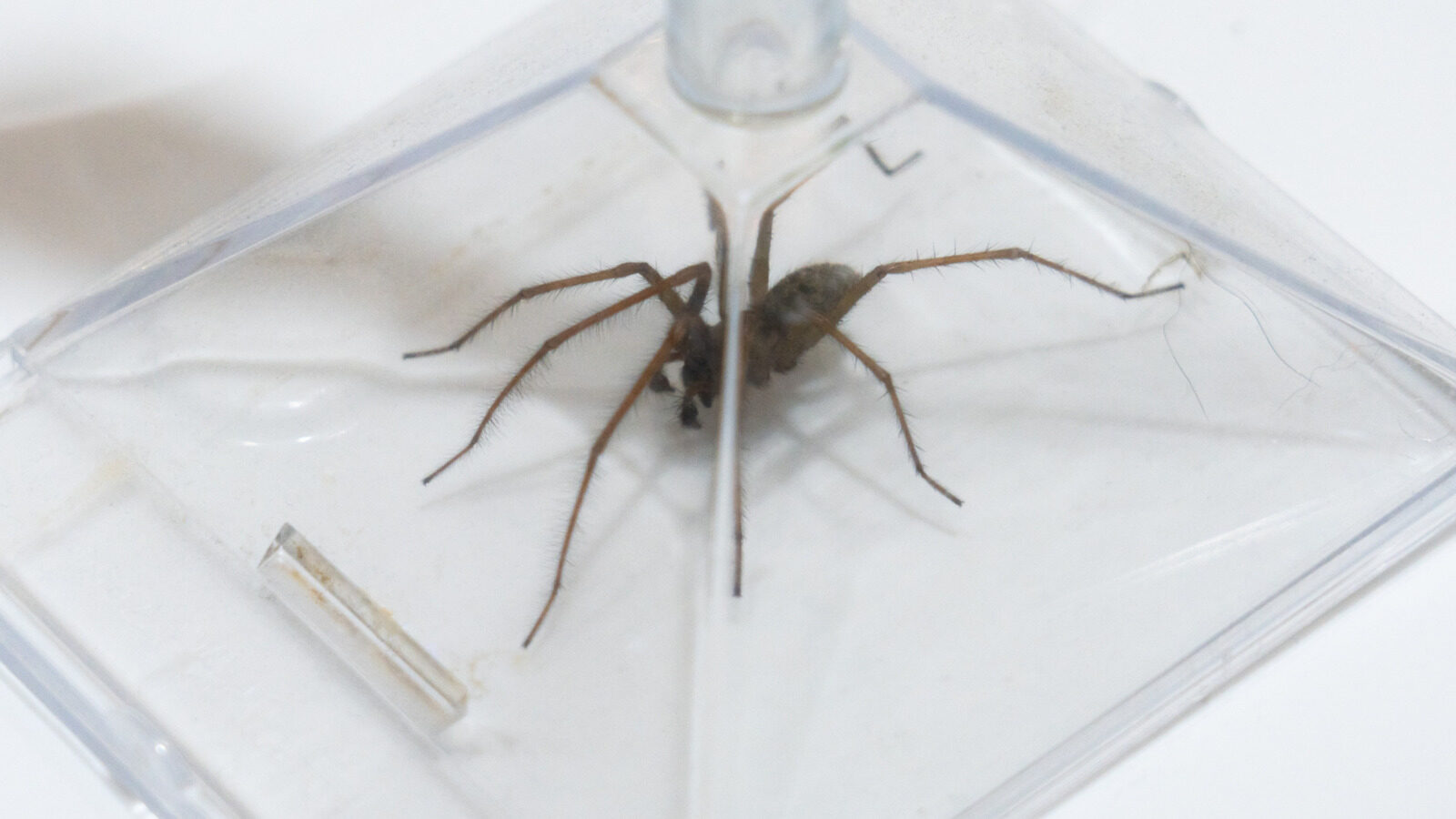
| Wolf Spider | Large, hairy body; carries young on its back | Hunts actively, not web-weaving |
| Cellar Spider (Daddy Longlegs) | Thin legs, small body; may create loose webs | Often found in dark, damp areas |
| Nursing Web Spider | Creates silken retreats for young | Protects young until they are mature |
By learning to identify these species, you can determine the best approach to managing their presence in your home.
Final thoughts on living with spiders
While spiders may instill fear in many, understanding their role in the ecosystem and their behaviors can provide a new perspective. Embracing a more compassionate and informed approach to these creatures can enhance our coexistence, transforming fear into appreciation for the natural world around us.