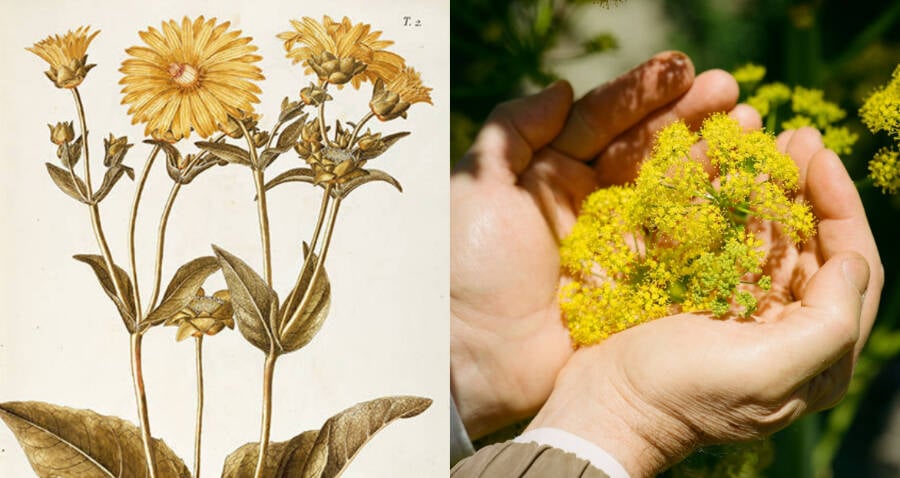

Silphium, a plant revered in ancient times for its medicinal properties, has captured the imaginations of historians and scientists alike. This enigmatic herb was highly sought after by the Romans, who utilized it as a potent contraceptive and remedy for a wide range of ailments. Its widespread use, however, ultimately led to overharvesting, culminating in its presumed extinction before the fall of the Roman Empire.
Legends abound regarding silphium’s demise, with some accounts suggesting that the last known specimen was presented to Emperor Nero, who consumed it. Ancient texts offer tantalizing glimpses into silphium’s purported effects, detailing its ability to induce abortions and prevent pregnancy. The plant’s efficacy stemmed from a complex array of bioactive compounds, which were believed to possess anti-inflammatory, antibacterial, and even anticancer properties.
Despite its disappearance from historical records, the legacy of silphium has endured, inspiring ongoing research into its potential rediscovery. In 2022, a Turkish scientist sparked global interest by claiming to have identified a roman plant, Ferula drudeana, as a possible modern-day equivalent. This intriguing discovery, based on similarities in morphology and reported biological effects, has ignited renewed hope that the secrets of this ancient herb may yet be unlocked.
The Lost Herb of Ancient Rome
The ancient Romans held silphium in incredibly high regard, treating it as a precious commodity with diverse applications. Its reputation as a highly effective contraceptive spread throughout the Roman world, making it a sought-after ingredient in medicinal preparations designed to regulate fertility. This widespread use underscores the plant’s significance in Roman society, highlighting its influence on both personal and public health practices.
Beyond contraception, silphium was also celebrated for its ability to alleviate a multitude of ailments. Ancient physicians prescribed it to treat everything from digestive disorders and wounds to respiratory infections and even migraines. Its versatility as a therapeutic agent solidified its place as a cornerstone of Roman medicine, contributing to its widespread popularity and ultimately leading to its tragic demise.
The Romans’ insatiable demand for silphium, coupled with the plant’s limited natural distribution, proved unsustainable in the long run. Overharvesting depleted wild populations, eventually driving silphium towards extinction before the fall of the Roman Empire. This historical tragedy serves as a stark reminder of the consequences of unchecked exploitation and the fragility of even the most revered natural resources.
Silphium’s Historical Uses and Demise
Silphium’s ancient history is a testament to its remarkable efficacy and widespread use in Roman society. Beyond its contraceptive properties, which made it highly sought after for family planning, silphium was revered as a potent remedy for a vast array of ailments. Ancient physicians utilized it to treat everything from digestive disorders and skin infections to respiratory issues and even headaches. Its versatility as a therapeutic agent solidified its place in Roman medical practices, cementing its status as a valuable natural resource.
The Romans’ appreciation for silphium extended beyond its medicinal applications. It was also highly valued as a culinary ingredient, often incorporated into dishes to enhance flavor and aroma. The plant’s unique taste and fragrance likely contributed to its popularity in both everyday meals and celebratory feasts. However, this widespread use ultimately proved to be its downfall.
The relentless demand for silphium, coupled with limited natural distribution, resulted in overharvesting that devastated wild populations. This unchecked exploitation led to the gradual decline and eventual extinction of this once-abundant plant before the fall of the Roman Empire. The tragic demise of silphium serves as a poignant reminder of the delicate balance between human needs and the preservation of natural resources.
Rediscovery in Turkey: Ferula Drudeana
In 2022, a glimmer of hope emerged for the rediscovery of silphium. A Turkish scientist, Dr. Mehmet Özdemir, claimed to have identified Ferula drudeana as a potential modern-day equivalent. This intriguing discovery sparked worldwide interest and ignited renewed hopes for unlocking the secrets of this ancient herb. Dr. Özdemir’s assertions were based on similarities in morphology, traditional uses reported by local populations, and biological activity studies.
Further analysis revealed that Ferula drudeana exhibits similar effects to silphium, particularly when administered to sheep and goats. These observations suggest that the plant may possess comparable contraceptive properties and other medicinal benefits attributed to its ancient counterpart. Scientists are now eagerly exploring the potential of Ferula drudeana to confirm these findings and shed light on the mechanisms behind its reported effects.
The rediscovery of a possible silphium equivalent holds immense promise for both scientific research and traditional medicine. If confirmed, it could revolutionize our understanding of ancient herbal remedies and offer valuable insights into the development of novel pharmaceuticals with potential applications in contraception, cancer treatment, and inflammation management.
Potential Medicinal Properties and Similarities
The potential medicinal properties of Ferula drudeana are a source of great interest and speculation. Preliminary studies suggest that this plant may possess a diverse range of bioactive compounds, including those with anti-inflammatory, antimicrobial, and even anticancer effects. These findings echo the historical claims regarding silphium’s therapeutic capabilities, further fueling the belief that Ferula drudeana could be a viable modern-day alternative.
Further research is needed to fully elucidate the mechanisms underlying these potential benefits. However, early evidence indicates that Ferula drudeana may exhibit similar pharmacological activity as a combination of rosemary, sweet flag, artichoke, sage, and galbanum – all plants historically used for their medicinal properties. This intriguing observation suggests that Ferula drudeana might hold a complex interplay of bioactive compounds responsible for its purported therapeutic effects.
The similarities between Ferula drudeana and historical accounts of silphium are compelling, but it’s crucial to approach these findings with a balanced perspective. More rigorous scientific investigations are necessary to confirm the efficacy and safety of Ferula drudeana as a medicinal herb. Nevertheless, its potential medicinal properties offer a tantalizing glimpse into the possibilities of rediscovering ancient wisdom and harnessing nature’s healing power.
Reviving Ancient Remedies?
The potential rediscovery of silphium through Ferula drudeana raises exciting possibilities for reviving ancient remedies and exploring their relevance in modern medicine. The historical use of silphium as a contraceptive and therapeutic agent offers valuable insights into traditional healing practices and the potential benefits of natural compounds.
However, it’s important to approach this with caution and scientific rigor. While Ferula drudeana shows promise, further research is essential to confirm its efficacy, safety, and potential applications. Rigorous clinical trials are needed to determine if it can truly replicate the therapeutic effects attributed to silphium in ancient times.
The rediscovery of a possible silphium alternative could bridge the gap between historical knowledge and modern scientific understanding. It offers a unique opportunity to investigate the validity of traditional medicinal practices and potentially uncover new therapeutic avenues for various ailments.