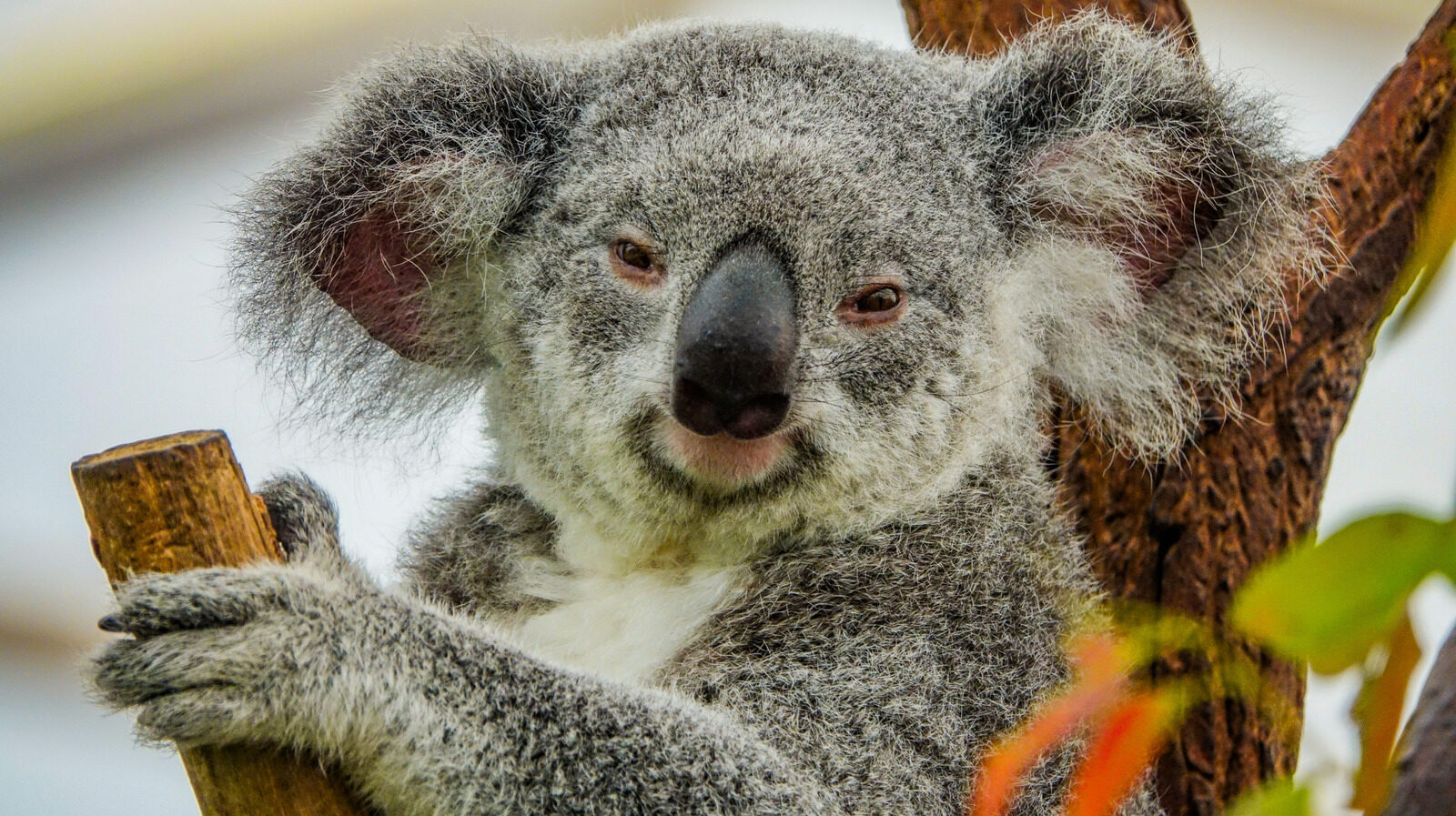
Koalas are among the most cherished symbols of Australia, captivating the hearts of many with their adorable appearance and unique lifestyle. However, these iconic marsupials are facing severe challenges due to environmental changes and human impact. Understanding why koalas have managed to persist despite their precarious situation invites us to explore their fascinating yet perplexing biology and behavior.
As we delve deeper into the koala’s existence, we will uncover the surprising complexities behind their diet, their unique adaptations, and the misconceptions surrounding their intelligence. Join us on this journey to understand how these endearing creatures have managed to survive against the odds.
The complexities of the koala diet
The koala’s diet is one of the most intriguing aspects of their biology. These marsupials are almost exclusively reliant on eucalyptus leaves, a choice that seems counterintuitive given the plant’s toxicity to most animals. Eucalyptus contains compounds that can be harmful, yet koalas have evolved remarkable adaptations to cope with these challenges.
- Toxin tolerance: Koalas possess specialized digestive systems that allow them to detoxify the harmful chemicals found in eucalyptus leaves.
- Nutritional deficiencies: Despite their ability to consume eucalyptus, the leaves offer minimal nutritional value. They are low in calories and protein, which necessitates a diet consisting of a large volume of leaves.
- Energy conservation: To cope with the energy-sapping diet, koalas often sleep for up to 20 hours a day, minimizing energy expenditure.
Interestingly, koalas are picky eaters, showing a preference for fewer than 50 out of over 700 eucalyptus species available. Their reliance on such a limited food source makes them vulnerable to habitat loss caused by deforestation and climate change. Furthermore, their peculiar feeding habits extend to how they identify their food; they will only eat eucalyptus leaves attached to a tree, refusing to consume them if offered on a plate.
The impact of habitat destruction on koala populations
Koalas are facing significant challenges due to habitat destruction, primarily driven by human activities. Urbanization, agricultural expansion, and climate change have led to the loss of vital eucalyptus forests, which are essential for their survival.
- Deforestation: Large areas of eucalyptus forests have been cleared for agriculture and urban development, severely impacting koala habitats.
- Climate change: Increased temperatures and changing weather patterns have resulted in more frequent and severe wildfires, further threatening koala populations.
- Isolation of populations: Fragmented habitats make it difficult for koalas to find mates, leading to inbreeding and reduced genetic diversity.
These factors all contribute to the alarming decline in koala numbers, with some scientists suggesting that they may be functionally extinct in the wild. The urgency to protect their habitats and ensure their survival cannot be overstated, as it directly correlates with the fate of this beloved species.
Understanding animal intelligence in the context of survival
When assessing the intelligence of animals, particularly koalas, it’s crucial to consider the context in which they operate. Koalas have garnered a reputation for lacking intelligence, primarily due to their small brains and unique adaptations.
- Brain structure: Koala brains occupy only about 60% of their cranium, leading to one of the lowest brain-to-body ratios among mammals.
- Simplicity vs. adaptation: Their brains are relatively smooth, lacking the complex folds seen in more cognitively advanced species. However, this simplicity may actually be an evolutionary advantage in their nutrient-poor environment.
- Survival skills: Koalas are uniquely adapted to thrive on a diet that would be detrimental to other animals. This specialization showcases a different form of intelligence, one that prioritizes survival over cognitive complexity.
Critically, the dietary limitations imposed by their dependence on eucalyptus dictate their behavioral adaptations. While they may appear slow or dim-witted, their evolutionary strategies reflect a successful adaptation to their unique ecological niche.
Exploring conservation efforts for koalas
The plight of the koala has led to increased conservation efforts aimed at protecting their populations and habitats. Various programs are in place to promote awareness and encourage sustainable practices that can help secure the future of these remarkable animals.
- Habitat protection: Initiatives to protect and restore eucalyptus forests are critical. This involves reforestation projects and safeguarding existing wildlife corridors.
- Wildlife rehabilitation: Organizations are working to rehabilitate injured or displaced koalas, particularly in regions affected by wildfires.
- Community engagement: Educating the public about the importance of koalas and their habitats fosters community support for conservation measures.
Ultimately, collaborative efforts between governments, conservation groups, and local communities will be essential in ensuring the survival of koalas. By fostering a deeper understanding of their ecological role and the challenges they face, we can work collectively to protect these iconic marsupials for generations to come.
Future perspectives on koala survival
As we look to the future, the survival of koalas hinges on our ability to adapt to the changing environment and mitigate the impacts of human activity. While the challenges are significant, there is also hope. Innovative conservation strategies and increased public awareness can lead to positive changes.
By addressing the multifaceted threats to their survival—ranging from habitat destruction to climate change—we can create a more sustainable environment for koalas. This requires a long-term commitment to preserving their natural habitats and fostering a culture of conservation. In doing so, we can help ensure that koalas continue to thrive as one of Australia’s most beloved wildlife icons.