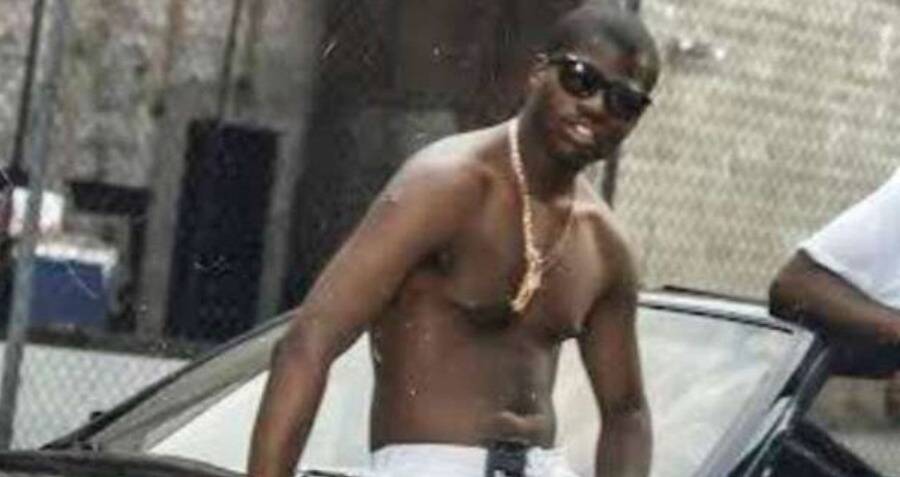
The streets of 1980s Harlem were a tinderbox waiting to ignite. Poverty, inequality, and lack of opportunity fueled a social powder keg, and amidst the chaos emerged figures like Richard Money Rich Porter. A shrewd businessman with a ruthless streak, Porter carved his path in the burgeoning crack cocaine trade, amassing a fortune that allowed him to live a life most could only dream of. He was a kingpin, ruling over his realm with an iron fist, surrounded by luxury cars and designer clothes, a symbol of success born from the ashes of despair.
But behind the opulent facade lurked a dark undercurrent of violence. The drug trade thrived on betrayal, paranoia, and bloodshed, a world where trust was a weakness and loyalty could be bought and sold in an instant. Porter navigated this treacherous landscape with calculated cunning, forging alliances and crushing enemies with equal measure. He rose through the ranks alongside notorious figures like Alpo Martinez and Azie Faison, their names whispered in hushed tones throughout Harlem’s underbelly. Yet, even at the pinnacle of his power, Porter’s life was teetering on a razor’s edge.
The tragedy that ultimately ended Rich Porter’s life in 1990 serves as a stark reminder that success built on violence often crumbles into ruin. The kidnapping and murder of his young brother William shattered the illusion of security, plunging Porter into a spiral of grief and desperation. This vulnerability was exploited by Martinez, who suspected Porter of betrayal and orchestrated his demise. How did Rich Porter die? Rich Porter’s death, a consequence of the very world he helped create, became a grim testament to the rich porter cause of death that plagued Harlem during that era. The case remains unsolved, leaving behind unanswered questions and further cementing the legacy of violence associated with the crack cocaine epidemic.
Harlem’s Crack Cocaine Empire
The crack cocaine epidemic ravaged New York City in the 1980s, transforming Harlem into a battleground where desperation and violence ruled. It wasn’t just a drug; it was an economic force, a twisted system that offered quick riches to those operating within its chaotic web. Blocks that once pulsed with life and community spirit became dominated by open-air drug markets, the air thick with tension and paranoia.
This lucrative underworld beckoned countless individuals seeking escape from poverty and limited opportunities. Porter, a sharp-minded entrepreneur who understood the power of supply and demand, seized this opportunity with both hands. He quickly established himself as a major player in the game, amassing wealth through meticulous organization, shrewd investments, and ruthless tactics. His crew, loyal street dealers drawn to his charisma and promise of success, operated under Porter’s watchful eye, spreading their reach across Harlem.
The crack cocaine trade became an all-consuming force, shaping every aspect of life within these communities. From the corner bodega to the bustling nightclubs, its influence was undeniable. Yet, beneath the veneer of money and power lay a bitter truth: this empire built on addiction and despair could only ever offer temporary solace, leaving behind a trail of broken lives and shattered dreams in its wake.
Life Of Luxury And Power
Porter’s success in the drug trade translated into a life of lavish excess, a stark contrast to the grim realities faced by many in his community. He flaunted his wealth openly, purchasing expensive cars and designer clothes, his every move dripping with an aura of confidence and power. He frequented exclusive nightclubs, surrounded by beautiful women, basking in the adoration that came with his newfound status.
His opulent lifestyle was a deliberate statement, a way to assert dominance and intimidate rivals within the drug trade. Porter’s mansion, a symbol of his success, became a haven for lavish parties and extravagant gatherings. It was here he hosted high-profile figures from the music industry, sports world, and even politicians, blurring the lines between legality and illegality. He used his wealth to cultivate connections, manipulate situations, and further solidify his position as kingpin of Harlem’s underworld.
But beneath the glittering facade, Porter’s life was a carefully constructed illusion. He lived in constant fear of betrayal and violence, aware that one misstep could lead to ruin. The hedonistic lifestyle he embraced became both a shield and a prison, trapping him in a cycle of excess and paranoia that ultimately consumed him.
A Devastating Tragedy
Few events could have shattered Porter’s carefully constructed world like the kidnapping of his 12-year-old brother William in 1990. This senseless act of violence ripped through Porter’s life, shattering the illusion of security he had built around himself. The kidnappers demanded a ransom, plunging Porter into a desperate struggle against time and fear.
He poured every resource at his disposal into securing William’s release, but the negotiations quickly turned sour. The kidnappers proved relentless in their demands, playing on Porter’s desperation and exploiting his vulnerability. Ultimately, they failed to receive the full sum requested, leading them to take a horrific turn. William was murdered, leaving behind a gaping wound in Porter’s life that could never be healed.
The grief and rage that consumed Porter following William’s death were palpable. He had lost innocence, joy, and the last remaining shred of light amidst the darkness he inhabited. This tragedy, born from the very world he helped create, became his undoing, a catalyst for the events that would ultimately lead to how did Rich Porter die.
Murder In The Streets
The murder of William Porter sent shockwaves through Harlem, amplifying the already simmering tensions within the drug trade. Suspicions flew, fueled by a culture of betrayal and fear that thrived in the shadows of the city’s underbelly. Many believed Alpo Martinez, a rival kingpin with whom Porter had clashed on multiple occasions, was behind William’s death.
Martinez, known for his ruthless efficiency and cunning, saw an opportunity to eliminate Porter while exploiting the vulnerability he exhibited after his brother’s murder. He skillfully manipulated the situation, sowing seeds of doubt amongst Porter’s crew and isolating him from potential allies. Porter, consumed by grief and rage, became increasingly reckless, further fueling Martinez’s suspicions.
Under the veil of darkness, Rich Porter died in a cold-blooded execution orchestrated by Alpo Martinez. The motive behind his murder remains unclear, possibly stemming from a power struggle within the drug trade or Martinez’s belief that Porter had betrayed him. Regardless of the true reason, rich porter cause of death served as a grim reminder of the ruthless consequences of life in Harlem’s underworld, where violence was not just a tool but a way of life.
The Legacy Of Violence
Rich Porter’s story is a tragic reflection of the violence that plagued Harlem during the crack cocaine epidemic. His life, marked by both success and tragedy, stands as a chilling reminder of how quickly fortunes can be built and shattered within such a volatile environment. Porter’s rise and fall serve as a cautionary tale about the seductive allure of power and wealth in an illegal world where morality is often sacrificed for survival.
The rich porter death had a profound impact on his community, further fueling the cycle of violence and despair that characterized Harlem during those tumultuous years. It left behind a legacy of shattered lives, broken families, and unhealed wounds that continue to resonate even today. While Porter’s name may have faded from public memory, his story remains an important reminder of the human cost of the drug trade and the devastating consequences it has on individuals, communities, and society as a whole.
The crack cocaine epidemic left indelible scars on Harlem, a testament to the enduring impact of widespread poverty, lack of opportunity, and systemic inequalities. Porter’s life serves as a poignant example of how these factors can lead individuals down a path of destruction, ultimately resulting in tragedy for themselves and those around them.