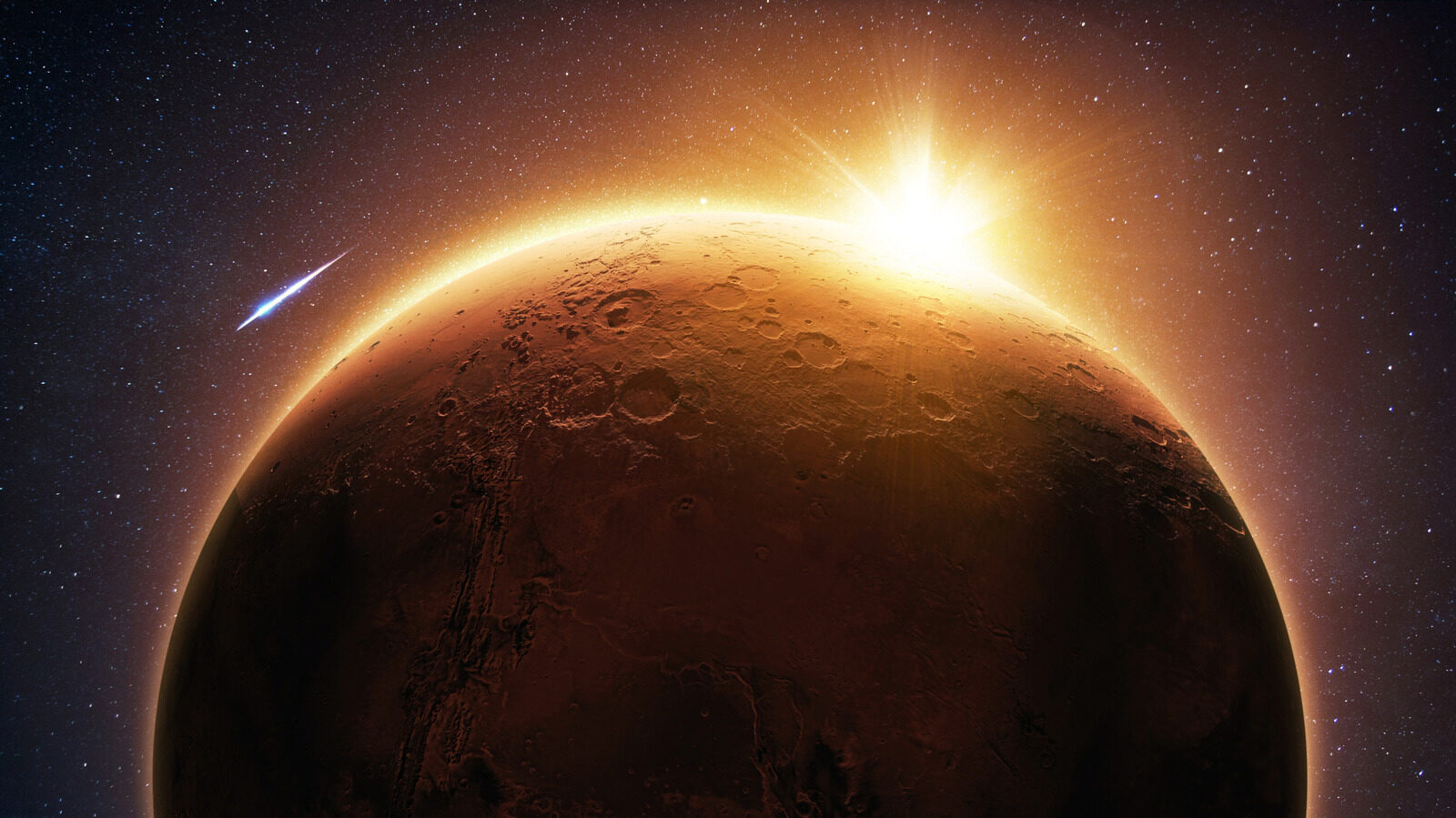
As humanity’s gaze turns toward the cosmos, the prospect of colonizing Mars becomes less of a distant dream and more of an impending reality. Companies like SpaceX are pioneering efforts to establish sustainable habitats on the red planet. However, as we delve deeper into what life on Mars could entail, we uncover staggering challenges that make the prospect of colonization seem both thrilling and terrifying. Understanding the hostile conditions on Mars is crucial for any future missions or settlements.
The allure of Mars lies in its similarities to Earth, but the stark realities of its environment reveal why it is considered one of the least hospitable places for human life. The dangers are numerous, ranging from an inhospitable atmosphere to extreme temperatures. Here’s a closer look at why Mars is a daunting frontier for humanity.
The Martian atmosphere is lethal to humans
The atmosphere of Mars is a primary factor that renders the planet uninhabitable for humans. Unlike Earth, which has a rich atmosphere composed mainly of nitrogen and oxygen, Mars has an atmosphere that is over 95% carbon dioxide. This composition poses severe risks for human survival.
- Carbon Dioxide Dominance: Mars’ atmosphere is 500 times richer in carbon dioxide than that of Earth, while oxygen represents merely a trace amount. This imbalance means that humans would struggle to breathe, as the oxygen density is around 1/10,000th of what we need.
- Extreme Thinness: The atmospheric pressure on Mars is less than 1% of Earth’s. This lack of pressure leads to a host of physiological issues, including ebullism, where bodily fluids such as saliva and blood begin to boil at lower temperatures.
- Cold Temperatures: Mars experiences frigid temperatures that can plummet to minus 225 degrees Fahrenheit, creating additional challenges for human survival.
As we consider the potential for colonization, it’s clear that the Martian atmosphere is not just unsuitable for life; it is actively lethal. Humans exposed to its elements without proper protection would face a grim fate, underscoring the need for advanced life support systems in any future missions.
The physical dangers of Mars’ environment
Beyond the atmosphere, Mars presents a variety of physical dangers that would make survival nearly impossible without adequate technology. These dangers include:
- Radiation Exposure: Mars lacks a magnetic field and a thick atmosphere, exposing inhabitants to cosmic rays and solar radiation, which can lead to severe health issues such as cancer.
- Dust Storms: Mars is subject to frequent and massive dust storms that can engulf the entire planet. These storms can last for months and drastically reduce visibility and solar energy, complicating any survival efforts.
- Temperature Extremes: The disparity in temperature between day and night on Mars can be extreme, leading to conditions that could incapacitate even the best-prepared explorers.
Each of these factors contributes to the inherent risk of dying on Mars. It is not just the inhospitable atmosphere that poses a threat; the very environment of the planet is fraught with peril.
Mars could kill you in a variety of horrible ways
When considering the lethal potential of Mars, it is crucial to understand the myriad of ways death could occur on this unforgiving planet. The risks extend beyond suffocation due to oxygen deprivation and include several other horrifying scenarios:
- Rapid Decompression: The low atmospheric pressure means that if a human were to be exposed without a space suit, the gases in their blood would bubble, leading to a phenomenon known as ebullism, causing a swift and excruciating demise.
- Cold-Induced Hypothermia: Exposure to the extreme cold without proper insulation could result in hypothermia, where the body loses heat faster than it can produce it, leading to a slow and painful death.
- Asphyxiation: With such a minimal oxygen supply, humans would quickly succumb to asphyxiation, a process that can be both distressing and prolonged.
Dr. Pascal Lee from the SETI Institute explains that the experience of dying on Mars would not only be painful but also eerily silent. The thin atmosphere would likely absorb most sounds, making it feel as though one were alone in their final moments. In such dire circumstances, the lack of auditory feedback adds an unsettling layer of horror to the experience of dying on Mars.
Preparing for the challenges of Martian colonization
As we look towards the future of Martian exploration, it becomes evident that overcoming these lethal challenges will require innovative technology and meticulous planning. Here are several key areas that need to be addressed:
- Life Support Systems: Developing robust life support systems capable of providing an adequate supply of oxygen and removing carbon dioxide will be essential for human survival.
- Radiation Shielding: Structures designed to protect against cosmic radiation will be necessary to safeguard human health over long periods.
- Habitat Design: Habitats must be insulated against extreme temperatures and capable of withstanding dust storms.
In essence, any mission to Mars must prioritize safety and sustainability. As we inch closer to making human life on Mars a reality, the lessons learned from the harsh conditions of this red planet will be invaluable.
The psychological impact of life on Mars
In addition to the physical dangers, living on Mars would likely have profound psychological effects on astronauts and colonizers. The isolation, confinement, and extreme environment can lead to a range of mental health challenges. Considerations include:
- Isolation: The vast distance from Earth would create a sense of isolation that could lead to feelings of loneliness and depression.
- Limited Social Interaction: Living in close quarters with a small group of people could lead to interpersonal conflicts and stress.
- Environmental Stressors: The harsh Martian landscape and extreme weather conditions could exacerbate feelings of anxiety and tension.
Addressing these psychological factors will be just as critical as managing the physical dangers. Future missions must include mental health support and strategies to foster community and resilience among crew members.
Conclusion
While the dream of colonizing Mars captivates the imagination, the reality is fraught with challenges that must be addressed. Understanding the lethal environment and preparing for its dangers is essential for any future initiatives. As humanity stands on the brink of interplanetary exploration, we must approach Mars not just as a new frontier but as a complex ecosystem that demands respect and careful consideration.