Spiders have long fascinated and frightened people, and myths about them abound. One of the most persistent is the belief that daddy longlegs are the most venomous spiders in the world, capable of inflicting harm but unable to do so due to their tiny fangs. However, this myth is rooted in confusion and misinformation surrounding various arachnids and insects. Let’s dissect the truth behind daddy longlegs, their actual species, and the real dangers they pose.
Understanding the term daddy longlegs and its misconceptions
The term “daddy longlegs” is commonly used to refer to several different types of creatures, which contributes significantly to the confusion surrounding their venomous nature. In reality, **daddy longlegs** can refer to:
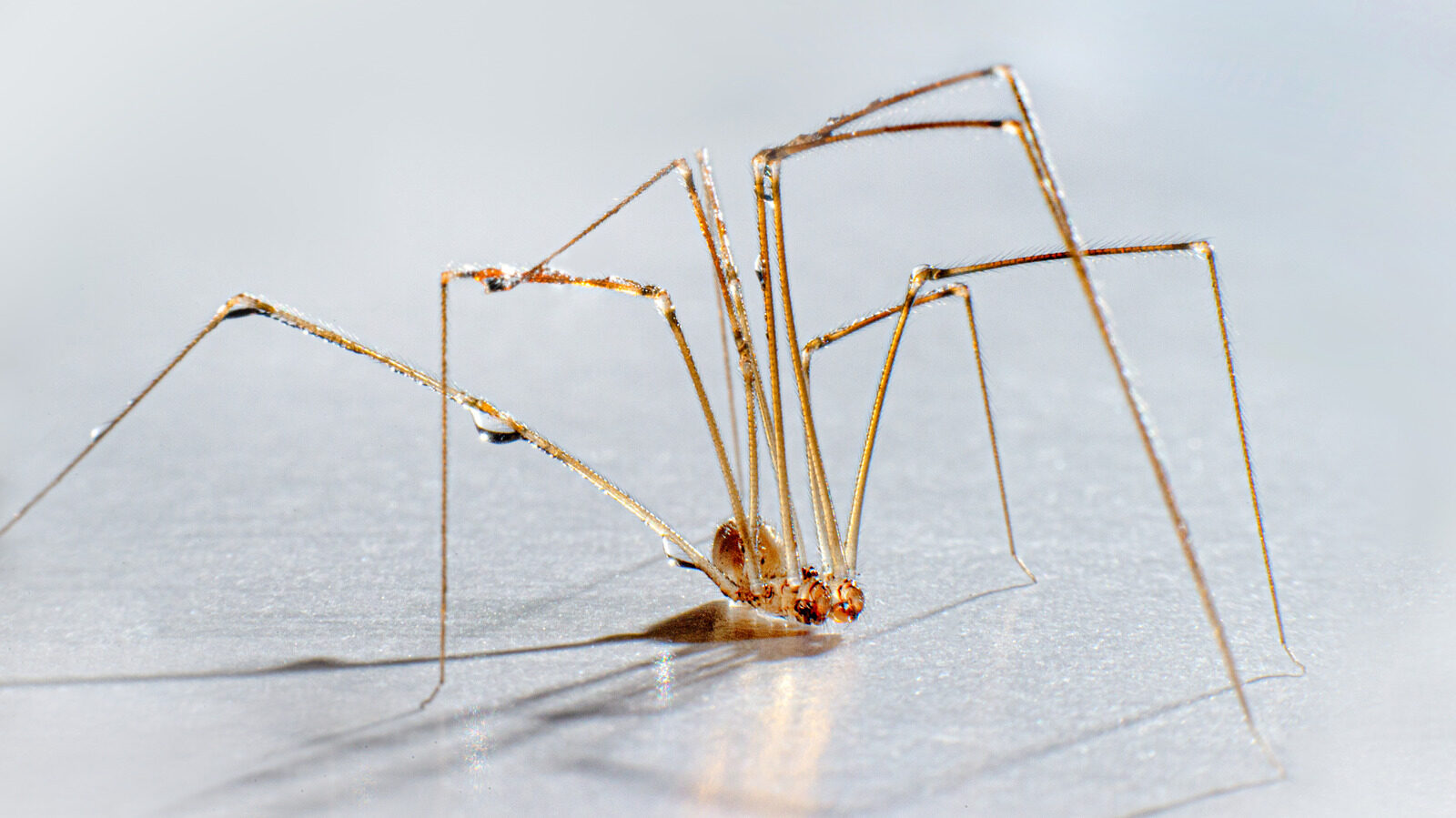
- Cellar spiders (family Pholcidae), which are true spiders.
- Crane flies (family Tipulidae), which are insects.
- Harvestmen (order Opiliones), which are arachnids but not true spiders.
This overlap in terminology leads many people to mistakenly believe that all daddy longlegs are equally dangerous. In fact, the only real spiders that are classified as daddy longlegs belong to the pholcid spider family, commonly known as **cellar spiders**.
The truth about cellar spiders
Cellar spiders, or pholcid spiders, are often recognized for their long legs and small bodies. There are nearly 2,000 species of these spiders worldwide, and their elongated limbs serve several essential functions:
- They can hurl silk to ensnare prey from a distance.
- The long legs enable quick movement across various surfaces.
- They help detect vibrations to locate potential prey.
While it is true that cellar spiders are venomous, their venom is primarily effective against the small insects they prey upon, such as flies and bees. According to scientific research, the strength of their venom is not sufficient to harm humans significantly. A study published in **Frontiers in Ecology and Evolution** highlighted that the venom of cellar spiders is less potent than that of more dangerous species, like the black widow spider.
The real dangers of spider bites
Despite cellar spiders’ mild venom, it’s essential to understand that not all spiders are harmless. In fact, some species pose significant risks to humans. Here are a few of the most notable venomous spiders:
- Black widow spider (Latrodectus spp.): Known for its distinctive hourglass marking, the black widow’s bite can cause severe pain and muscle cramps.
- Brown recluse spider (Loxosceles reclusa): This spider’s bite can lead to necrotic lesions and severe systemic reactions.
- Funnel-web spiders (Atracidae): Particularly dangerous in Australia, these spiders can cause life-threatening symptoms in humans.
While cellar spiders may not be a threat, it is vital to recognize the characteristics of genuinely dangerous spiders to avoid potential bites. Understanding their habitats and behaviors can help mitigate risks associated with more harmful species.
The most venomous spider in the world
When discussing the deadliest spiders, the conversation often leads to the **Australian funnel-web spider**. This spider is renowned for its aggressive nature and potent venom, making it one of the most dangerous spiders globally. Specifically, the Sydney funnel-web spider (Atrax robustus) has been responsible for numerous bites and fatalities prior to the introduction of effective antivenom in 1981.
Key facts about the Sydney funnel-web spider include:
- Its venom contains a compound that can cause severe neurological effects in humans.
- Historically, it was responsible for 13 recorded fatalities before the advent of antivenom.
- Despite the risks, no deaths have occurred since the introduction of antivenom, although bites still happen frequently.
This example highlights the importance of understanding the actual dangers posed by various spider species rather than relying on myths. The comparison with cellar spiders illustrates how misinformation can lead to unnecessary fear of harmless creatures.
Other noteworthy venomous spiders
In addition to the Australian funnel-web spider, other spiders also present risks to humans. For instance, the brown recluse spider has gained notoriety in the United States for its potentially harmful bite. Here’s how to identify some of the most dangerous spiders:
- Brown recluse spider: Look for a violin-shaped marking on its back and long, slender legs.
- Black widow spider: Identify by its glossy black body and red hourglass marking on the abdomen.
- Hobo spider: Characterized by its brown coloration and distinctive markings on its abdomen, which can cause painful bites.
These spiders can be found in various regions and environments, making awareness crucial for safety. Homeowners should take precautions to minimize encounters with these potentially dangerous species, such as sealing cracks and keeping living spaces clean.
How to deal with spider encounters
Understanding the environment and behavior of spiders can significantly reduce the chances of a bite. Here are some tips for dealing with spider encounters:
- Maintain cleanliness in living spaces to deter spiders from making a home indoors.
- Seal gaps and cracks in walls and windows to prevent entry.
- Use natural repellents to discourage spiders from entering your home.
- Educate yourself and your family about identifying dangerous spiders in your area.
In cases of spider bites, it’s crucial to seek medical attention if symptoms worsen or if a bite is suspected to be from a venomous species. Recognizing the signs of a serious bite can be life-saving.