
How Empathy Improves Physical and Mental Health
Empathy is more than a social skill; it is an evolutionary survival strategy that reduces stress, protects heart health, and increases longevity by fostering essential social connections.

Empathy is more than a social skill; it is an evolutionary survival strategy that reduces stress, protects heart health, and increases longevity by fostering essential social connections.

University of Maryland researchers have created a smart underwear device to track flatulence frequency, revealing that humans pass gas more often than previously believed.

Learn how the human body uses the sampling reflex and sensory nerves in the anal canal to distinguish between gas and stool to prevent accidental leakage.

Explore the genetic and nutritional differences between red and green grapes, focusing on the role of anthocyanins, resveratrol, and the VvmybA1 gene in determining color and health benefits.
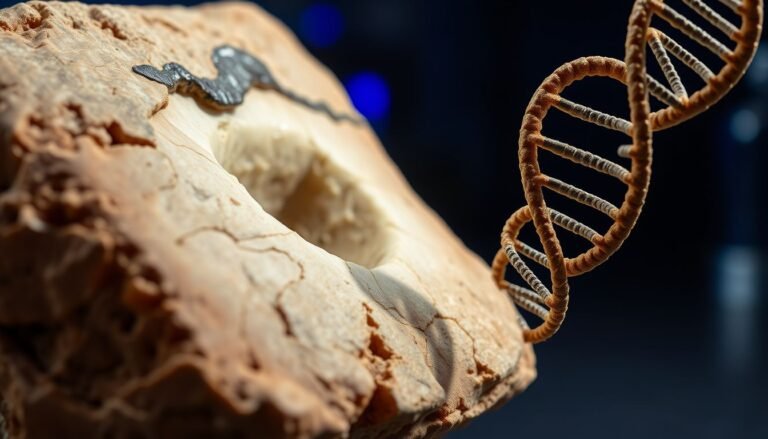
Analysis of fossilized dental plaque from prehistoric European Homo sapiens reveals a genetic aversion to eating insects, unlike Neanderthals, who consumed them as a protein source.

Explore the science behind the viral Gen-Z sleepmaxxing trend, separating clinically proven sleep hygiene practices from unproven and potentially harmful viral rules.

New research suggests that ZIP codes are more predictive of health outcomes than BMI, as geographic location determines access to healthcare, food quality, and environmental safety.

Explore the story of the VZ-9AV Avrocar, the US military's failed attempt in the 1950s to build a functional flying saucer based on the Coandă effect and ground effect.
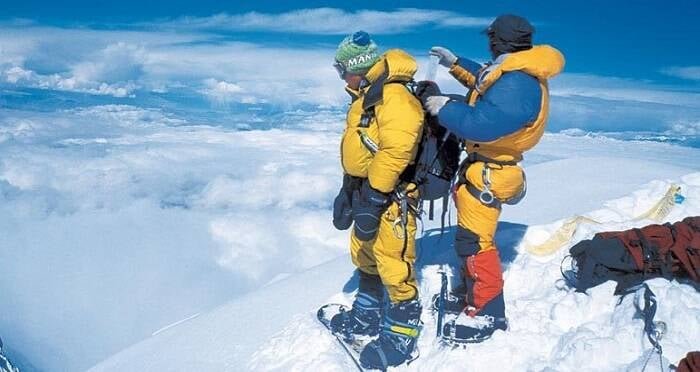
Explore the risks of climbing Mount Everest, detailing the fatalities of Hannelore Schmatz and David Sharp, and the disappearance of snowboarder Marco Siffredi in the Death Zone.
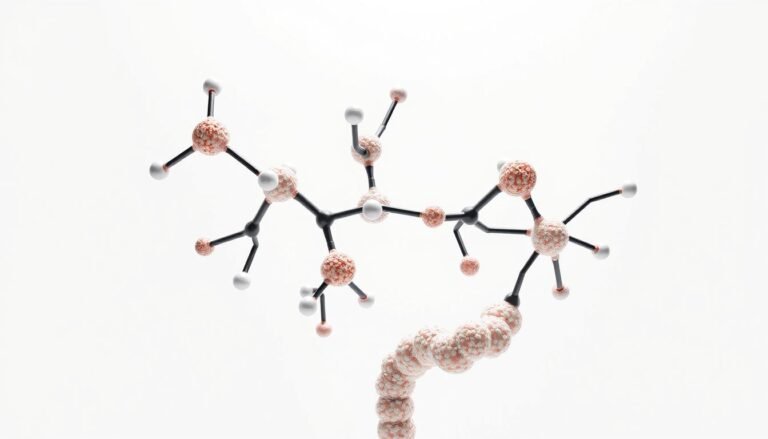
Discover the science behind flatulence, explaining why some farts smell while others are odorless based on sulfur compounds and the types of foods we eat.

Lake Superior's deepest point, Superior Maximus, reaches 1,332 feet. Recent robotic expeditions reveal a barren environment inhabited by unique species and a mysterious decline in siscowet lake trout populations.
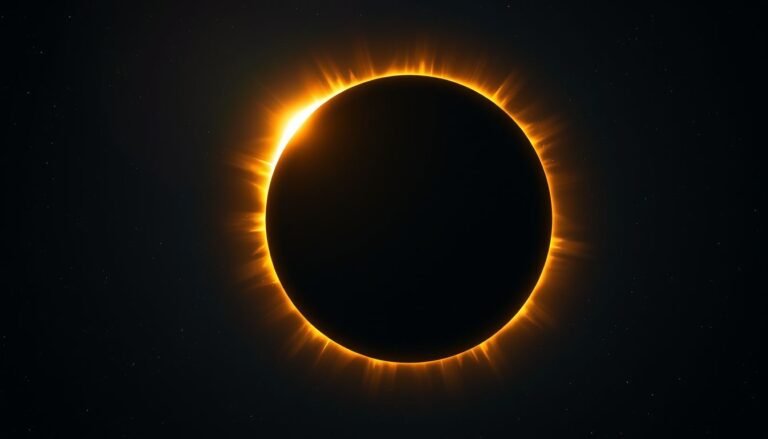
Explore the historical link between eclipses and death myths, from ancient Mesopotamian kings to King Mongkut of Siam, and the science of confirmation bias that sustains these superstitions.