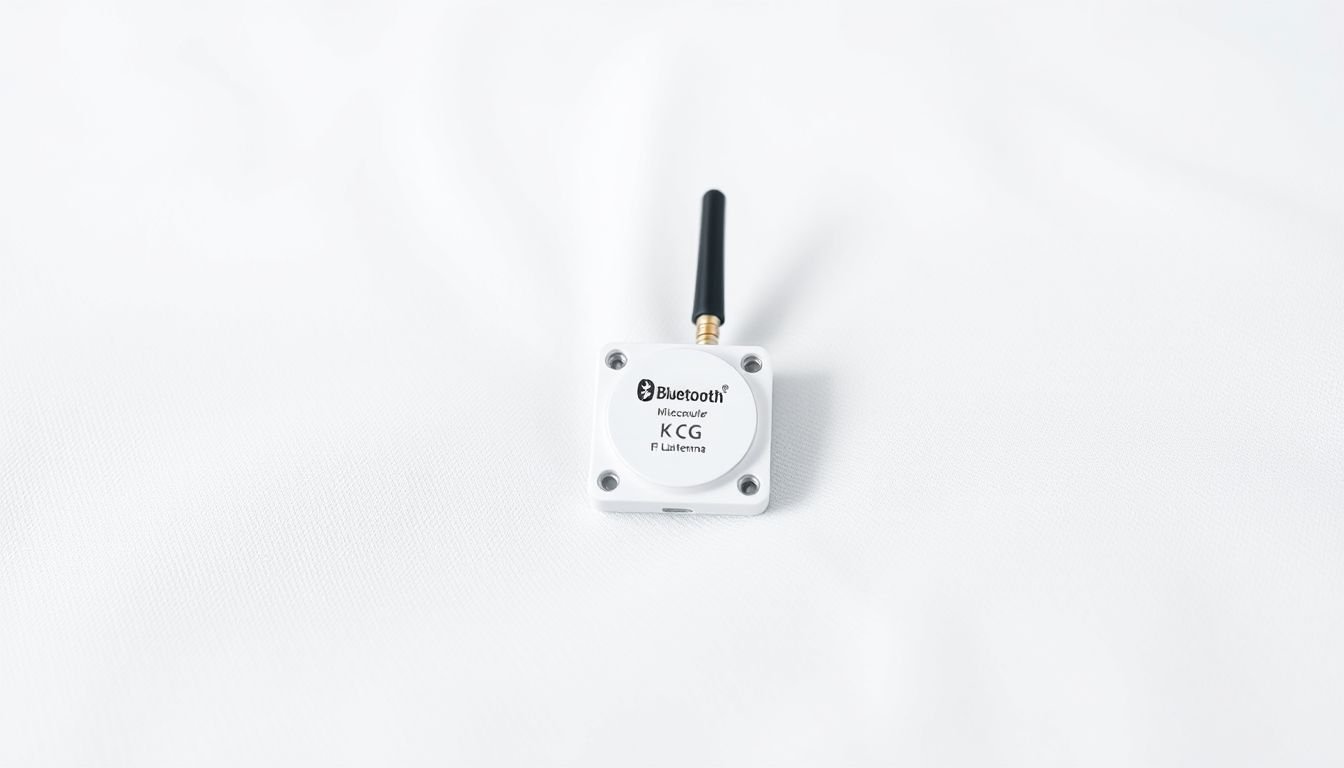

Researchers at the University of Maryland (UMD) have developed a wearable electronic device, termed “smart underwear,” to accurately measure human flatulence and monitor gut microbial metabolism. The device, which attaches to standard clothing, is designed to provide physicians with objective data to help patients struggling with intestinal gas issues.
How the Smart Underwear Device Works
The technology consists of a small electronic module featuring a microcontroller with Bluetooth, memory, and electrochemical sensors. According to a study published in Biosensors and Bioelectronics: X, the device uses direct memory access to monitor for gas events continuously. To conserve power, the microcontroller remains in deep sleep until a sensor detects a fart, at which point it records the event. Additionally, the system wakes every five minutes to record environmental data, including humidity, movement, and temperature.
New Findings on Daily Flatulence Frequency
The UMD research team discovered that humans pass gas more frequently than previously believed. Past studies often relied on self-reporting, which was prone to forgetfulness and missed events, particularly during sleep. For instance, a 1996 study published in Digestive Diseases and Sciences found that the average person passed gas between 10 and 20 times per day. Other estimates suggested a normal range up to 25 times daily.
In the current UMD study, 38 healthy participants followed a specific diet and fasting period before wearing the device for two days, eight hours per day. The findings revealed an average of 32 farts per day, with a range between 4 and 59 events. This data suggests that the current medical understanding of “normal” flatulence frequency is likely underestimated.
The Human Flatus Atlas Project
Following these initial results, assistant professor Brantley Hall and his team are launching the Human Flatus Atlas. This project aims to record measurements from hundreds of people, both day and night, to establish a comprehensive and accurate normal flatus range for the rest of the population.
Frequently Asked Questions About Gut Health
Is there a smart underwear that can track farts?
Yes, the University of Maryland’s prototype device is the first wearable of its kind designed for microbiome science and gut health monitoring. It is not currently available for commercial purchase, as it is a research tool used to establish the baseline for the Human Flatus Atlas.
Do you have good gut health if you fart a lot?
Flatulence is a byproduct of the gut microbiome’s metabolism. While frequent gas is generally a normal biological process, the University of Maryland research indicates that the frequency is higher than previously thought. Physicians use this data to distinguish between normal biological activity and clinical intestinal gas issues.
What is fart testing?
Fart testing, or flatology, is the scientific study of intestinal gas. It involves measuring the frequency, composition, and frequency of gas events to understand how gut bacteria interact with food and the la