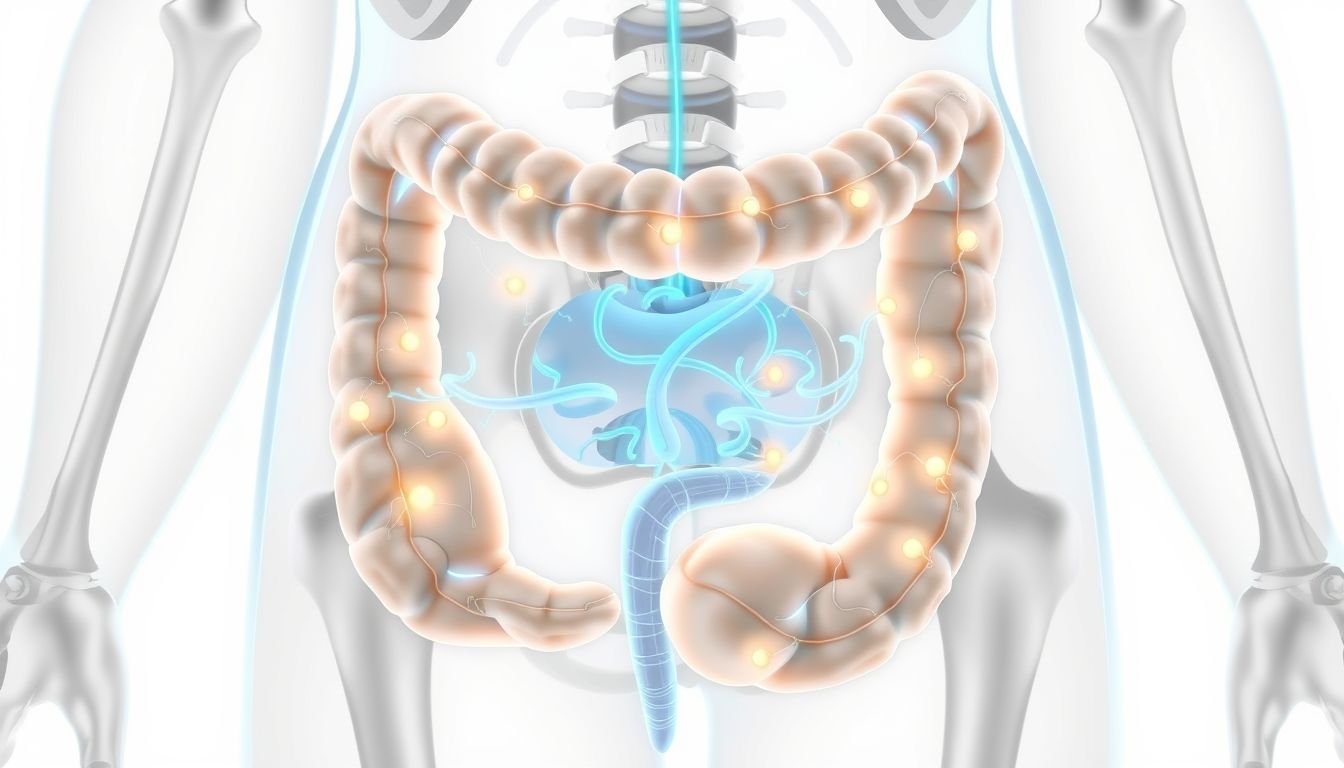

The human body utilizes a complex sensory system in the lower gastrointestinal tract to determine whether the contents of the rectum are solid, liquid, or gas. This process is managed by a combination of //senses, muscular rings called sphincters, and the nervous system, allowing the brain to decide whether to release the contents or hold them until reaching a restroom.
The Anatomy of the Sampling Reflex
The process begins in the rectum, which serves as a temporary storage area for waste. When the rectum reaches a specific capacity, the internal sphincter—an involuntary muscle—relaxes. This action triggers the rectoanal inhibitory reflex (RAIR), which is part of a larger mechanism known as the sampling reflex.
Once the internal sphincter relaxes, a small amount of the rectal contents moves into the anal canal. Here, mucous membranes and sensory nerve endings analyze the sample. These nerves are highly sensitive to the physical properties of the difference between gas and stool. By detecting the pressure and consistency of the material, the body can determine if it is a fart or poop, or even liquid diarrhea.
How to Know if it is a Fart or Poop
After the sampling reflex has occurred, the external sphincter—a muscle under voluntary control—is activated. If the sensory nerves identify the contents as gas, the person can choose to release it. If the contents are identified as stool, the external sphincter remains contracted to prevent accidental leakage. This coordination ensures that the body can differentiate a fart from poop effectively.
Various factors can influence this system. For instance, certain dietary habits or environmental changes can increase gas production, which is why some people fart more on airplanes due to changes in atmospheric pressure.
Causes of Fecal Incontinence and Accidental Leakage
When the signals between the nerves and the muscles are mixed, it can lead to fecal incontinence, medically known as accidental bowel leakage. This often manifests as a “shart,” where a fart is accompanied by small amounts of watery stool. This occurs when the body can’t tell if it needs to fart or poop due to a failure in the sampling reflex.
Common causes of accidental leakage include:
- Digestive Disorders: Conditions such as inflammatory bowel disease (IBD), irritable bowel syndrome (IBS), and proctitis.
- Neurological Diseases: Type 2 diabetes, multiple sclerosis, Parkinson’s disease, dementia, and stroke, which can impair the nerves in the anal canal.
- Muscular Weakness: Weakening of the sphincter muscles, which often occurs with age.
- Physical Obstructions: Hemorrhoids, abscesses, fistulas, or cancerous tumors.
- Severe Constipation: In cases of severe impaction, overflow diarrhea may leak around hard stool.
Diagnosis and Treatment Options
To identify the underlying cause of bowel leakage, healthcare providers use various diagnostic tools. These include blood, stool, and urine tests, as well as endoscopy, imaging tests, and bowel function tests. Depending on the results, treatment options may include:
- Physical Therapy: Pelvic floor exercises to strengthen the external sphincter.
- Dietary Changes: Modifying food intake to manage consistency of stool.
- Medications: To treat underlying digestive or neurological conditions.
- Bowel Training: Scheduled movements to regulate the system.
- Surgery: In necessary cases to resolve physical obstructions or muscle damage.
While occasional accidental leakage is generally not a health concern, frequent or severe episodes indicate a need for professional medical consultation to address the potential underlying health issues.