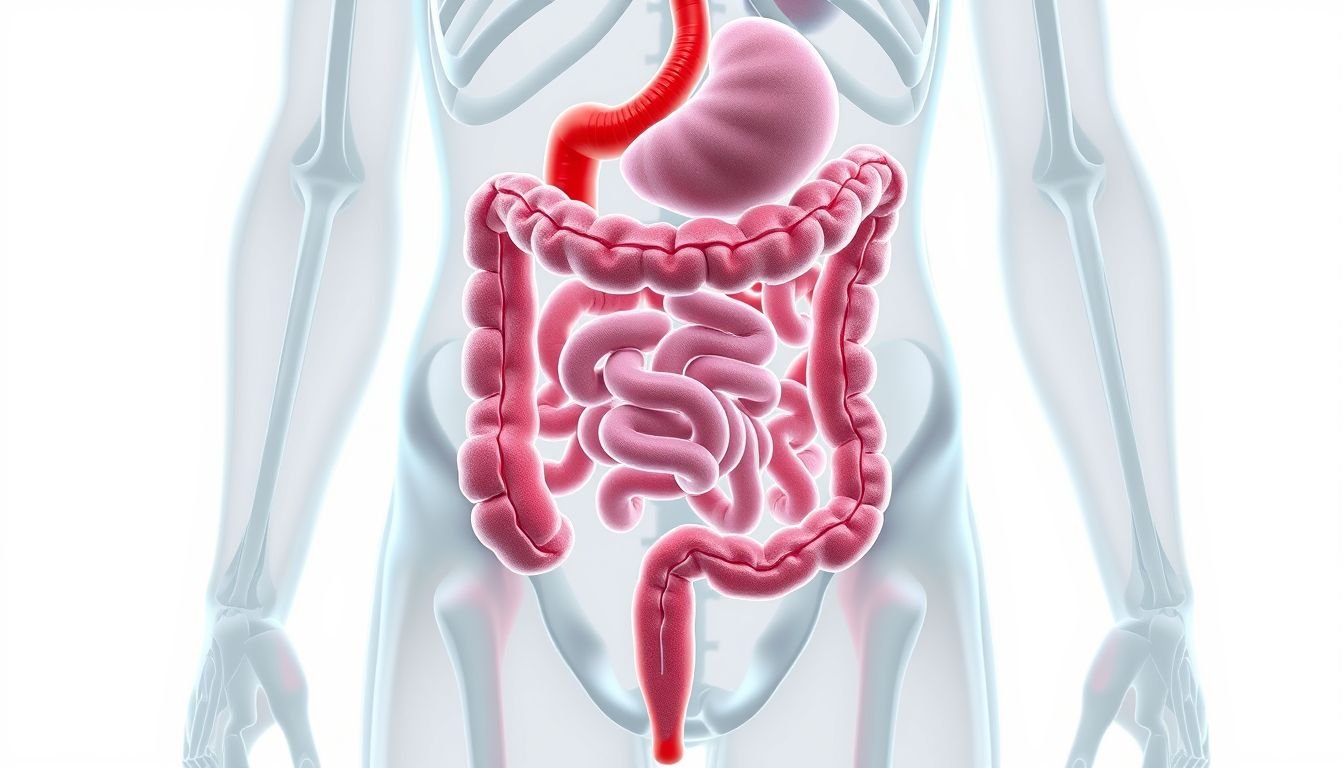

Holding in a bowel movement occasionally is not harmful to human health. The gastrointestinal system is designed to handle temporary delays in evacuation, allowing individuals to wait for a socially appropriate time and place to use a restroom. While the urge to defecate can be urgent, the act of withholding stool for short periods does not introduce toxins into the body or cause immediate pathological damage to the colon.
The Science of Stool Withholding
There is a common misconception that retaining stool leads to the buildup of dangerous toxins. However, medical evidence suggests that having stool inside the colon is not inherently pathological. The primary immediate effect of withholding is not toxicity, but rather physical discomfort, which may manifest as severe abdominal pain as fecal matter accumulates in the rectum.
From a behavioral perspective, the ability to delay a bowel movement is considered a functional necessity. As noted in Prevention, having the capacity to wait for a suitable environment is a normal part of human social interaction. This is similar to how other bodily functions are managed, though misconceptions often persist, much like those found in Common Vomiting Myths Debunked by Medical Science.
Practical Methods to Delay Bowel Movements
Effectively delaying a bowel movement involves the coordination of specific muscle groups and the avoidance of certain physical triggers. The most efficient method is clenching the gluteal muscles, which engages the pelvic floor to keep the sphincter closed and the rectum tense. This action sends a signal to the brain that the body is not yet ready for evacuation.
To maintain this state, it is important to avoid tightening the abdominal muscles, as increased intra-abdominal pressure can have the opposite effect and push stool toward the exit. Additionally, subtle body movements can help manage the urge. Shifting weight while standing or making small adjustments while sitting can provide temporary relief. However, these movements must remain sporadic and minimal. Large or frequent movements can trigger gastrointestinal peristalsis—the involuntary contractions of the digestive tract—which moves more fecal matter into the rectum and increases the urgency.
Certain physical positions also facilitate bowel movements and should be avoided when trying to hold stool. These include:
- Squatting
- Bending forward while sitting
- Resting on the knees
- Sitting perfectly upright (though often unavoidable in vehicles)
Standing or lying down are generally more effective alternatives for delaying the urge, as explained in Popular Science.
Risks of Chronic Stool Retention
While occasional withholding is safe, making it a habit can lead to significant health complications. Regular retention trains the body to ignore the natural urge to empty the bowels, which often results in chronic gas and bloating. Over time, this can lead to clinical constipation.
Constipation occurs because the colon continues to absorb water from the stool as it remains stationary. This process makes the stool harder and drier, making evacuation increasingly difficult. In extreme cases, unaddressed constipation can lead to fecal impaction or a perforation—a hole in the wall of the digestive tract. These severe conditions represent critical medical emergencies that can trigger systemic failures, relating to the same physiological distress described in Physical Sensations of Dying Explained by Science.
Furthermore, research published in the Danish Medical Journal indicates that chronic fecal retention can cause functional bowel disorders, such as pelvic floor dysfunction. In this state, the pelvic floor muscles lose the ability to coordinate and relax, making it difficult to have a bowel movement even when the person consciously attempts to do so. There is also evidence that habitual withholding may cause chronic inflammation, which is associated with an increased risk of colon cancer.
Understanding Stool Shape and Health Myths
Many people experience anxiety regarding the appearance of their stool, often attributing changes to severe illness without medical evidence. One prevalent myth is that thin stool is a definitive sign of colorectal cancer. While changes in bowel habits should be monitored, thin stool is often caused by diet or non-cancerous factors rather than malignancy.
Similarly, the occurrence of pebble stool (small, hard pieces) is frequently mistaken for a sign of cancer. In reality, pebble-like stool is a classic symptom of constipation. It occurs when stool remains in the colon for too long, allowing the body to absorb excessive amounts of water, which fragments the waste into hard, small pieces.
Identifying Concerning Stool Characteristics
While the shape of the stool is often misunderstood, color can provide more direct clues about health. The unhealthiest poop colors typically include bright red (indicating lower gastrointestinal bleeding), black and tarry (suggesting upper gastrointestinal bleeding), or pale/white (which may indicate issues with the gallbladder or liver). These symptoms, unlike the occasional act of holding in stool, require immediate medical attention.
Regarding frequency and consistency, some refer to the 3-3-3 rule—a general guideline suggesting that three bowel movements a day, three times a week, or once every three days can fall within a normal range depending on the individual. However, the most important factor is the consistency and the absence of pain. As discussed in a YouTube medical explanation, the absence of pathological markers in the colon means that short-term retention is not a cause for alarm, provided it does not become a chronic behavioral pattern.