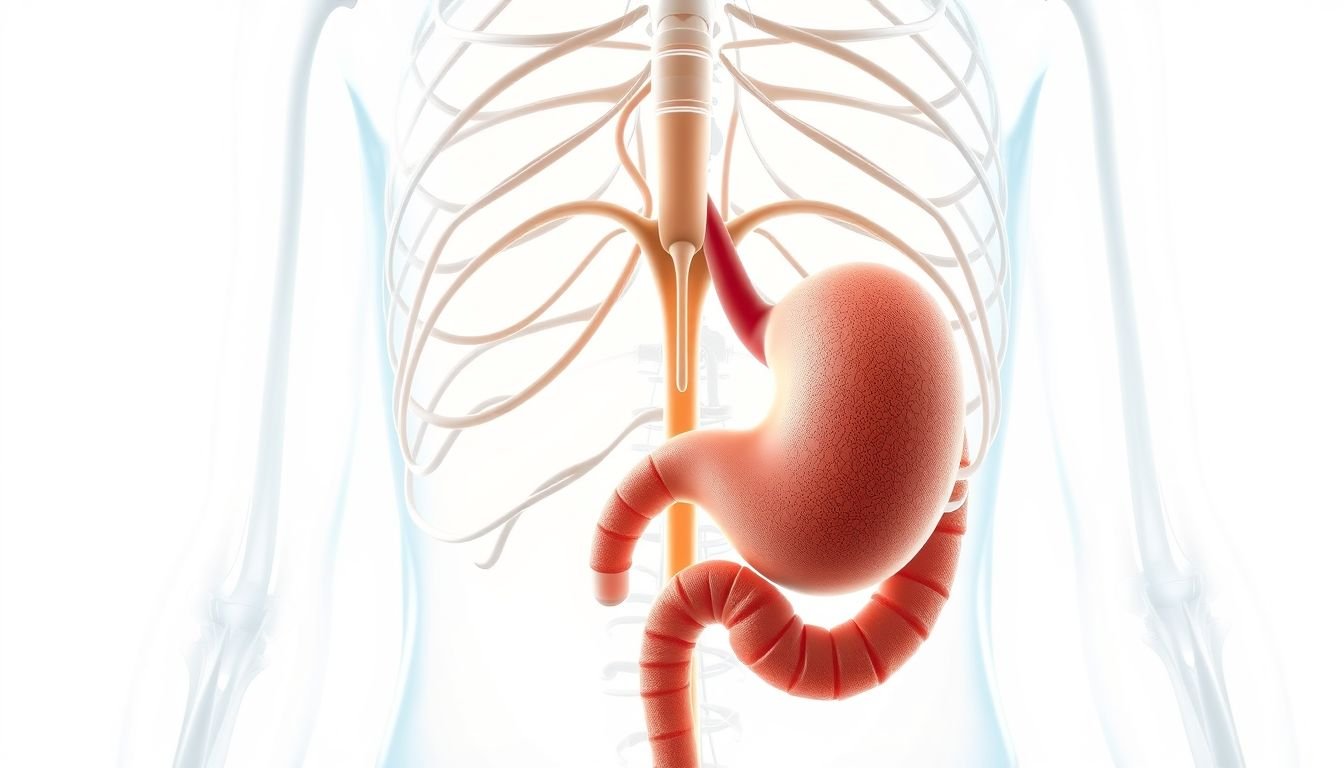
Vomiting, clinically known as emesis, is a complex biological defense mechanism used by the body to expel harmful substances or respond to systemic distress. While often associated exclusively with digestive issues, the process is actually controlled by the nervous system and can be triggered by a wide array of internal and external stimuli. Understanding the scientific reality behind this process is critical, as several widespread misconceptions regarding its causes and treatments can lead to dangerous health decisions.
The biological process of vomiting typically unfolds in three distinct stages: nausea, characterized by the sensation of impending emesis; retching, where the throat and mouth engage in rhythmic contractions; and finally, the expulsion of stomach contents as digestive muscles contract to push material upward.
The Neurological Triggers of Vomiting
A common misconception is that vomiting always originates in the stomach. In reality, the process is managed by the chemoreceptor trigger zone, located in the medulla of the brainstem. This area monitors the blood for toxins and chemicals, sending signals to initiate the vomiting reflex to protect the body.
While gastric irritation can trigger the response, many other factors are involved:
- Environmental Stimuli: Sights, sounds, or the mention of others vomiting can trigger a psychological response.
- Motion Sickness: This occurs when the brain receives conflicting signals; for instance, the eyes perceive movement (such as in a car or via virtual reality headsets) while the body remains stationary.
- Systemic Issues: Conditions such as migraines, high levels of stress, and pregnancy can all activate the vomiting reflex regardless of stomach health.
Food Poisoning and Incubation Periods
Many people believe that the last meal consumed is always the cause of food poisoning. However, the timeline between ingestion and the onset of symptoms varies drastically depending on the pathogen involved. According to the Centers for Disease Control and Prevention, incubation periods can range from 30 minutes to several weeks.
Key examples of these varying timelines include:
- Staphylococcus aureus: Symptoms can appear as quickly as 30 minutes after consuming contaminated deli meats or sandwiches.
- Listeria: The incubation period can extend up to two weeks.
While mild cases of poisoning often resolve within a few days, medical attention is necessary if vomiting is accompanied by a stiff neck, fever, slurred speech, or red-colored stools, as these may indicate more severe pathogens like Botulism or Salmonella.
The Danger of Induced Vomiting for Poisoning
Historically, people were encouraged to induce vomiting after ingesting toxins, sometimes using emetic medications like Syrup of Ipecac. Modern medical guidance has shifted away from this practice. Inducing vomiting can be counterproductive and dangerous for several reasons:
Tissue Damage: If the ingested substance is corrosive, such as bleach or strong acids, it causes chemical burns during ingestion. Forcing it back up causes a second round of burns to the esophagus and throat.
Aspiration Risks: There is a high risk that the toxin or the vomit itself will enter the lungs, leading to aspiration pneumonia. This is especially dangerous with frothing liquids like liquid soap or shampoo.
False Security: Inducing vomiting is often ineffective at removing a significant amount of the poison. This may lead individuals to believe they are safe, delaying critical professional medical treatment. Research conducted in 2003 indicated that the use of ipecac did not improve patient outcomes in poison ingestion cases.
Alcohol Consumption and the Sobering Myth
A prevalent myth suggests that vomiting can “clear out” alcohol from the system to sober a person up or prevent a hangover. This is scientifically incorrect because alcohol is absorbed into the bloodstream rapidly, typically within 10 minutes of consumption.
Once alcohol has entered the bloodstream, vomiting does nothing to reduce the intoxication level. In fact, “tactical vomiting” can be hazardous:
- Increased Absorption: Vomiting empties the stomach, meaning any subsequent drinks are absorbed even faster into the blood.
- Severe Dehydration: Both alcohol and vomiting cause fluid loss, exacerbating the symptoms of a hangover the following day.
- Lungs Damage: Accidentally inhaling acidic vomit into the lungs while intoxicated can lead to fatal pneumonia.
Evaluating Blood in Vomit by Color
The appearance of blood in vomit, known as hematemesis, is always a medical emergency, regardless of the color. There is a common belief that dark brown blood is less urgent than bright red blood, but this is a dangerous misconception.
Dark brown or black vomit, often described as “coffee ground emesis,” indicates that the blood has been partially digested. While this suggests the bleeding may have slowed or stopped temporarily, it still signals a serious internal issue. A 2018 study found that coffee ground emesis was not associated with lower rates of mortality or severe bleeding compared to bright red blood.
Potential causes for dark brown vomit include:
- Bleeding gastric ulcers.
- Tears in the esophageal lining.
- Internal malignancies or cancers.
Common Medical Myths That Have Been Debunked
The misconceptions surrounding emesis are part of a broader pattern of medical myths that persist despite scientific evidence. Many of these myths stem from outdated practices or simplified understandings of human biology. For example, the idea that we only use 10% of our brains or that vaccines cause autism are other famous myths that have been debunked by rigorous study.
Why do medical myths persist?
Medical misconceptions often survive because they seem intuitive or were passed down through generations before modern diagnostic tools were available. In the case of vomiting, the intuitive thought that “getting it out” is always better (whether for poison or alcohol) ignores the complex chemistry of blood absorption and the fragility of the respiratory system.
How to identify reliable health information?
To avoid falling for science myths, it is essential to rely on peer-reviewed research and official health organizations. When encountering health advice on social media or forums, checking for citations from medical journals or government health agencies (like the CDC) is the best way to verify the facts.