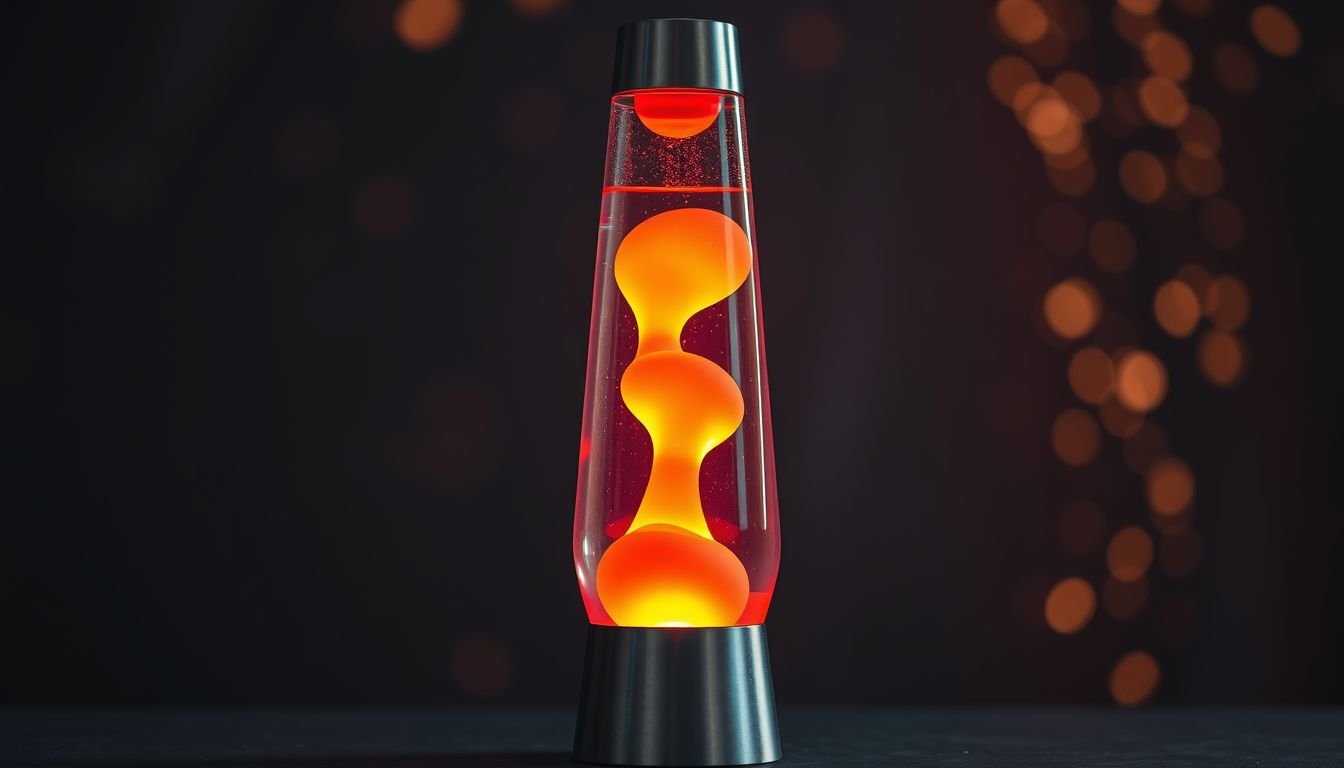
The lava lamp, invented by Edward Craven Walker in 1963, became a defining interior design staple of the 1970s. These devices consist of a glass vessel containing a tinted liquid and a waxy substance that melts and rises when heated by a bulb in the base. Beyond their aesthetic appeal, the hypnotic movement of these lamps triggers a specific cognitive state known as soft fascination, which allows the human brain to recover from mental fatigue.
Understanding Soft Fascination and Cognitive Recovery
Human attention is a finite resource that can be depleted through constant use, leading to mental exhaustion. Research in cognitive science distinguishes between high-effort attention—required for complex tasks like navigating a busy street or working in a loud office—and low-effort attention. Soft fascination occurs when the mind is engaged by stimuli that are slow, rhythmic, and unpredictable.
Examples of stimuli that trigger this state include:
- The movement of flowing water or drifting clouds.
- The flickering of flames.
- The slow, undulating blobs of a lava lamp.
This state is fundamental to Attention Restoration Theory (ART), which posits that certain environmental properties can reduce mental fatigue and restore the ability to focus.
The Culture of the 1970s and Sensory Overload
To understand why the lava lamp became so prevalent, it is helpful to look at what the 70s were known for. The era was characterized by a distinct aesthetic—including bell-bottom pants and leisure suits—but also by a period of significant social and urban transition. Daily life in the 1970s involved increasing sensory inputs from urban growth and evolving technology.
For many, the home became a sanctuary from the perceived chaos of the outside world. While some look back and ask why the 70s were so crazy or unconventional, the adoption of calming home decor was a practical response to the sensory overload of city living. By engaging in soft fascination, individuals could counteract the cognitive drain caused by crowds and traffic.
Modern Alternatives for Mental Restoration
While traditional lava lamps remain available, the principles of ART are now applied through various modern tools designed to improve focus and manage stress, particularly for individuals with ADHD. These alternatives provide the same restorative benefits as the 1970s classics without requiring a vintage aesthetic.
Current Tools for Soft Fascination
- Liquid Motion Bubblers: Small chambers with colored liquids that bubble vertically, often used as sensory timers.
- Indoor Plants: Integrating greenery into home decor to provide a natural source of visual restoration.
- Digital Simulations: Smartphone applications that mimic the unpredictable flow of fluids to help users reset their attention.
How Attention Restoration Theory Works
According to ART, the process of recovering cognitive health involves more than just resting. It requires a combination of factors that move the individual away from routine demands. The theory suggests that mental energy is restored when a person is immersed in an environment that provides:
- A sense of being away: Physical or mental distance from work and daily stressors.
- Extent: A feeling of being part of a larger, coherent world.
- Compatibility: Engaging in activities that align with the user’s natural inclinations.
By combining these elements with soft fascination, the brain can effectively recharge its capacity for directed attention, improving overall productivity and mental well-being.