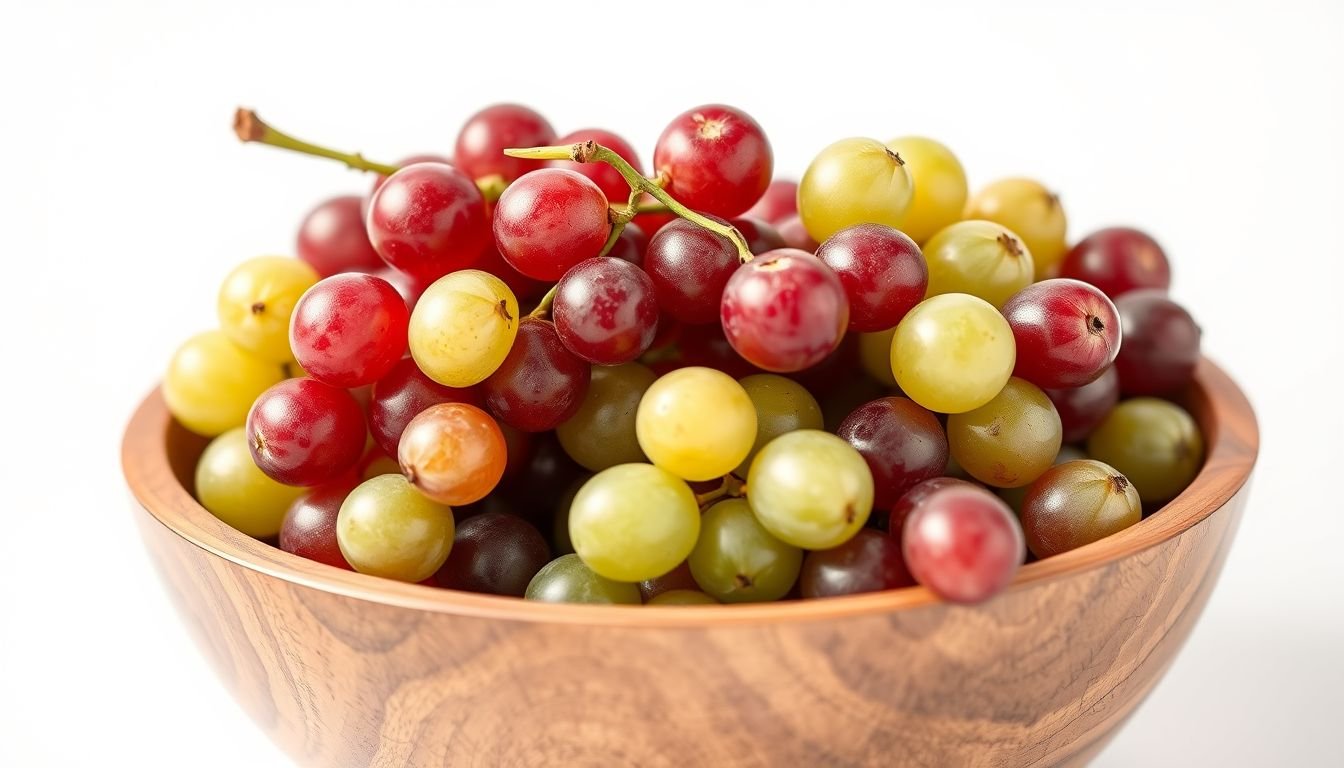

The primary differences between red and green grapes lie in their genetic makeup and antioxidant profiles. While both varieties provide essential nutrients like fiber and vitamins C and K, the distinct colors are the result of specific gene expressions that dictate the presence of different health-promoting compounds.
Genetic Basis of Grape Color
The variation in grape color is driven by a specific gene known as VvmybA1, which regulates the production of anthocyanins. In red, purple, and black grapes, this gene allows for the synthesis of these pigments, whereas in green grapes, the gene’s function is inhibited. Research indicates that a “jumping gene” or retrotransposon—a segment of DNA capable of moving within the genome—is responsible for this difference. In white grapes, this extra DNA piece is present on both copies of the color gene, preventing the production of pigment.
This genetic discovery suggests a different evolutionary path than previously assumed. Rather than red grapes evolving from darker varieties, evidence suggests that white grapes may have originated from a mutation in darker grapes. According to Judith Strommer, a molecular biologist, it is possible that all modern white grape varieties derived from a single ancestral vine.
Antioxidants and Nutrient Profiles
The color of the grape serves as a visual indicator of the dominant antioxidant present in the fruit. Understanding these chemical differences is similar to how scientists distinguish between other biological or technical variations, such as the difference between liger and tigon in hybrid animals.
Anthocyanins in Red Grapes
Red and purple grapes are rich in anthocyanins, a type of flavonoid. These powerful antioxidants are responsible for the dark pigmentation and offer several health benefits, including:
- Reduction of inflammation: Helping to lower the risk of heart disease and type 2 diabetes.
- Free radical removal: Assisting in the prevention of cellular damage and cancer.
Flavonols in Green Grapes
Green grapes contain a different set of antioxidants called flavonols, most notably quercetin. This compound is also found in apples and is recognized for its ability to reduce cholesterol and provide anti-inflammatory and anti-cancer properties.
The Role of Resveratrol
One of the most significant nutritional distinctions is the concentration of resveratrol, a polyphenol found predominantly in the skins of red and purple grapes. This compound is often cited as the reason red wine provides more health benefits than white wine, as the skins are kept during the red wine fermentation process.
Resveratrol acts as a protective agent for cells. As Julia Zumpano, a registered dietician, explains, these antioxidants function like a protective layer around cells, shielding them from environmental damage and bloodstream compounds. The primary benefits of resveratrol include:
- Lowering “bad” cholesterol levels to reduce the risk of strokes and cardiac events.
- Protecting brain health and potentially slowing cognitive decline.
Comparison of Grape Varieties
While the chemical compositions differ, both varieties are nutritionally valuable. The process of ripening, known as veraison, is when red and purple grapes begin to accumulate anthocyanins and change color, while green grapes maintain their hue. This biological process is as distinct as the technical differences found in the difference between electric and regular car batteries or the optical capabilities in the difference between James Webb telescope and Hubble telescope.
| Feature | Green Grapes | Red/Purple Grapes |
|---|---|---|
| Primary Antioxidant | Flavonols (Quercetin) | Anthocyanins |
| Resveratrol Levels | Low | High (concentrated in skin) |
| Genetic Marker | VvmybA1 inhibited | VvmybA1 active |
| Key Health Benefit | Cholesterol reduction | Anti-inflammatory/Heart health |
Ultimately, whether choosing red or green grapes, consumers benefit from a variety of antioxidants that support overall health and cellular protection.