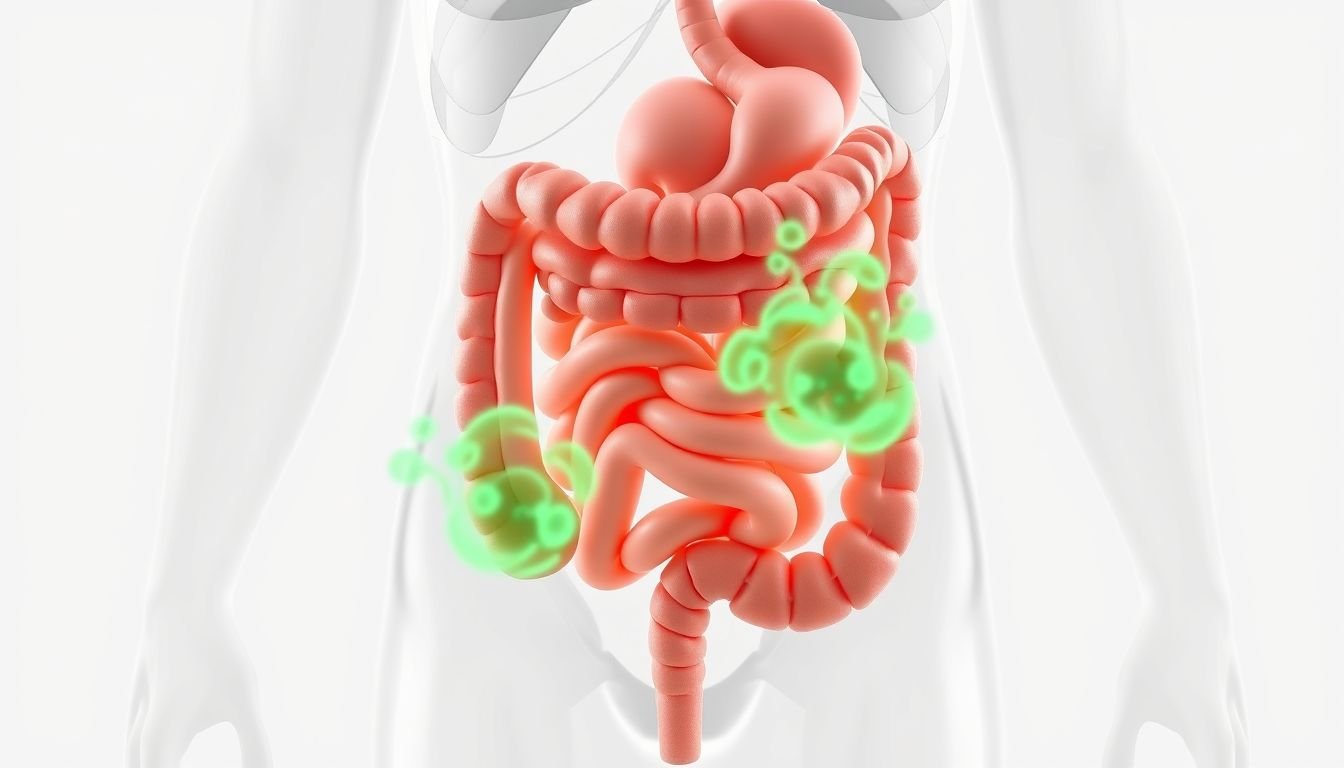

Flatulence is a common biological process, with the average person passing gas more than 20 times per day. While many believe that silent farts are smellier than loud ones, this perception is generally supported by the scientific explanation of gas composition and the speed of release. The difference in odor and sound is determined by the factors of gas volume, chemical composition, and the speed of excretion.
The Science of Loud Farts
Loud farts are typically characterized by a large volume of gas. This volume causes the sphincter muscle to vibrate as the gas passes through, creating the audible sound. These farts primarily consist of carbon dioxide, hydrogen, oxygen, and nitrogen. Because these gases are odorless and often result from swallowed air or the digestion of certain carbohydrates, loud farts are less likely to smell. Additionally, the gas is expelled quickly, reducing the concentration of odor-causing agents.
Why Silent Farts Smell
Silent farts are usually the result of gut fermentation. They are smaller in volume, which means they pass through the rectum slowly and without vibrating the sphincter, resulting in a silent release. The chemical composition of methane and sulfur is the primary driver of the odor. While methane is odorless, sulfur compounds are highly detectable by the human nose, which is why silent farts are often perceived as more pungent.
Factors That Make Farts Smelly
The odor of flatulence is determined by the following factors:
- Sulfur-rich foods: Consuming eggs, garlic, onion, red meat, and cruciferous vegetables (such as broccoli, Brussels sprouts, cabbage, cauliflower, and kale) can lead to smelly farts, regardless of the volume or sound.
- Food sensitivities: Sensitivities to FODMAPs (fermentable oligosaccharides, disaccharides, monosaccharides, and polyols) can cause increased gas production. These short-chain carbohydrates, found in lactose, fructose, and certain plant fibers, are fermented by gut bacteria in the large intestine.
- Gastrointestinal conditions: Conditions such as celiac disease, inflammatory bowel disease, and irritable bowel syndrome (IBS) can increase the odor of gas.
Common Questions About Flatulence
Do fart particles have germs?
While gas is composed of chemicals, the release of flatulence involves the expulsion of of small particles. However, the health risk associated with inhaling these particles is negligible for the average person.
Is inhaling fart smell bad?
Inhaling the smell of a fart is generally harmless. The odors are caused by sulfur compounds and unpleasant scents, but the gases themselves do not pose a significant health risk in typical domestic settings.
Which fart is healthy?
Passing gas is a sign of a healthy, functioning digestive system. It indicates that gut bacteria are processing food and fermentation is occurring. Regular flatulence is a normal biological function that prevents bloating and relieves pressure in the intestines.
Understanding the digestive process is part of a broader understanding of how the body’s anatomy works, much like how the overlooked part of your spine is essential for overall health.