Hawaii Mars Simulation Ends Early After Electric Shock Incident
A 2018 Mars simulation in Hawaii ended after a few days when an electric shock injured a scientist, leading to a crew shortage and mission termination.

A 2018 Mars simulation in Hawaii ended after a few days when an electric shock injured a scientist, leading to a crew shortage and mission termination.
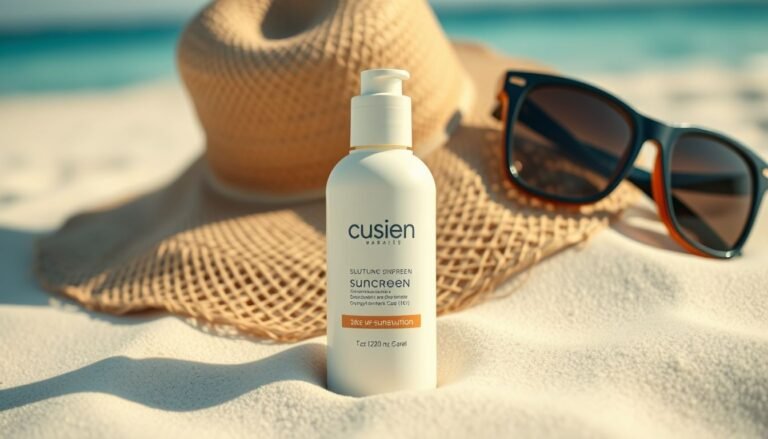
Learn the scientific truth about SPF, UV radiation, and tanning to protect your skin from melanoma and long-term sun damage through correct sunscreen application.
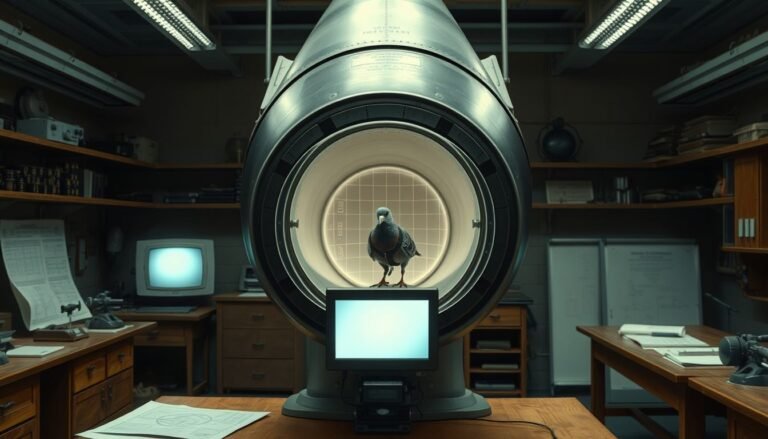
During WWII, B.F. Skinner led Project Pigeon, training birds to guide missiles using operant conditioning. Though never deployed, the project led to advancements in conductive screen technology for warships.
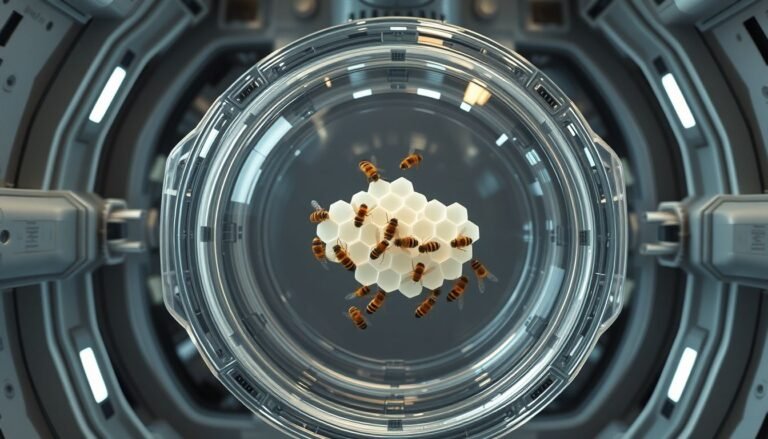
In 1984, NASA sent 3,301 honey bees into space during the STS-41C mission. The bees successfully built 200 cm² of honeycomb, proving they could organize and construct structures in microgravity.

Muriel Howorth founded the Atomic Gardening Association to promote nuclear energy's peaceful uses, encouraging citizens to grow irradiated plants and produce mutant crops like jumbo peanuts to democratize science.

Medical experts debunk dangerous myths regarding pain perception, revealing that unresponsive patients can feel pain and that vital signs are not always reliable indicators of physical suffering.
A new combination of antiretrovirals, neutralizing antibodies, and leronlimab has successfully eliminated HIV in nonhuman primates, offering hope for a one-time cure for infected newborns worldwide.
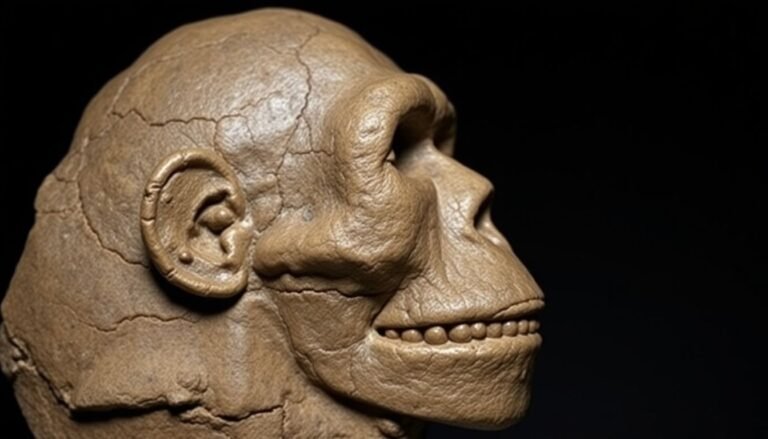
Scientists have digitally reconstructed the face of the 1.5-million-year-old DAN5 fossil, revealing a mix of primitive and advanced traits that complicate the traditional linear timeline of human evolution.
Science debunks the myth that reading in dim light causes permanent eye damage, explaining that while it causes temporary strain, natural light is crucial for children's vision development.
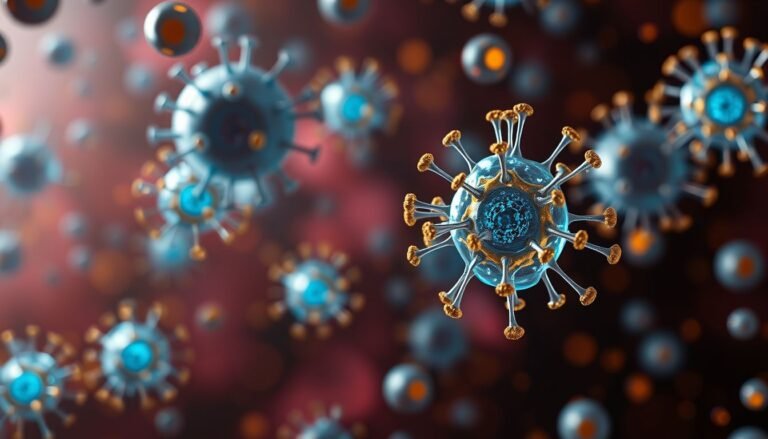
Scientists have discovered that supercentenarians (110+) possess unusually high levels of CD4 cytotoxic T lymphocytes, suggesting these rare immune cells help the body fight threats and potential cancers in extreme old age.
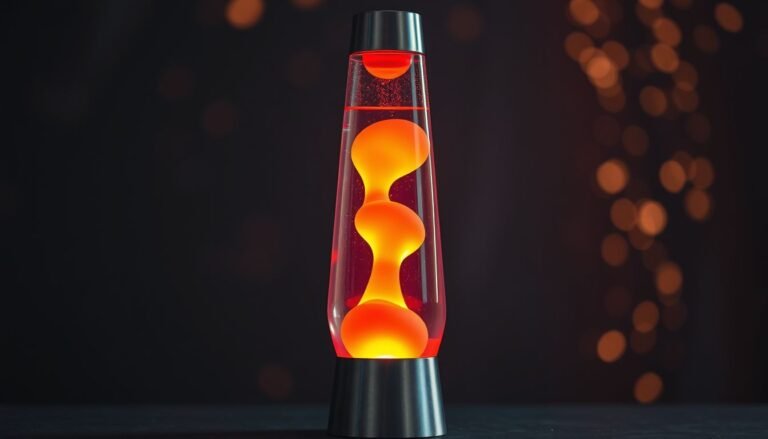
Explore how the iconic lava lamps of the 1970s utilize the science of soft fascination and Attention Restoration Theory to help the human brain recover from mental fatigue.
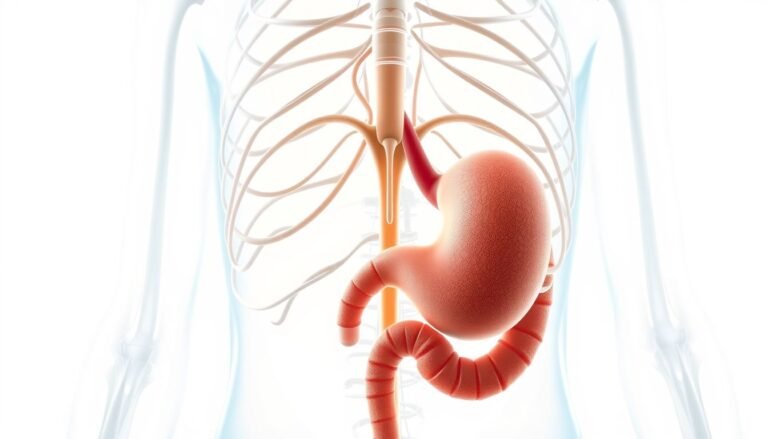
Explore the scientific reality behind common vomiting misconceptions. This article debunks myths regarding food poisoning timelines, the dangers of induced vomiting, and the medical significance of blood color in emesis.