
Washing fresh produce immediately after purchase is a common habit intended to remove microbes and debris. However, washing fruit before storage often accelerates the rate of spoilage and can promote the growth of the very pathogens consumers aim to avoid. To maximize shelf life and maintain food safety, the timing of the cleaning process is critical.
Why Timing Matters for Fruit Washing
The primary reason for avoiding early washing is moisture. When fruits are washed and then placed in the refrigerator while still damp, they create an ideal environment for mold and fungus to thrive. This is particularly evident in fruits with high water and sugar content and thin skins, which are highly susceptible to rapid decay.
For many types of produce, moisture trapped in storage containers or on the surface of the fruit breaks down cellular structures more quickly, leading to soft spots and premature rotting. Consequently, the most effective practice is to wash fruit immediately before consumption rather than upon arrival from the store.
Fruits That Should Not Be Washed Before Storage
Certain fruits possess natural biological defenses that are stripped away during the washing process, leaving them vulnerable to external threats.
Berries and Soft Fruits
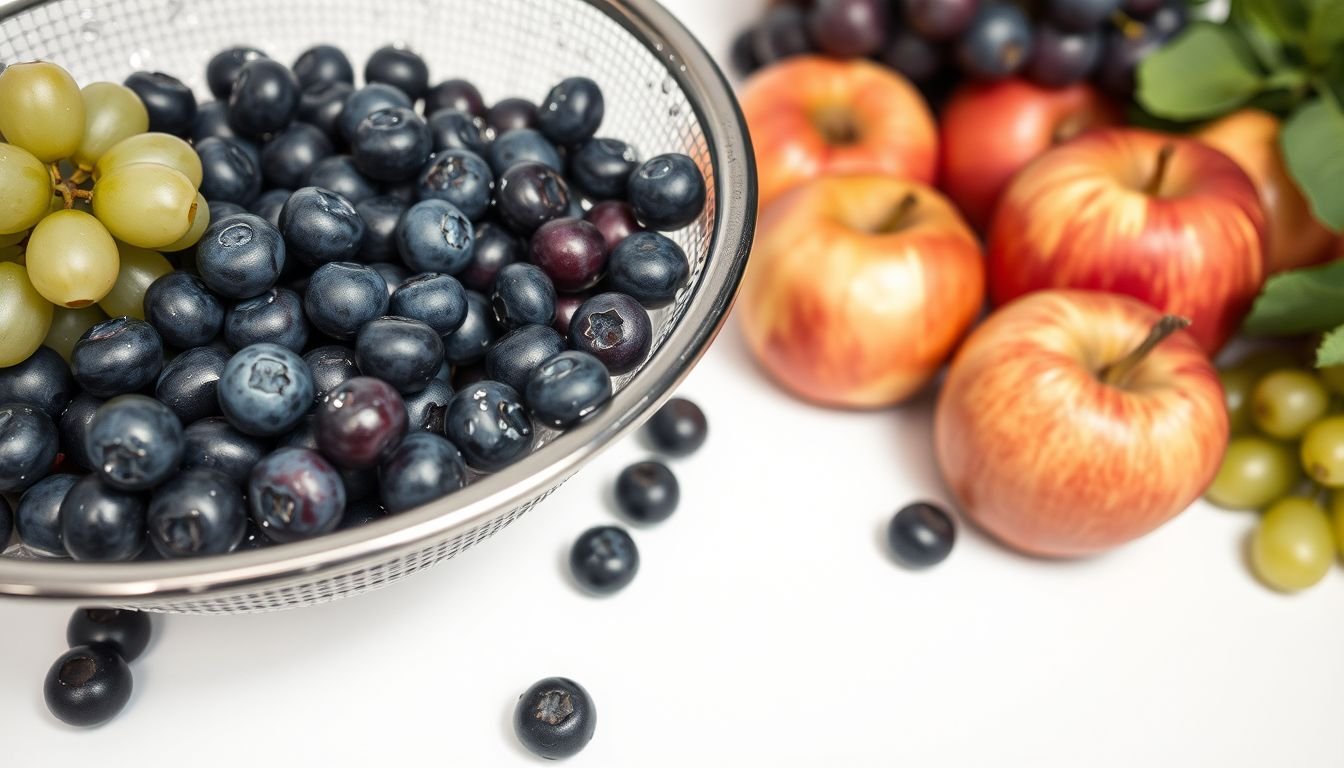
Berries are among the most sensitive produce. Their combination of thin skins and high sugar levels makes them a prime target for mold. If washed before storage, the residual moisture triggers fungal growth. While the mold found on berries is generally non-toxic and unlikely to cause illness, it renders the fruit unpalatable and necessitates disposal.
Grapes and the Natural Bloom
Grapes often feature a white, dusty-looking layer on their skin known as the bloom. This is not dirt, but a natural protective coating. Washing this bloom off removes the fruit’s primary defense against microbes, increasing the likelihood of fungal infections and reducing the overall shelf life of the bunch.
Apples and Waxy Coatings
Apples have a natural waxy exterior that protects the inner fruit from pathogens and insects. In commercial processing, this natural wax is often removed and replaced with a food-grade wax to maintain protection. Washing apples before refrigerating them removes these barriers, making the fruit more susceptible to degradation.
Stone Fruits
Peaches and plums have delicate skins that are easily damaged. Stephanie Smith, a food science professor, notes that soft fruits and vegetables prone to damage or rapid mold growth should be kept dry and washed only just before use. Storing these fruits in a wet environment significantly increases the probability of spoilage.
How Should You Wash Fruit to Maximize Shelf Life
While the timing is crucial, the method of washing also impacts the quality of the produce. To ensure the highest safety and quality standards, follow these guidelines:
- Wash just before eating: This prevents moisture from sitting on the fruit during storage.
- Use vinegar solutions for berries: Rinsing berries in a mixture of water and vinegar has proven more effective than using water alone. Ensure you rinse the fruit with plain water afterward to remove any acidic taste.
- Dry thoroughly: If you must wash fruit before storing it, ensure it is completely dry. Use a paper towel or a salad spinner to remove excess moisture.
- Allow for airflow: When storing berries, avoid crowding them. Providing space between the fruits allows them to breathe, which slows the rate of mold development.
Is It Better to Wash Fruits With Vinegar or Baking Soda
When considering whether to use vinegar or baking soda, the choice often depends on the goal. Vinegar is particularly effective for berries as it helps kill mold spores, extending their usability. Baking soda is often discussed in the context of removing certain pesticide residues, although it is important to note that washing produce—regardless of the solution—will not remove all pesticide residues.
Managing Mold on Fresh Produce
Identifying when to discard fruit is essential for food safety. The approach differs based on the moisture content of the produce:
- Low-moisture produce: For firm vegetables and fruits like carrots, bell peppers, or cabbage, small mold spots (one inch in diameter or less) can typically be cut away. The remaining non-moldy part is generally safe to eat.
- High-moisture produce: For berries and other soft fruits, any visible mold typically indicates that the spores have penetrated deep into the fruit. In these cases, the affected berries should be disposed of immediately.
Is It Really Bad to Not Wash Fruit
Skipping the washing process entirely is not recommended. Fresh produce can carry dirt, debris, and various surface contaminants from the farm and transport process. Rinsing produce under running water is a fundamental safety step to remove these impurities. The goal is not to avoid washing, but to optimize the timing to balance food safety with the preservation of the fruit’s natural protective properties.