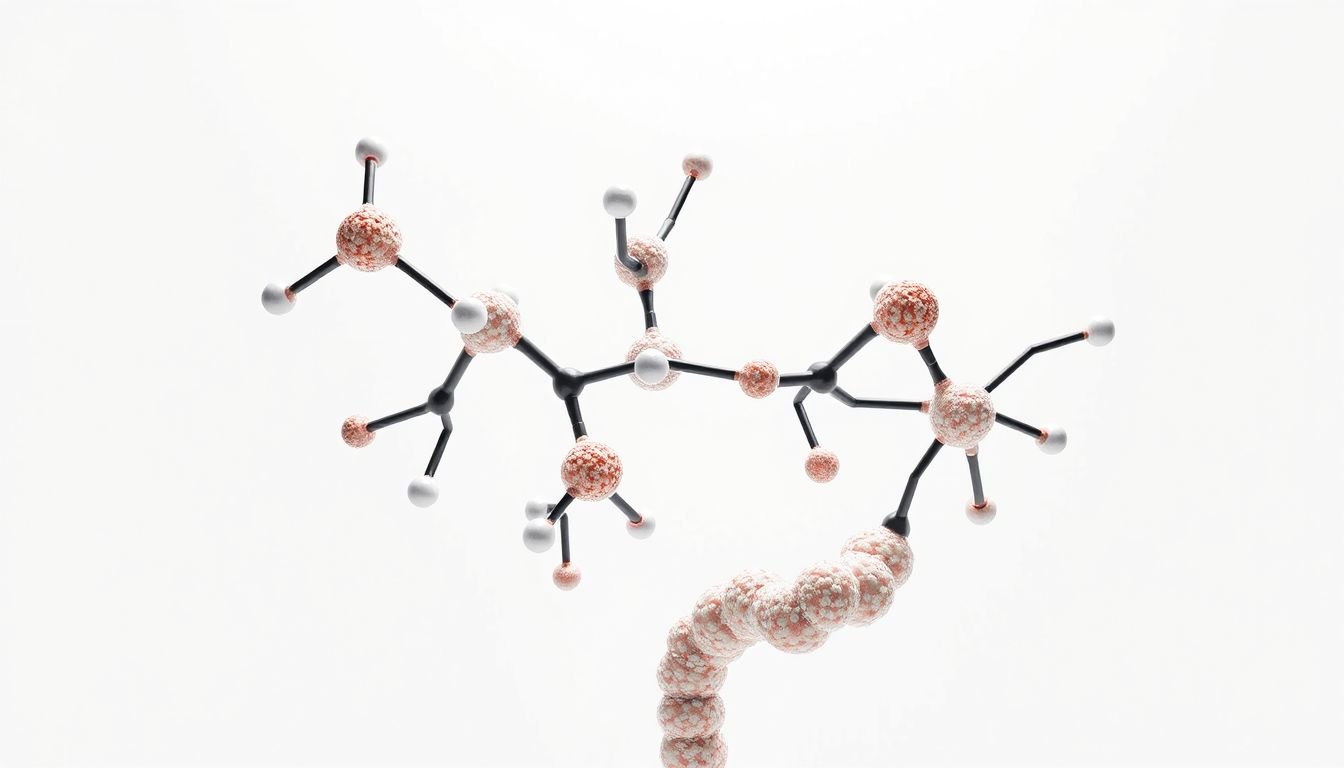

Flatulence is a natural biological process resulting from the breakdown of food by bacteria in the large intestine. While most of the gas produced is odorless, a small fraction of sulfur-containing gases creates the distinct smell associated with flatulence. The difference between smelly and odorless farts is primarily determined by the gas composition of the emission.
The Chemistry of Odor
Most flatulence consists of odorless gases such as nitrogen, hydrogen, carbon dioxide, methane, and oxygen. These gases make up over 99% of the total volume of a fart. However, the remaining 1% or less consists of volatile sulfur compounds that produce strong smells. According to a study published in Gut, the primary culprits are three specific sulfur gases:
- Hydrogen sulfide: Produces a smell similar to rotten eggs.
- Methanethiol: Creates a cabbage or garlic-like odor.
- Dimethyl sulfide: results in a milder, cooked-vegetable scent.
Research indicates that hydrogen sulfide is the most prevalent of these sulfur gases, often occurring in concentrations five times higher than methanethiol. In some studies, female participants exhibited higher odor intensity and concentrations of hydrogen sulfide than male participants.
Foods That Trigger Smelly Gas
The amount of sulfur-containing gases produced is directly linked to the types of foods consumed. A study published in Heliyon identifies several sulfur-rich foods that contribute to more odorous gas:
- Proteins: Red meat, poultry, fish, and eggs.
- Vegetables: Cruciferous vegetables (such as broccoli and cabbage), onions, and garlic.
- Dairy: Milk, yogurt, and mature cheeses.
- Fruits: Durian, strawberries, watermelon, and kiwi.
- Legumes: Beans, nuts, and seeds.
Just as there are distinct differences in how biological systems work, such as the difference between Liger and Tigon, the chemical composition of gas depends on the chemical precursors available to the bacteria in the gut.
Do Stinky Farts Mean an Unhealthy Gut?
In most cases, foul-smelling gas is a result of diet rather than a medical condition. However, if bad smelling gas and bloating occur suddenly or are accompanied by severe pain, it may indicate a gastrointestinal issue. While people often search for a home remedy for bad smelling gas fast, the most effective treatment for smelly farts is usually dietary adjustment. Understanding the different fart smells and what they mean typically points back to the types of sulfur compounds being broken down.
Frequently Asked Questions
Is it healthier to have smelly farts or not smelly farts?
There is no inherent health benefit to one or the other; the smell is simply a byproduct of the chemical reaction between gut bacteria and sulfur-containing foods.
How far away can someone smell a fart?
The distance is determined by the air current and the concentration of sulfur compounds. Because these gases are volatile, they disperse quickly in open spaces but linger in enclosed environments.
What kills fart smells?
Reducing the intake of sulfur-rich foods and maintaining a balanced diet can reduce the odor. Some people find that probiotics or dietary changes help manage the foul smelling gas and bloating associated with certain foods.
Comparing the chemical differences in gas production is similar to comparing the technical differences in hardware, such as the difference between electric and regular car batteries or the difference between James Webb Telescope and Hubble Telescope, where specific components determine the final output.