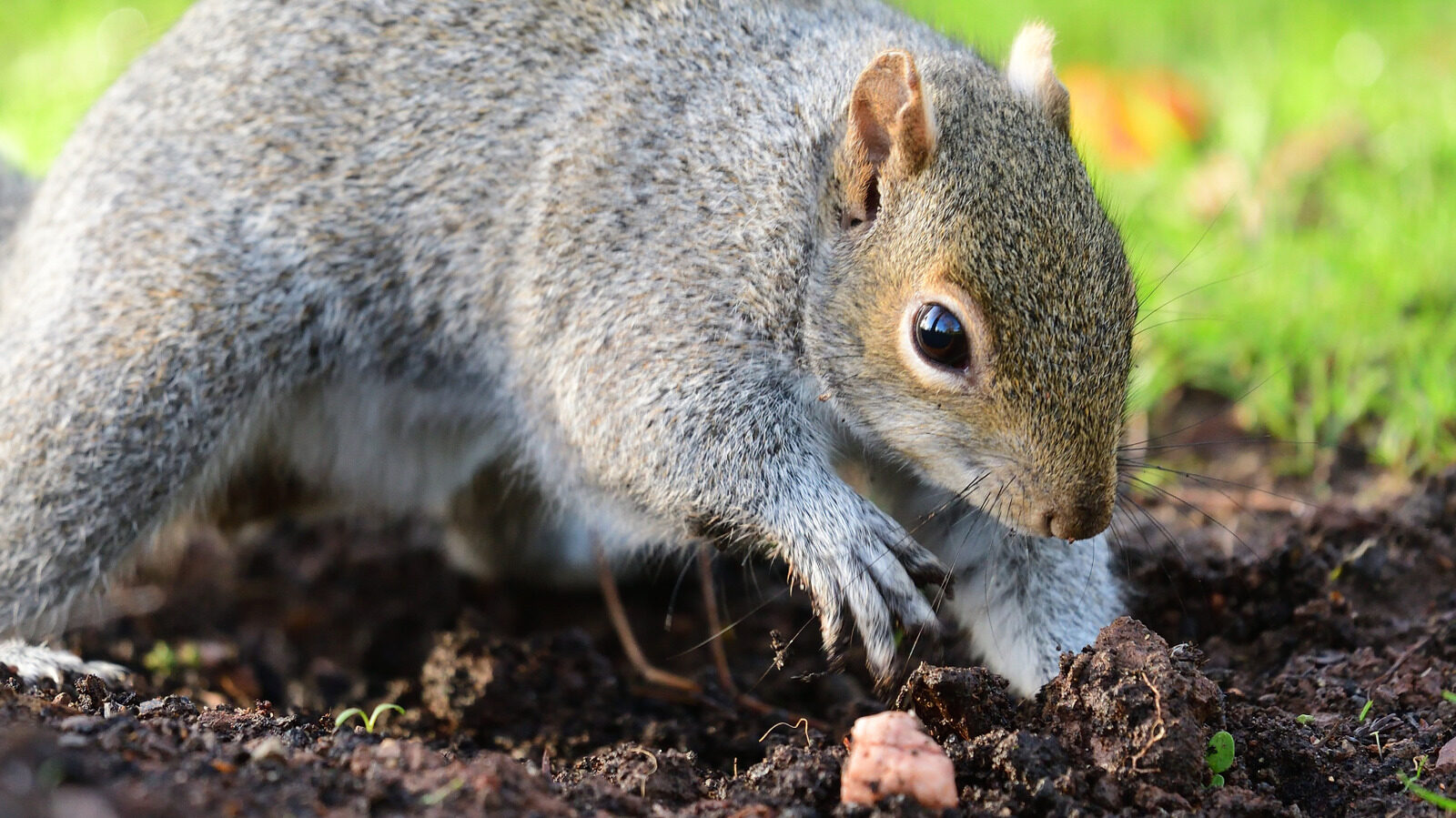

Squirrels are fascinating creatures known for their unique behaviors, especially when it comes to food storage. One of the most intriguing aspects of their behavior is their tendency to bury some nuts while consuming others. This article delves into the theories surrounding this behavior, exploring the complexities of squirrel decision-making, the influence of perishability, and the role of tannins in their food choices.
Understanding squirrel food storage behaviors
When observing squirrels, one cannot help but notice their remarkable ability to forage and store food. This behavior is crucial for their survival, especially during winter months when food is scarce. While it may seem trivial, the decision to bury or eat a nut involves a complex assessment of various factors. Researchers have identified several theories that attempt to explain why squirrels exhibit this behavior.
Key factors influencing whether squirrels bury or eat nuts include:
- Time cost: The amount of time required to eat a nut versus caching it.
- Perishability: How quickly a nut will go bad and the implications for future food availability.
- Tannin content: The presence of tannins in nuts and their effects on digestion.
Exploring the perishability theory
The perishability theory suggests that the rate at which a nut deteriorates significantly influences a squirrel’s decision to eat or cache it. While some studies, like the one conducted by Dr. Lucia F. Jacobs in 1992, indicate that handling time was a critical factor, subsequent research has challenged this view.
In a 1996 study published in Animal Behaviour, researchers found that decay rate indeed plays a substantial role in the squirrels’ food choices. For example, acorns from red oak trees tend to last longer than white acorns, which germinate sooner.
Key observations from the study include:
- Squirrels preferred to eat white acorns immediately.
- They buried red acorns, which can remain viable for a more extended period.
- The squirrels actively removed the embryo from the red acorns to prevent germination.
These findings imply that perishability is a significant factor in how squirrels prioritize their food storage strategies, emphasizing the importance of long-term food security in their decision-making process.
The role of tannins in food selection
The tannin theory provides another layer of understanding to squirrel food storage behavior. Tannins are naturally occurring polyphenolic compounds found in many nuts and seeds. They can impact digestion and nutrient absorption due to their ability to inhibit enzymes in the gut.
For squirrels, this presents a dilemma: consuming high-tannin foods can lead to malnutrition or health issues. However, tannins can also leach out over time, making buried nuts less toxic. A notable study published in Ecology in 1986 demonstrated that grey squirrels were more inclined to consume foods with lower tannin levels.
Insights from research on tannins include:
- Tannins can lead to dehydration, ulcers, and kidney problems in squirrels.
- Burial of nuts allows for tannin leaching, reducing toxicity.
- Squirrels may estimate the deterioration rate of nuts based on their tannin content.
This suggests that squirrels might weigh both the immediate risks of consuming high-tannin foods against the long-term benefits of storing potentially toxic nuts for later consumption.
Decision-making processes in squirrels
The decision-making processes of squirrels regarding food storage are complex and multifaceted. Research has shown that several factors come into play when squirrels decide whether to bury or consume food. These factors include the availability of food, competition, and environmental conditions.
Some critical aspects of their decision-making include:
- Environmental cues: Squirrels often adjust their behavior based on the presence of other animals and food sources.
- Memory: Squirrels have excellent spatial memory, allowing them to remember where they have buried their food.
- Seasonal changes: As seasons change, so do the types of food available, impacting caching behavior.
Understanding these factors can shed light on the adaptability and intelligence of squirrels, highlighting their ability to navigate a complex environment for survival.
Implications for ecosystem dynamics
The behaviors of squirrels regarding nut caching have broader implications for ecosystem dynamics. As they bury nuts, squirrels inadvertently plant seeds, contributing to forest regeneration. This behavior is particularly vital in areas where tree populations are declining due to disease or climate change.
Key ecological benefits of squirrel caching include:
- Seed dispersal: Squirrels help in the dispersal of various tree species, promoting biodiversity.
- Forest growth: The germination of buried seeds can lead to the growth of new trees, which is crucial for maintaining healthy ecosystems.
- Food web interactions: Squirrel activity influences other animals, creating a balanced ecosystem.
Thus, understanding squirrel behavior not only illuminates their survival strategies but also underscores their role in maintaining ecological balance.
Conclusion on the complexities of squirrel behavior
The study of squirrel behavior, particularly their tendency to bury some nuts while consuming others, reveals a complex interplay of factors. From perishability and tannin content to decision-making processes influenced by environmental cues, each element contributes to their survival strategy. By exploring these intricacies, we gain valuable insights into the behavior of these remarkable creatures, as well as the roles they play in their ecosystems.