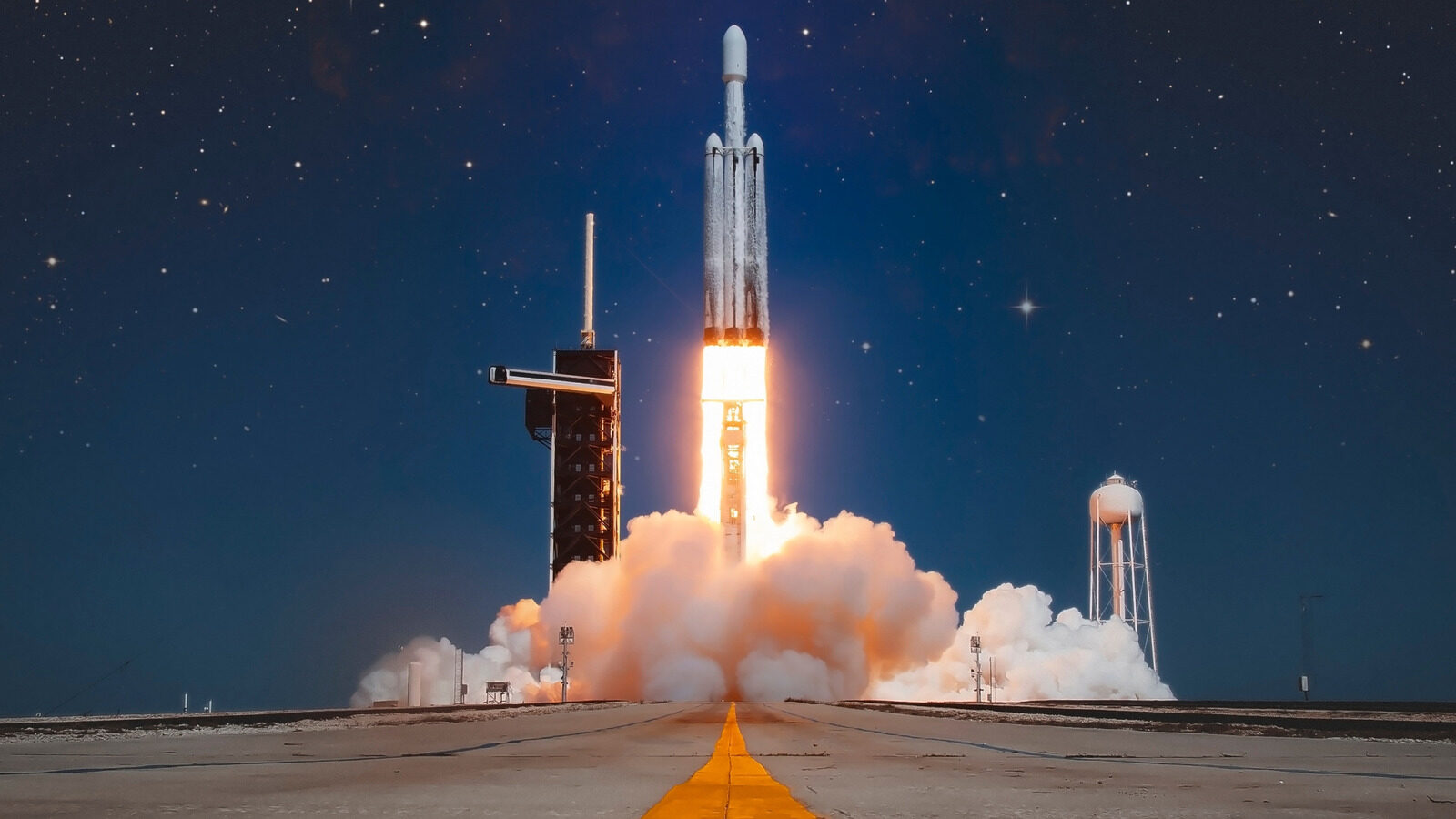

When we think of rocket launches, we often envision the thrilling spectacle of flames and smoke as a spacecraft breaks free from the earth’s grasp. However, there is an unseen hero playing a crucial role in this process: water. NASA’s innovative use of water during rocket launches not only serves to dampen the flames but also addresses several critical concerns associated with the immense power of modern rockets. Let’s explore the fascinating workings of this water deluge system and its vital contributions to successful launches.
The role of water in rocket launches
The dramatic visuals we witness during a rocket launch are not merely the result of exhaust gases but also a significant amount of steam generated by a carefully orchestrated water system. NASA’s rockets, particularly those powered by liquid hydrogen and liquid oxygen, create clouds of vapor as supercooled fuels are released. In addition to this natural occurrence, NASA employs a water deluge system to further enhance safety and performance during liftoff.
This system is designed to release an astonishing 450,000 gallons of water within a minute of launch, creating a protective barrier of steam. To put this into perspective, this amount of water is equivalent to the average American’s water usage over several years. Yet, the primary purpose of this deluge is not just for the dramatic aesthetic; it serves vital functional roles.
Understanding the water deluge system
The water deluge system, also referred to as a sound and fire suppression system, plays a dual role during a rocket launch. It is essential for:
- Fire suppression: The intense heat generated during the combustion of rocket fuel can be detrimental to the launchpad’s surface. The water jets create a thick cloud of steam that acts as a barrier between the rocket and the ground, preventing damage.
- Sound suppression: Rocket launches produce incredibly loud sound waves, reaching levels around 200 decibels. This can not only disturb the surrounding environment but also risk damaging sensitive onboard equipment.
By utilizing this system, NASA is able to mitigate both thermal and acoustic risks, ensuring a smoother and safer launch experience.
The significance of sound suppression
One of the lesser-known aspects of rocket launches is the destructive power of sound. The decibel levels generated during a launch can be staggering, often surpassing those of a jet plane. This extreme noise can have far-reaching effects, including:
- Triggering car alarms up to 10 miles away from the launch site.
- Causing physical damage to nearby structures.
- Potentially harming wildlife and natural habitats.
NASA has implemented the water deluge system to combat these challenges. By spraying water onto the launchpad, they can effectively reduce the sound intensity from 200 dB to approximately 142 dB, a level comparable to that of a typical firework.
Impact on rocket safety and performance
In addition to protecting the launchpad and minimizing sound, the water deluge system plays a crucial role in ensuring the safety of the rocket and its crew. The combination of heat and sound pressure generated during a launch poses risks not just to the environment but also to the integrity of the spacecraft itself.
The cushioning effect of the water jets helps to:
- Absorb the intense acoustic energy, safeguarding sensitive instruments and systems onboard.
- Prevent overheating of critical components, which could lead to catastrophic failures during ascent.
- Enhance the overall launch trajectory by stabilizing the rocket as it lifts off.
This complex interplay between water, sound, and fire suppression highlights the advanced engineering involved in modern rocket launches.
Technological advancements in water deluge systems
NASA’s water deluge system has evolved significantly over the years, integrating advanced technology to improve its effectiveness. The latest iteration, utilized in the Artemis program, reflects cutting-edge engineering designed to meet the demands of contemporary space exploration.
Some key features of this updated system include:
- Precision control: Enhanced monitoring systems allow for accurate timing and distribution of water, optimizing the suppression process.
- Adaptability: The system can be modified to meet the unique requirements of different rocket designs and mission profiles.
- Environmental considerations: Efforts are made to ensure minimal ecological impact, incorporating sustainable practices in water usage and disposal.
Conclusion: A vital component of modern space missions
NASA’s innovative use of water during rocket launches exemplifies the intricate balance between safety, performance, and environmental responsibility in space exploration. As we move forward into a new era of space travel, understanding and improving systems like the water deluge will be essential for the success of missions like Artemis, which seeks to return humans to the Moon and beyond.
In the grand scheme of aerospace engineering, the water deluge system is a testament to the importance of addressing the multifaceted challenges presented by rocket launches. As we witness the next generation of spacecraft take to the skies, we can appreciate the unseen efforts that go into making these historic moments possible.