
Spiders are among the most fascinating yet misunderstood creatures in the animal kingdom. Many people find them creepy, but their biology offers a captivating glimpse into how they function. One intriguing aspect of their life cycle is how they behave after death, particularly their tendency to curl up. This article explores the reasons behind this phenomenon, shedding light on the intricate mechanisms that govern spider anatomy and physiology.
Understanding the biology of spiders
To comprehend why spiders curl up upon death, it’s essential to understand their unique biological systems. Unlike mammals, spiders possess a hydraulic system that relies on hemolymph, a fluid analogous to blood in vertebrates. This system allows them to move their limbs effectively without relying on traditional muscles.
Spiders have a rigid exoskeleton that cannot expand or contract like the muscles of more complex organisms. Instead, they utilize a combination of pressure and fluid dynamics to control their movements. The hemolymph is pumped into their legs to extend them, enabling mobility. When spiders die, however, this system fails, leading to a series of observable changes.
- Hemolymph Pressure: This fluid is crucial for leg movement.
- Exoskeleton Mechanics: Spiders have a hard outer shell that limits muscle movements.
- Hydraulic Limitation: Once the spider dies, the hemolymph pressure decreases, affecting mobility.
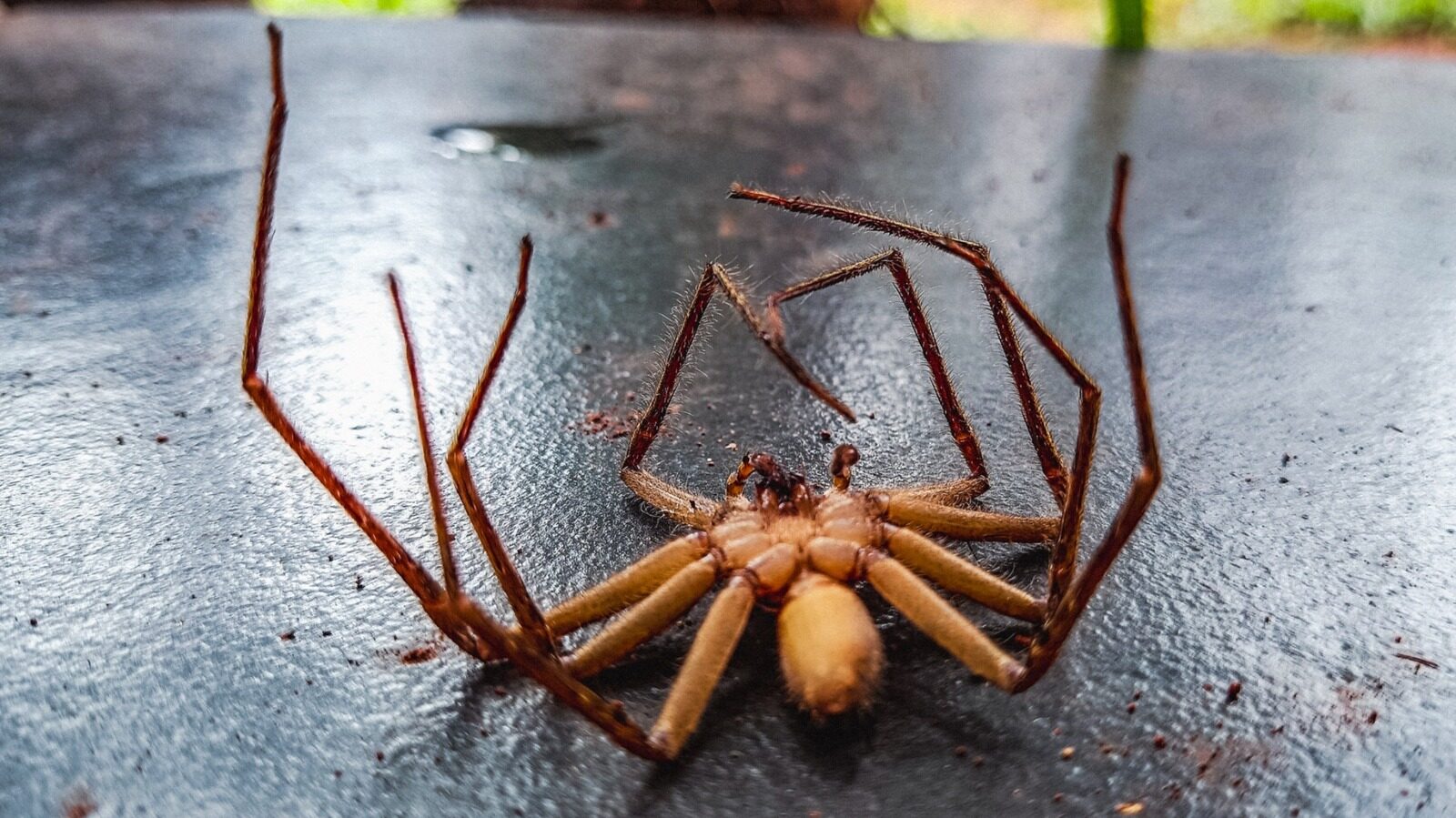
Why spiders curl up when they die
As a spider approaches death, its hemolymph pressure drops significantly. This loss of pressure causes the legs to lose their rigidity and curl inward. The mechanics behind this phenomenon can be broken down into several factors:
- Loss of Control: Dying spiders cannot regulate their hemolymph, resulting in curled legs.
- Joint Structure: Spiders only have flexor muscles, which means they cannot extend their legs once the fluid pressure is gone.
- Biological Design: The spider’s design allows for powerful grip but limits movement flexibility once dead.
The role of gravity in positioning
Interestingly, the way spiders end up on their backs after dying is influenced by basic physical principles. Every object has a center of mass, which is crucial in determining balance and stability. For spiders, their cephalothorax and abdomen are relatively heavier than their legs, which means that when they lose control of their limbs, gravity takes over.
When a spider is alive, it can maintain an upright position even if flipped over. However, once weakened by death, they lack the strength to regain balance. This leads to the common sight of spiders lying on their backs with curled legs, a position that is not just random but dictated by the laws of physics.
Examples of spiders exhibiting this behavior
Various species of spiders demonstrate this curling behavior upon death. Here are some notable examples:
- Tarantulas: Known for their large size and hairiness, tarantulas curl their legs inward after death.
- Wolf Spiders: Agile hunters, these spiders also exhibit the same curling behavior.
- Goliath Birdeater: The largest spider species, it too is found in a curled position post-mortem.
The advantages and disadvantages of hydraulic systems
Spider anatomy exemplifies a fascinating hydraulic system that has both benefits and drawbacks. Here’s a breakdown of each:
| Advantages | Disadvantages |
|---|---|
| Powerful Grip: | Loss of mobility upon death. |
| Ability to Climb: | Limited movement flexibility due to lack of extensors. |
| Efficient Energy Use: | Dependence on hemolymph pressure for movement. |
This unique system allows spiders to exert significant force with their legs, making them effective predators. However, it also means that once they lose control of this hydraulic system, they cannot regain their former mobility, leading to the curling behavior observed after death.
Comparative anatomy: Spiders vs. insects
While both spiders and insects share some similarities as arthropods, their anatomical differences highlight why spiders behave differently upon dying. For instance:
- Muscular Systems: Insects have a different muscular structure that includes both flexor and extensor muscles, allowing for greater mobility even after death.
- Body Structure: Insects tend to have a more balanced body structure, reducing the likelihood of flipping over on their backs.
- Hemolymph Function: Both use hemolymph, but the control mechanisms differ significantly.
Conclusion on spider mortality and behavior
The curling behavior of spiders upon death is not merely a peculiar trait but an interesting interplay of biology and physics. By understanding the hydraulic systems and structural mechanics involved, we can appreciate the complexity of these creatures. Their unique adaptations, while advantageous for survival, also come with limitations that become evident in their final moments. This realization shifts our perspective, allowing us to see spiders not just as creepy crawlies, but as remarkable examples of evolution and design.