
Gorillas are one of the most fascinating and majestic animals on our planet. Among them, the eastern lowland gorilla stands out not just for its size but also for its unique characteristics and critical conservation status. Understanding these magnificent creatures is essential for their preservation and for appreciating the biodiversity of our world.
In this article, we will delve into the remarkable features of eastern lowland gorillas, explore their endangered status, and discuss the conservation efforts in place to protect them.
The remarkable size and strength of eastern lowland gorillas
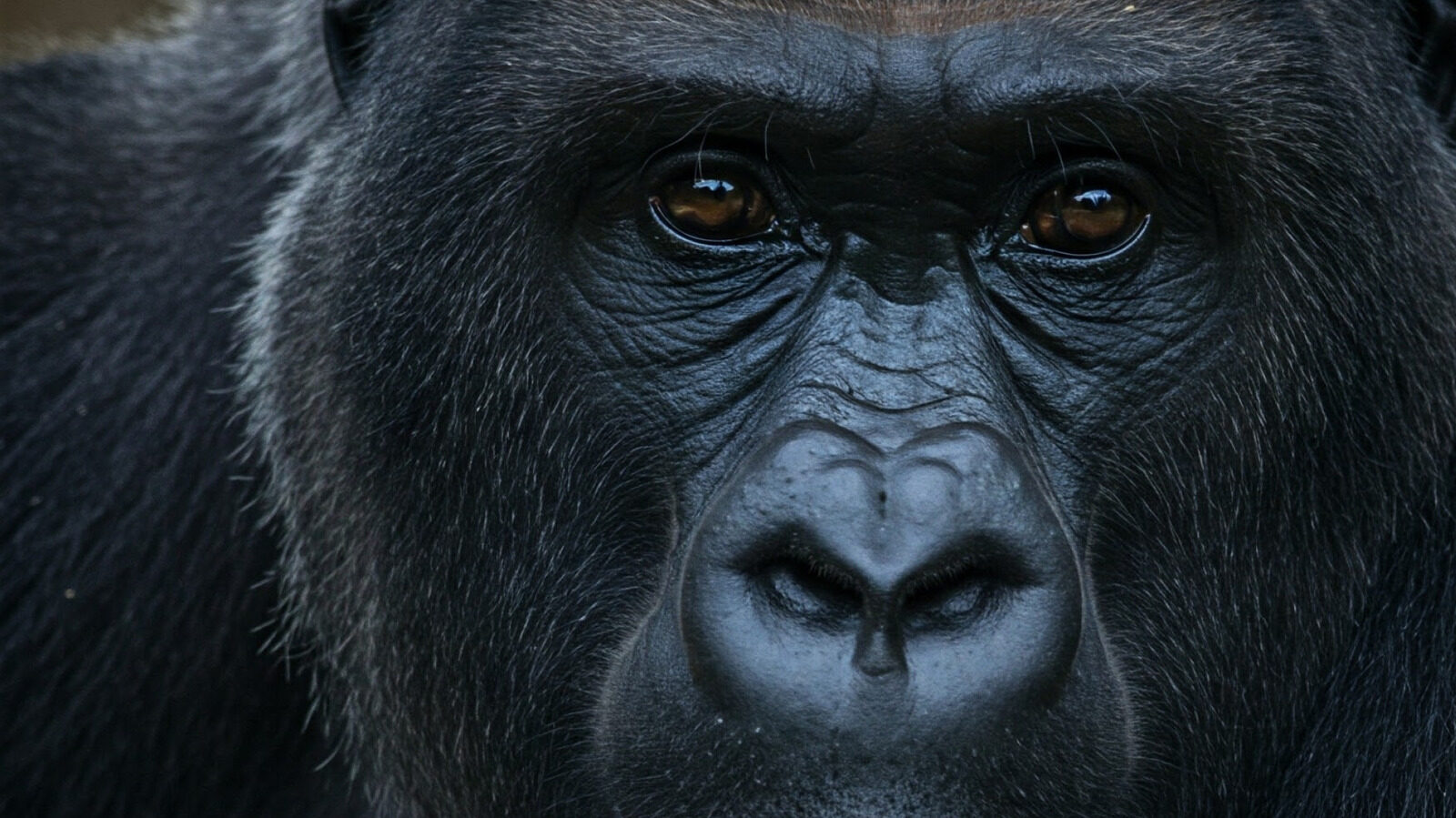
The eastern lowland gorilla, known scientifically as Gorilla beringei graueri, is the largest of all gorilla subspecies and holds the title of the biggest primate on earth. These magnificent beings are predominantly found in the eastern regions of the Democratic Republic of the Congo.
Fully grown eastern lowland gorillas typically stand between five and six feet tall, with males weighing anywhere from 220 to 460 pounds. To put this in perspective, the average adult male in the United States stands about five feet, nine inches tall and weighs around 200 pounds, according to the CDC.
Unlike humans, who can have a range of body compositions, gorillas are incredibly muscular and have about 20% body fat compared to the average human adult male’s higher percentage. Their strength is one of the main reasons they are revered in the animal kingdom; gorillas can lift up to ten times their body weight, making them extraordinary athletes in the wild.
Here are some interesting facts about the physical attributes of eastern lowland gorillas:
- Adult males, known as silverbacks, exhibit significant sexual dimorphism, meaning they are much larger than females, who typically weigh around 215 pounds.
- Eastern lowland gorillas are characterized by a robust build, with broad chests and strong limbs that contribute to their powerful physique.
- Their diet consists primarily of plant material, including leaves, stems, and fruits, which aids in their substantial muscle development.
- They possess long arms that are about 1.5 times the length of their legs, which assists in climbing and foraging.
The critical conservation status of eastern lowland gorillas
Despite being the world’s largest primates, eastern lowland gorillas are facing severe threats that jeopardize their survival. Currently, they are classified as critically endangered on the IUCN Red List, with an estimated population of only 2,600 mature individuals remaining in the wild.
Several factors contribute to the alarming decline in their population:
- **Habitat destruction**: The primary threat is the loss of habitat due to logging, mining, and agricultural expansion. The Democratic Republic of the Congo has one of the highest deforestation rates globally, which severely impacts the gorilla’s natural habitat.
- **Poaching**: Armed conflict and economic instability have led to increased poaching, with gorillas hunted for bushmeat or captured for illegal wildlife trade.
- **Disease**: Eastern lowland gorillas are susceptible to diseases, especially those transmitted from humans, such as Ebola, which can decimate populations.
- **Civil unrest**: Ongoing conflicts in the region disrupt conservation efforts and make it challenging to monitor and protect gorilla populations.
Efforts to save the eastern lowland gorilla
Organizations and governments are working tirelessly to combat the threats facing eastern lowland gorillas. Conservation strategies are being implemented to ensure the survival of this remarkable species. Some of these efforts include:
- Protected areas: Establishing national parks and reserves helps safeguard gorilla habitats from encroachment and exploitation.
- Community engagement: Involving local communities in conservation efforts encourages sustainable practices and reduces poaching. Educational programs raise awareness about the importance of protecting wildlife.
- Anti-poaching initiatives: Employing rangers and using technology for surveillance helps in the direct protection of eastern lowland gorillas from poachers.
- Research and monitoring: Ongoing studies on gorilla populations and their habitats provide crucial data to inform conservation strategies and assess the health of populations.
The importance of gorilla conservation
Protecting eastern lowland gorillas is about more than just saving a single species. Gorillas play a vital role in their ecosystems. As herbivores, they help maintain the health of forest environments by dispersing seeds and promoting plant growth. Their presence indicates a healthy ecosystem, which benefits numerous other species.
The decline of eastern lowland gorillas also serves as a warning sign for broader environmental issues. Their plight highlights the challenges of deforestation, climate change, and human-wildlife conflict. By prioritizing gorilla conservation, we are also investing in the health of our planet and its biodiversity.
Conclusion: A call to action for gorilla preservation
In summary, the eastern lowland gorilla is a magnificent creature facing severe threats to its survival. Understanding their incredible biology, the challenges they face, and the importance of concerted conservation efforts is crucial. As individuals, we can contribute to their preservation by supporting conservation organizations, raising awareness, and advocating for sustainable practices that protect their habitats.
Every action counts, and together, we can create a future where eastern lowland gorillas thrive in the wild, continuing to inspire and captivate the hearts of all who encounter them.