
In August 1993, a hiking expedition in the Khamar-Daban mountain range of southern Siberia ended in a catastrophic event that left six people dead and only one survivor. Led by an experienced instructor, the group encountered a sudden and violent onset of symptoms that incapacitated the hikers in rapid succession, leaving the cause of death a subject of intense debate for over three decades.
The Details of the Khamar-Daban Expedition
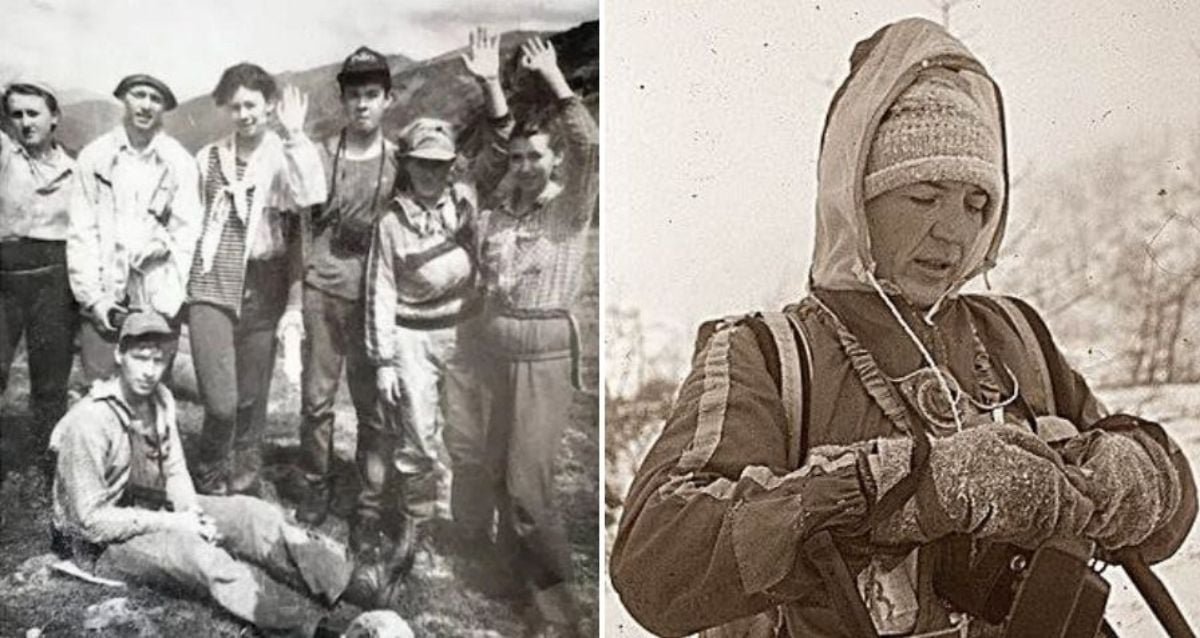
The group originated from the Azimut tourist club in Petropavl, northern Kazakhstan. The expedition was led by Lyudmila Korovina, a 41-year-old Master of Sports with extensive experience in wilderness survival. She was accompanied by six students, aged between 15 and 24:
- Tatiana Filipenko (24)
- Alexander Krysin (23)
- Denis Shvachkin (19)
- Valentina Utochenko (17)
- Viktoriya Zalesova (16)
- Timur Bapanov (15)
Preparations for the trip began six months in advance, with a strict schedule and calculated food rations. On August 2, 1993, the team entered the Buryatia region. By August 4, they had reached Retranslyator Peak, but a severe rainstorm struck during their descent, forcing them to camp in an exposed area where they struggled to maintain a fire.
Chronology of the Event
While descending at an elevation of approximately 7,861 feet, the group experienced a sudden medical crisis. According to the sole survivor, Valentina Utochenko, the events unfolded with terrifying speed:
- Alexander Krysin, walking at the rear, began screaming and convulsing with foam appearing at his mouth.
- Lyudmila Korovina attempted to assist him but collapsed shortly after, never to regain consciousness.
- Tatiana Filipenko suffered respiratory distress and repeatedly struck her head against a rock before losing consciousness.
- Viktoriya Zalesova and Timur Bapanov began vomiting blood and removing their clothing before collapsing.
- Denis Shvachkin fell into convulsions, leaving Utochenko as the only person still mobile.
Utochenko eventually passed out in a state of delirium. Upon waking, she returned to the campsite to gather supplies and wandered for four days. She was eventually discovered by kayakers on the Snezhnaya River on August 9. The remaining bodies were not located until August 24.
The Official Cause of Death and Discrepancies
Medical examiners concluded that five of the six hikers died from hypothermia, while Lyudmila Korovina suffered a heart attack. However, these findings have been questioned due to the symptoms described by Utochenko, which included bleeding from the nose and ears and frothing at the mouth.
Utochenko herself suggested that the group may have suffered from pulmonary edema, as the symptoms of frothing and delirium align with this condition. However, high-altitude pulmonary edema typically occurs at elevations exceeding 8,000 feet, making its occurrence at 7,861 feet unusual.
Theories Regarding the Khamar Daban Incident Cause of Death
Given the inconsistencies in the official report, several alternative theories have emerged over the years:
Nutritional Deficiency and Survival Training
Some rescuers, including Yuri Golius, noted that Korovina practiced a “survival school” method, often providing minimal food and clothing to train students for extreme situations. Death certificates mentioned protein deficiency and malnutrition. It is theorized that this weakened state made the hikers more susceptible to environmental stressors.
Toxic Ingestion
The presence of golden root in the hikers’ backpacks suggests the possibility of herbal ingestion. While not inherently toxic, excessive consumption can lower blood pressure, potentially exacerbating the effects of cold and altitude.
Chemical Exposure and Nerve Agents
A more controversial theory suggests the hikers accidentally entered a testing zone for Russian nerve agents, such as Novichok. Proponents of this theory argue that the rapid onset of convulsions and foaming is consistent with chemical weapon exposure and that the two-week delay in recovering the bodies was a deliberate attempt by the government to allow evidence to decompose.
Is the Khamar Daban Incident Real?
Yes, the incident is a documented historical event. It is often compared to the Dyatlov Pass incident due to the mysterious nature of the deaths and the remote Siberian location. Detailed reports of the tragedy and subsequent interviews with Valentina Utochenko have been published by Komsomolskaya Pravda, confirming the reality of the expedition and its tragic end.
Comparing the Khamar Daban and Dyatlov Pass Incidents
Both events involve groups of experienced hikers dying under inexplicable circumstances in the Russian wilderness. While the Dyatlov Pass incident is more globally recognized, the Khamar-Daban case shares similar elements: the suddenness of the deaths, the behavioral anomalies (such as removing clothes), and the conflicting medical reports. However, unlike the Dyatlov case, the Khamar-Daban incident had a survivor who provided an immediate, albeit traumatized, eyewitness account.
Expert Perspectives on the Siberian Tragedy
Rescuers have expressed skepticism regarding the hypothermia verdict. Valery Tatarnikov, as reported by Komsomolskaya Pravda, argued that it is nearly impossible for an experienced hiker like Korovina to die of cold in a summer forest. This discrepancy continues to fuel theories that the official cause of death was a cover-up for a more complex or sinister event.