

Lake Superior is the largest freshwater lake in the world by surface area and the cleanest in the United States. While its average depth is nearly 500 feet, its deepest point, known as Superior Maximus, reaches 1,332 feet, making it over 400 feet deeper than the deepest point of Lake Michigan.
Exploration and Research History
Scientific exploration of Superior Maximus began in 1985 when J. Val Klump from the University of Wisconsin-Milwaukee used a submersible to collect lakebed sediment samples. Following this, a time capsule was deposited in 1986, scheduled for retrieval in 2037 to coincide with Michigan’s bicentennial.
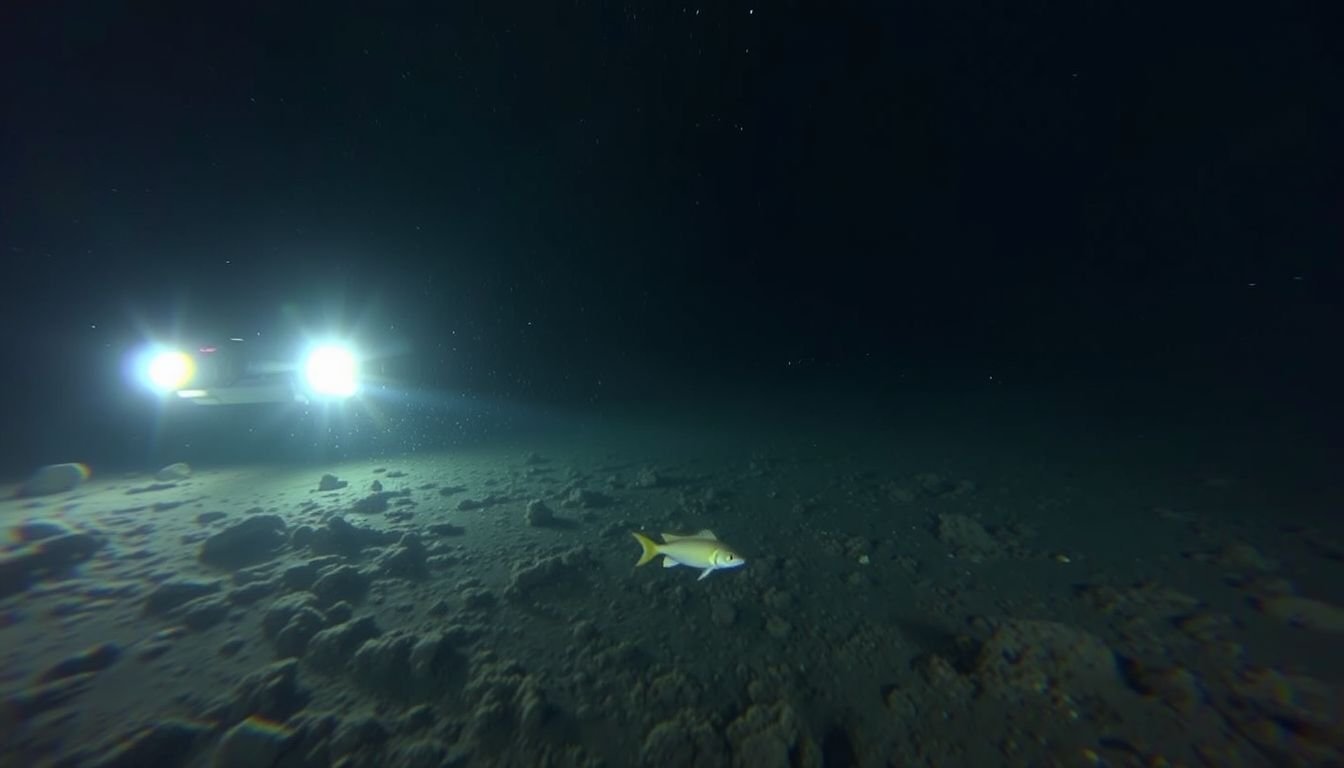
After a forty-year gap in research, a robotic submersible expedition was conducted in the summer of 2026. This mission revealed a largely barren environment, which researchers compared to the surface of the moon, though it also uncovered evidence of human pollution in the form of a discarded beer can.
Biodiversity at the Bottom of the Lake
Despite the harsh conditions, several unique species inhabit the depths of Superior Maximus. The most notable include:
- Mysis (Mysis diluviana): Tiny crustaceans measuring 1 to 2 centimeters. They remain at the lake bottom during the day and migrate to shallower waters at night to feed on plankton.
- Deepwater Sculpin (Myoxocephalus thompsonii): A rare bottom-feeding fish.
- Burbot: The only species of freshwater cod found globally.
Researchers also sought the kiyi (Coregonus kiyi), a small silver fish believed to be endangered and potentially exclusive to Lake Superior. While the 2026 expedition did not record live kiyi in their native habitat, ongoing collaborations with indigenous fishers indicate the species is not yet extinct.
The Phenomenon of Zombie Trout
A significant ecological concern has emerged regarding siscowet lake trout, the most abundant predators in the lake. These fish typically reside below 250 feet and have been recorded at depths exceeding 1,000 feet. While they were not found at the absolute bottom of Superior Maximus during the latest survey, they are prevalent in the waters immediately above it.
Since approximately 2015, a large number of these trout have appeared severely emaciated, earning them the nickname “zombie trout” due to their skeletal appearance. This condition is particularly prevalent in the region surrounding Superior Maximus. According to a 2025 survey by the Michigan Department of Resources, 54% of siscowet trout caught in this area exhibited these emaciated characteristics.
Scientists currently hypothesize that a famine is causing this decline, though further research is required to determine the exact cause of the nutritional deficiency in this specific population.