
Research into fossilized dental plaque reveals that prehistoric European Homo sapiens avoided eating insects, contrasting with the dietary habits of Neanderthals. This discovery, detailed in a 2026 research study, suggests that an aversion to entomophagy—the practice of eating bugs—may be an inherited trait in some human populations.
Dental Plaque Analysis and Methodology
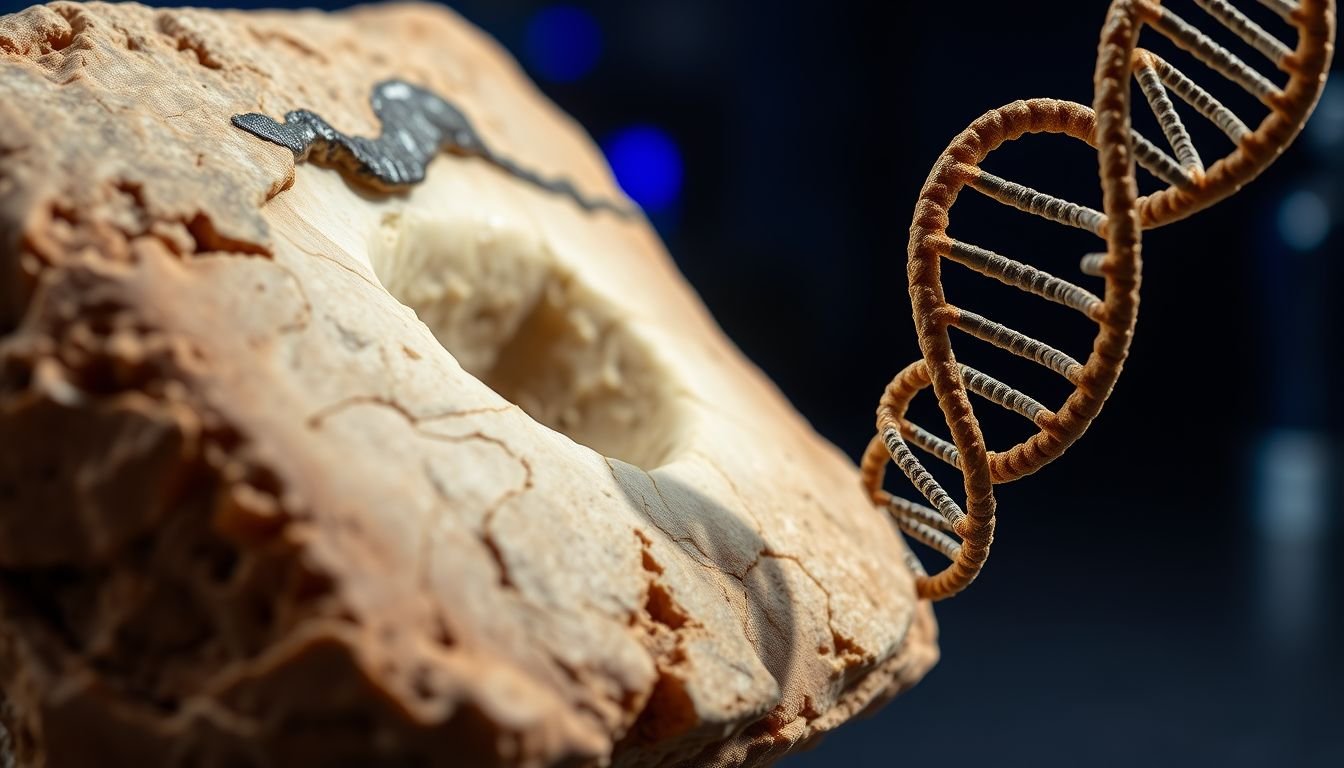
Scientists from Catalonia, Spain, analyzed the fossilized teeth of 745 ancient modern humans dating back as far as 33,000 years. By extracting DNA and chemical compositions from preserved dental plaque, researchers were able to identify the remnants of food consumed by these individuals. Dental plaque acts as a biological archive, trapping bacteria, cell debris, and food particles in a film that remains preserved for tens of thousands of years.
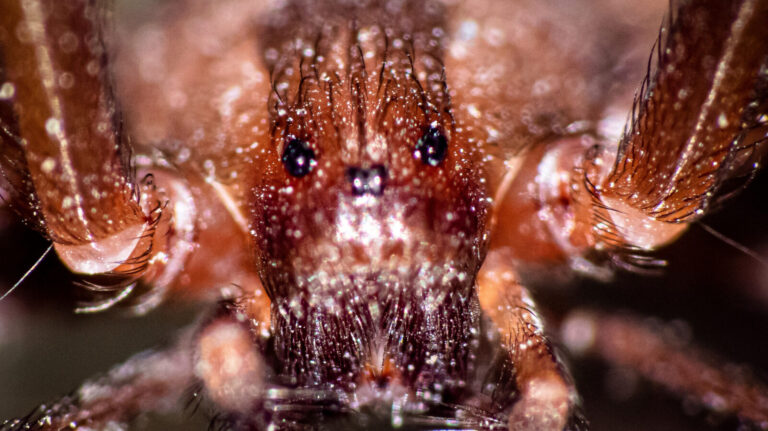
The extraction process involves blending the fossilized material into a fragmented gene “soup,” which is powerful computers to piece together. This allows scientists to map the genetic code of ancient lineages and study therelationship between modern humans and extinct species. While some insects, like tiny red bugs, are often viewed as pests, they are often high in protein and nutrient-dense, making them potentially viable food sources.
Dietary Differences Between Homo Sapiens and Neanderthals
Between 250,000 and 40,000 years ago, Homo sapiens and Neanderthals co-existed and competed in Eurasia. Despite sharing similar hunter-gatherer lifestyles, their dietary choices differed significantly regarding insects. The study found that:
- Neanderthals: Analysis of 18 Neanderthal teeth revealed significant amounts of insect DNA, indicating they consumed bugs regularly.
- Homo sapiens: Out of 745 modern human ancestors, only trace amounts of insect DNA were found, indicating a strong avoidance of entomophagy.
Genetic Predisposition to Avoid Insects
The research highlighted a specific genetic marker: chitinase genes. These genes code for the digestion of chitin, the primary component of insect exoskeletons. The researchers discovered that prehistoric European Homo sapiens possessed weaker chitinase genes, especially in regions far from the equator where edible insects were less abundant during certain seasons.
This genetic weakness suggests that the aversion to eating bugs may be biological rather than purely cultural. While we may find certain insects, like ticks that can be harmful to humans, to be repulsive, the distinction between eating animals with four legs and those with six legs is likely rooted in ancient genetic adaptations. This biological predisposition may explain why many modern humans, especially in those European lineages, maintain a reluctance to eat insects as a sustainable protein source.