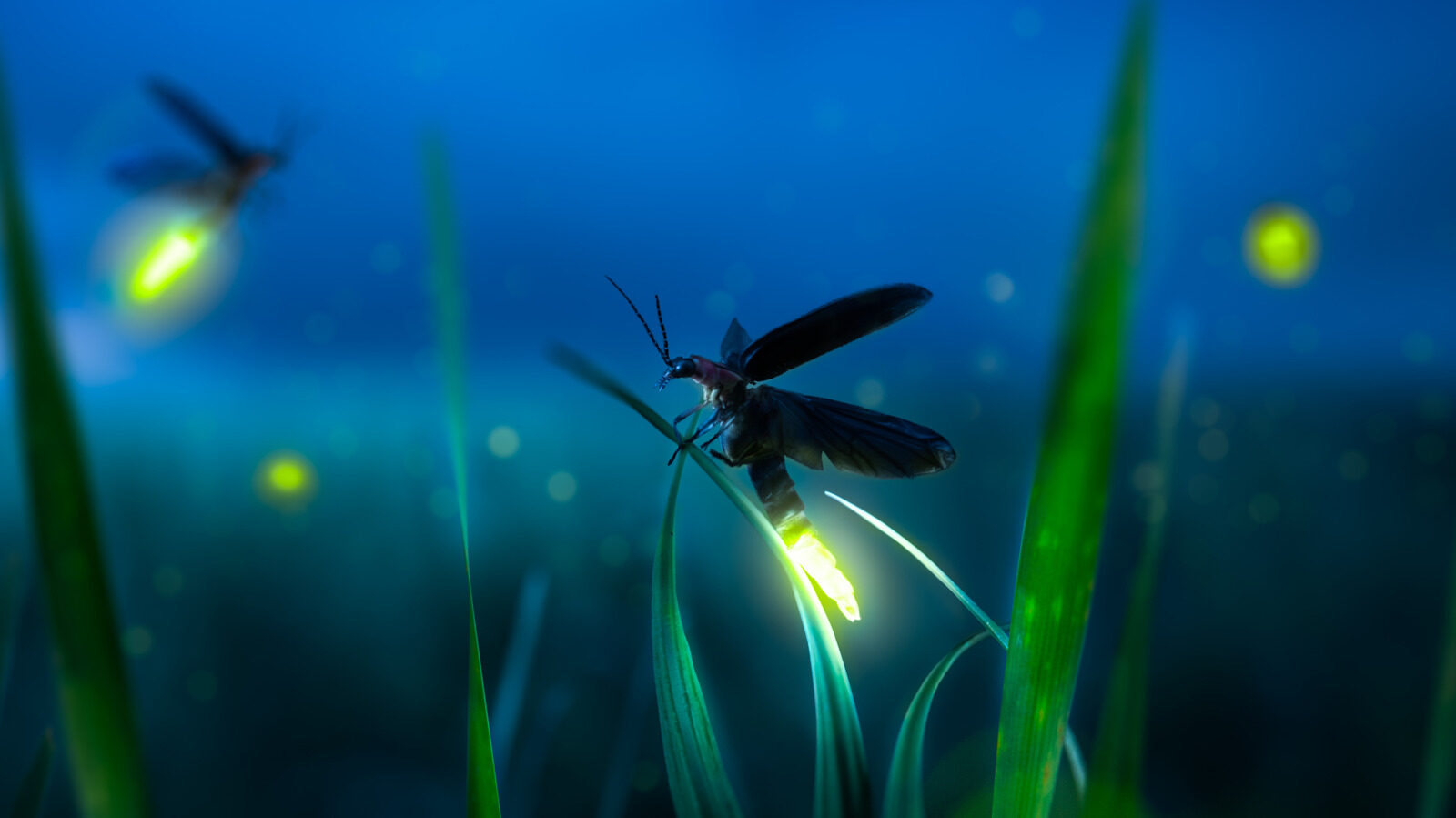

Have you ever experienced the enchanting glow of fireflies on a warm summer evening? These little creatures, often called lightning bugs, create a magical atmosphere as they illuminate gardens and meadows. But what lies behind their captivating glow? Understanding the science of bioluminescence can uncover the mysteries of these fascinating insects.
In this article, we will delve into the reasons why lightning bugs emit light, the chemical processes involved, and the role their glow plays in their lives. Get ready to illuminate your understanding of these nighttime wonders!
Understanding the bioluminescence of lightning bugs
The glow emitted by lightning bugs is a prime example of a natural phenomenon known as bioluminescence. This process involves a chemical reaction that occurs within living organisms. In the case of fireflies, the light is produced in specialized organs often referred to as light organs.
Bioluminescence can be found in various organisms, including some fungi, bacteria, and deep-sea creatures. However, fireflies are among the most recognizable examples due to their prominent display during summer nights. The light produced is generally in the yellow-green spectrum, which makes it easily noticeable in the dark.
What makes lightning bugs glow?
The chemical reaction that allows lightning bugs to emit light occurs when several key components come together:
- Luciferin: This is the light-emitting molecule found in fireflies.
- Luciferase: An enzyme that catalyzes the reaction between luciferin and oxygen.
- Adenosine triphosphate (ATP): A molecule that provides energy for various cellular processes.
- Oxygen: This is essential for the chemical reaction to occur.
When luciferin binds with oxygen in the presence of luciferase, it produces light through a reaction that releases energy in the form of photons. This process is highly efficient—over 90% of the energy produced is emitted as light, making it a cold light that does not produce significant heat.
What chemical makes lightning bugs glow?
The primary chemical responsible for the glow of lightning bugs is luciferin. Different species of fireflies may have variations of luciferin that can produce different colors of light, but the most common type emits a yellow-green light. The structure and arrangement of luciferin molecules affect the wavelength of light emitted, which is why some species may appear to glow in different hues.
Luciferin is synthesized in the firefly’s body, and it is used up during the light-producing reaction. This means that fireflies must continually replenish their supply of luciferin to sustain their glowing ability, which is why they often use it strategically during mating seasons or to ward off predators.
Why do lightning bugs glow at night?
One of the most intriguing aspects of lightning bugs is their ability to control the timing and intensity of their glow. They primarily use bioluminescence for communication, especially during mating rituals. The glow serves several purposes:
- Mating Signals: Male fireflies emit specific light patterns to attract females.
- Species Identification: Each species has a unique flashing pattern, allowing females to identify potential mates.
- Predator Deterrence: The light can also signal to predators that the fireflies are toxic, discouraging them from eating these insects.
By adjusting the amount of oxygen they take in through tiny tubes called tracheoles, fireflies can modulate the light they produce. This ability to start and stop the reaction allows them to communicate effectively with one another, enhancing their chances of successful mating.
The role of light patterns in firefly communication
Fireflies have evolved sophisticated communication methods through their light displays. The males typically fly at specific heights and flash their lights in distinct sequences based on their species. Female fireflies, positioned on the ground or in vegetation, respond with corresponding flashes, creating a dialogue that can lead to mating.
The timing, duration, and pattern of the flashes are crucial. For example:
- Some species may flash rapidly, while others have slower, rhythmic patterns.
- In certain areas, multiple species may synchronize their flashes, creating a mesmerizing light show.
Interestingly, not all fireflies rely on light for communication. Some species, particularly those that are active during the day, use chemical signals known as pheromones to attract mates.
Environmental factors influencing firefly activity
Several factors can influence the visibility and activity of lightning bugs. Their glow is most prominent during warm, humid summer nights. Some key environmental conditions include:
- Temperature: Fireflies are more active in warm temperatures, generally preferring temperatures above 60°F (15°C).
- Moisture: Humidity helps create the necessary conditions for fireflies to thrive and reproduce.
- Natural Light: Bright artificial lights can interfere with their mating signals, making it harder for them to communicate effectively.
Conservation efforts are vital to maintaining their habitats, as urban development and light pollution can significantly impact firefly populations. Creating dark, natural spaces can help sustain these beautiful insects.
Conclusion: The magic of lightning bugs
The glow of lightning bugs is not only a magical sight to behold but also a fascinating scientific phenomenon. Through the intricate processes of bioluminescence and communication, these insects play a crucial role in the ecosystem. By understanding the science behind their glow, we can appreciate even more the beauty and complexity of the natural world.