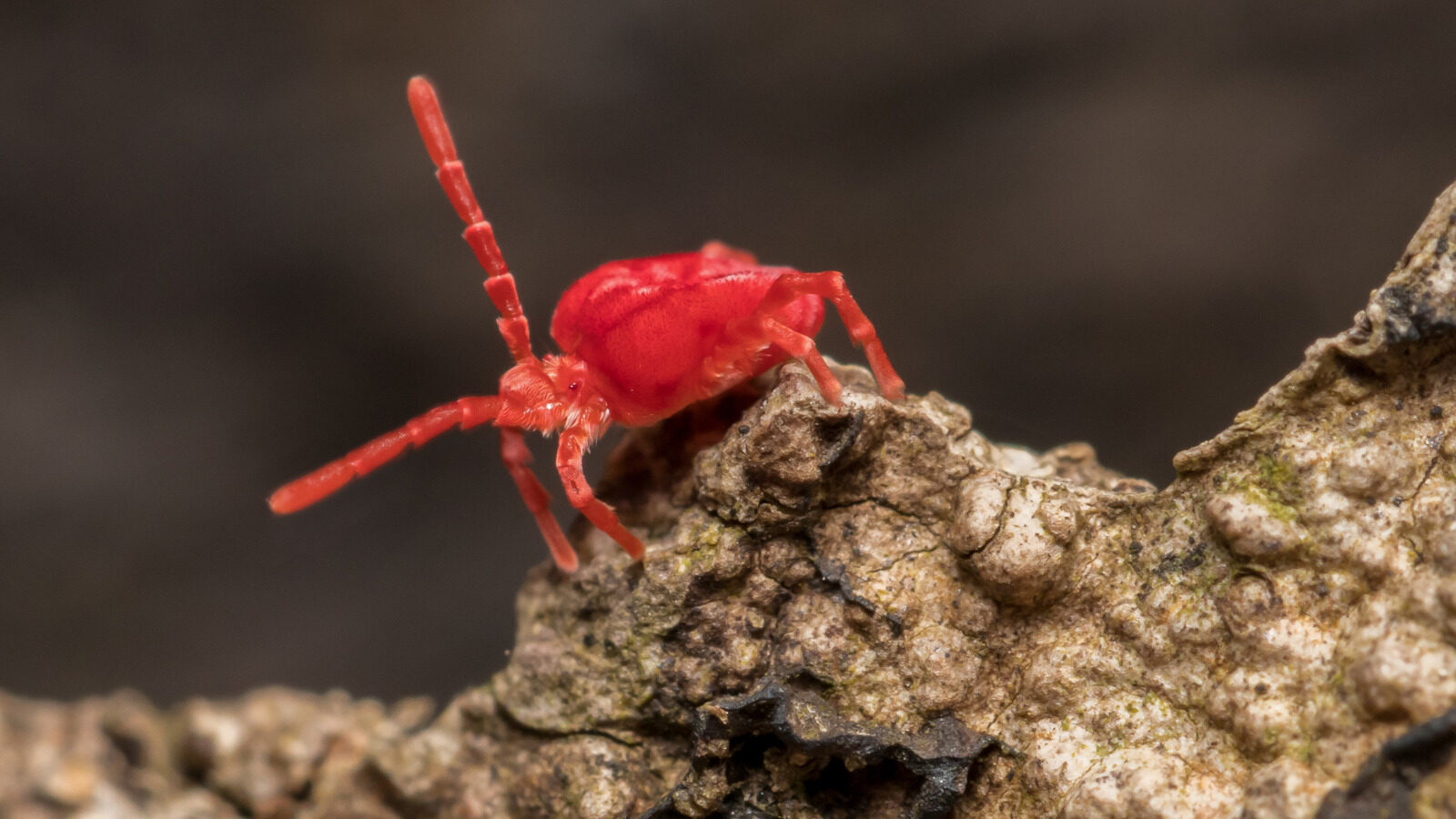

As spring returns, many of us embrace the warming weather and the blooming flora. However, this season can also bring unwelcome guests into our homes: tiny red bugs that seem to appear out of nowhere. Understanding these creatures can help in managing their presence effectively. One such visitor is the clover mite, an intriguing pest that has piqued the interest of homeowners and entomologists alike.
Understanding clover mites: the basics
Clover mites, scientifically known as Bryobia praetiosa, are small arachnids that can be found in various environments across the globe, with the notable exception of Antarctica. Measuring only about 0.75 to 0.85 millimeters in length, they may seem insignificant, but their distinctive features make them stand out.
Unlike typical insects, clover mites are arachnids, which means they have eight legs. What differentiates them further from other common mites are their striking red-green coloration and their unusually long front legs, which can appear almost antenna-like. These adaptations aid in their mobility and survival in their preferred habitats.
These mites primarily feed on plant material, making them particularly attracted to well-fertilized lawns. Their presence is often a sign of over-fertilization and an abundance of lush vegetation, which they find irresistible.
Reproductive cycle of clover mites: a fascinating process
The reproductive strategy of clover mites is quite unique. They reproduce through a process called parthenogenesis, a form of asexual reproduction where the female lays eggs that develop without fertilization. This means that all clover mites observed are female, and no males have ever been documented.
A single female can lay around 70 eggs in her lifetime, leading to rapid population growth. The life cycle of a clover mite consists of four stages:
- Larva
- Protonymph
- Deutonymph
- Adult
The entire cycle can be completed in just a few weeks, with several generations potentially emerging within a single year. Clover mites thrive in warm conditions, preferring temperatures between 70 and 85 degrees Fahrenheit. However, they will enter a dormant state when exposed to extreme temperatures, either hot or cold.
During dormancy, their eggs can remain hidden in various locations, making them resilient against environmental changes. You might find their eggs in:
- Tree bark
- Cracks in sidewalks
- Crevices in buildings
Identifying clover mites in your home
Recognizing clover mites is essential for effective management. These pests are typically found in clusters near windows, doors, and other entry points into your home. Their vibrant red color can make them easily identifiable against lighter surfaces.
While clover mites are harmless to humans and pets, their presence can be bothersome. They do not bite or sting, but their sheer numbers can create a nuisance, especially when they invade living spaces.
In addition to their visual identification, homeowners should be aware of the signs of infestation, which include:
- Visible clusters around doorways and windows.
- Red stains left by crushed mites.
- Increased activity during warm weather.
Effective strategies for managing clover mites
While clover mites do not pose a direct threat to human health, their presence can be distressing. Here are some strategies to manage their population effectively:
- Vacuuming: The most effective method for removing clover mites is to vacuum them up. Ensure that you dispose of the vacuum bag immediately to prevent any mites from escaping.
- Do not crush: Avoid squashing clover mites, as this can leave red stains that may be more difficult to clean than the mites themselves.
- Natural barriers: Creating a buffer zone by maintaining a strip of bare soil or gravel around your home can significantly reduce mite entry.
Prevention is key. Ensuring that there are no cracks or openings around doors and windows can help keep these pests at bay. Regular maintenance of your lawn and landscaping can also help in deterring clover mites from your property.
Long-term prevention of clover mites
To ensure that clover mites do not become a recurring issue in your home, consider implementing some long-term strategies:
- Lawn Management: Avoid over-fertilizing your lawn, as this attracts clover mites. Consider using organic fertilizers and practicing proper lawn care techniques.
- Regular Inspections: Conduct regular checks around your home, especially during the spring and summer months when these mites are most active.
- Professional Pest Control: If infestations persist, seeking help from pest control professionals can provide targeted solutions to manage clover mites effectively.
Conclusion: staying informed about clover mites
Understanding clover mites, from their biology to their management, is crucial for effective pest control. With the right knowledge and preventative measures, homeowners can reduce the likelihood of these tiny red bugs becoming a significant nuisance.