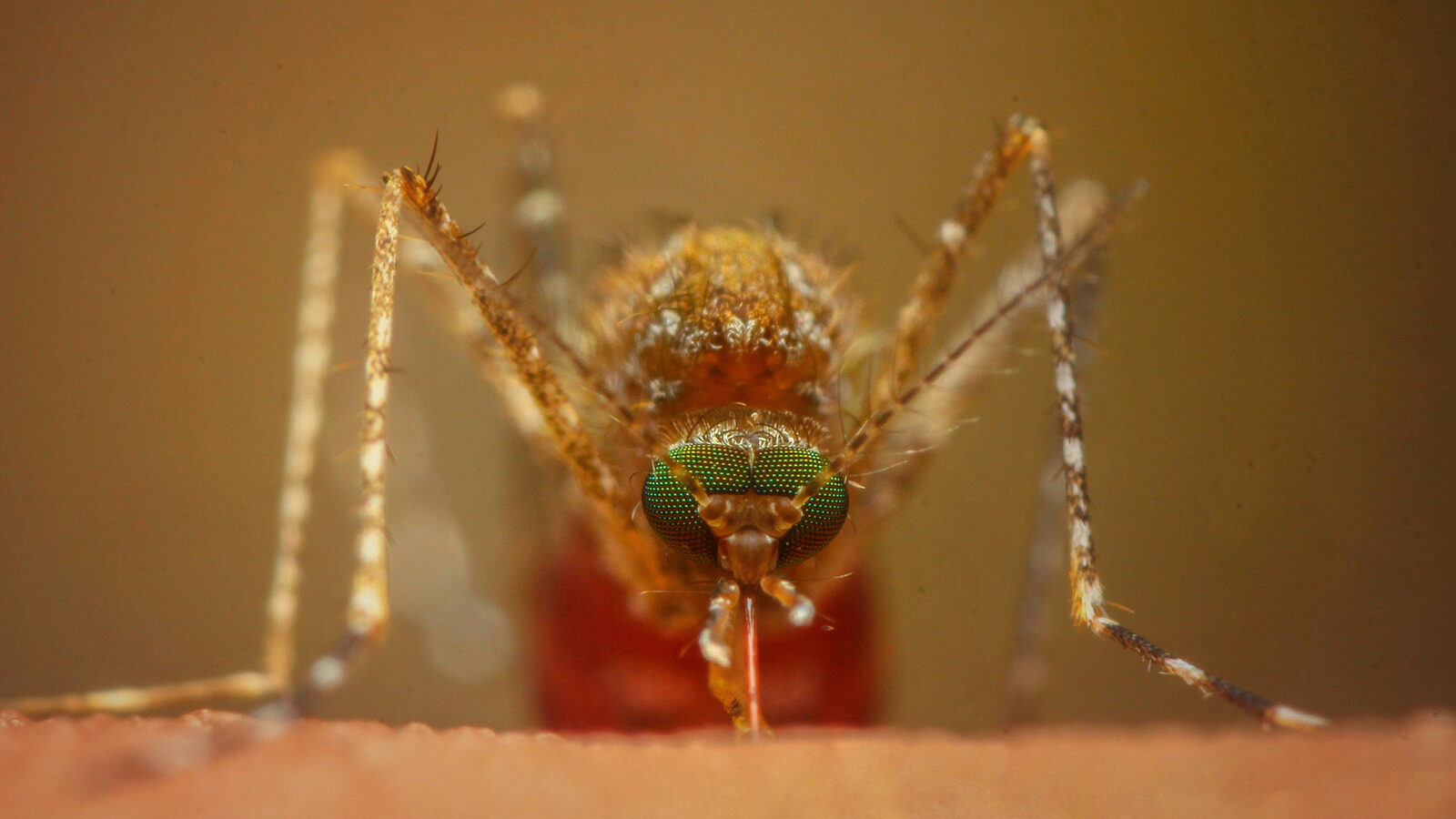

Have you ever wondered what would happen if mosquitoes disappeared from our world? These pesky insects are known for their irritating bites and the diseases they transmit, but their extinction raises complex questions about our ecosystem and health. Let’s explore the implications of a world without mosquitoes.
What if mosquitoes went extinct?
Mosquitoes are often viewed as a nuisance, particularly during summer gatherings or outdoor activities. However, the consequences of their extinction are far more nuanced than merely enjoying a mosquito-free picnic. With over 3,500 species of mosquitoes existing worldwide, the impact of their disappearance would reverberate through various ecosystems, affecting both human life and the natural world.
Mosquito extinction could potentially save human lives
For centuries, mosquitoes have been vectors for some of the deadliest diseases known to humanity, including malaria, dengue fever, and Zika virus. The toll of these insects on human life is staggering; according to estimates, mosquitoes have caused the deaths of approximately 50 billion people throughout history. This statistic underscores the urgent need for effective mosquito control methods.
- Diseases like malaria were responsible for significant casualties during historical events, such as the Revolutionary War, where British soldiers fell victim to mosquito-borne illnesses.
- In the U.S., while only 12 out of 200 mosquito species can transmit diseases, the threat remains significant.
- Furthermore, it’s interesting to note that even dinosaurs may have suffered from diseases spread by mosquitoes.
With their extinction, humans could be spared from these diseases, leading to healthier populations. Additionally, other animal species that also face threats from mosquito-borne illnesses could benefit greatly.
Elimination of mosquito-related issues post-floods and weather events
Natural disasters, particularly floods, create ideal breeding conditions for mosquitoes. After heavy rainfall, stagnant water serves as a breeding ground for these insects, leading to significant increases in their populations.
- Following floods, nuisance mosquitoes often become a major concern for communities trying to recover.
- Without mosquitoes, recovery efforts would likely proceed more smoothly, as individuals and workers would not need to contend with irritating bites.
- Moreover, the absence of disease-carrying mosquitoes in the aftermath of such events could also reduce the public health risks associated with outbreaks.
The potential for food chain disruptions
While the idea of a mosquito-free world may seem appealing, it is essential to recognize the ecological roles these insects play. Mosquitoes are not only bloodsuckers; they are also a crucial food source for numerous species, including frogs, birds, and fish.
The extinction of mosquitoes could lead to food chain disruptions, particularly for those species that rely on them as a primary source of nutrition. Concerns include:
- Amphibians and fish may struggle to find alternative food sources.
- The impact on larger insects that prey on mosquitoes could also be significant, potentially leading to population declines.
While some species may adapt by finding other food sources, the extent of disruption in various ecosystems remains uncertain.
Impact on pollination and plant life
Interestingly, mosquitoes contribute to pollination, albeit not as prominently as bees or butterflies. Male mosquitoes primarily feed on nectar, and certain species are recognized as pollinators for specific plants, including some orchids.
If mosquitoes were to go extinct, this could lead to:
- A decline in pollination services provided by mosquitoes, potentially affecting plant reproduction.
- Increased pressure on other pollinators, which may already be in decline due to habitat loss and pesticide use.
The loss of even a small number of pollinators could have cascading effects on food crops, as many plants rely on insect pollination for their reproduction.
Loss of harmless mosquito species
One of the significant concerns with complete mosquito extinction is the potential loss of species that are harmless to humans. While many people focus on eradicating disease-spreading mosquitoes, it is critical to remember that over 3,000 species exist that do not pose any threat to human health.
A balanced approach is essential. Instead of targeting all mosquitoes, efforts should prioritize the eradication of harmful species while preserving those that play beneficial roles in ecosystems.
- Harmless species contribute to nutrient cycling and serve as food for other wildlife.
- Eliminating all mosquitoes could lead to losing the ecological benefits they provide, such as pollination and serving as food for various species.
Unintended consequences of human-driven mosquito eradication
Human efforts to control mosquito populations have typically involved the use of pesticides and insecticides. While these approaches can be effective in reducing mosquito numbers, they can also have unintended consequences for other species and the ecosystem.
- Insecticides can harm beneficial insects, such as bees, and other wildlife, disrupting local biodiversity.
- Over-reliance on chemical controls may contribute to the development of pesticide-resistant mosquito populations, complicating future eradication efforts.
An integrated pest management strategy, which includes biological control methods, may provide a more sustainable approach to managing mosquito populations.
Emergence of new predatory insects without mosquitoes
While the absence of mosquitoes might seem like a blessing, it could also open the door for new and potentially more harmful insect populations to thrive. Some experts warn that without mosquitoes, other predatory insects may rise to fill the ecological niche left vacant, possibly leading to:
- The emergence of new insects that could transmit diseases or cause more significant nuisance.
- Increased competition among existing insect populations, potentially leading to unpredictable ecological outcomes.
The ecological balance is delicate, and the removal of one species can have far-reaching consequences for others.
The question of mosquito extinction is complex and multifaceted. While the immediate benefits of reducing mosquito-borne diseases are appealing, the long-term impacts on ecosystems and food chains necessitate careful consideration. As we explore potential solutions to the challenges posed by mosquitoes, a balanced approach that considers both human health and ecological integrity is essential.