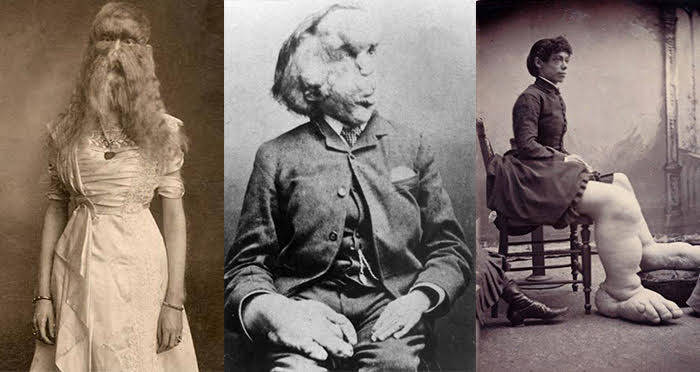

Step right up and take a closer look at the history of freak shows – captivating spectacles that once drew massive crowds with their promise of the unusual and extraordinary. From the mid-1800s onward, these traveling exhibits became a common sight, painting towns with banners advertising the wonders within: real freaks. People paid to witness individuals with physical deformities and abnormalities, eager to catch a glimpse of the strange and different.
These shows were more than just a curiosity; they were often driven by exploitation and a public fascination with the human body’s limitations. Performers, many facing rejection and hardship in their everyday lives, found a peculiar sense of community within these freak show real worlds. Some even turned to this life as a last resort, sent by families desperate for financial gain. Imagine young girls with extra limbs, men born without eyes, or Siamese twins sharing a body – they became the stars of the show, their unique conditions displayed for public consumption.
While some performers found acceptance and camaraderie within these communities, the ethical implications of showcasing human difference remained heavily debated. Over time, as medical knowledge advanced, the mystery surrounding these conditions faded, leading to a decline in popularity by the 1940s. Today, while rare, freak shows have evolved, featuring individuals who specialize in extreme body modifications or astonishing physical feats, marking a departure from the exploitative practices of the past.
The Rise of Freak Shows
The 19th century witnessed a surge in the popularity of freak shows, transforming these spectacles from niche curiosities into nationwide attractions. This rise can be attributed to several factors. Firstly, advancements in transportation and communication allowed for easier travel and wider dissemination of information about these exhibitions. Word spread like wildfire, piquing public curiosity and driving larger crowds to towns hosting these traveling displays. Secondly, the Industrial Revolution fostered a fascination with the extraordinary, offering an escape from the monotony of factory life. People craved novelty and excitement, finding it in the spectacle of freak show real, a stark contrast to their everyday routines.
The societal context also played a significant role. During this era, Victorian values emphasized propriety and restraint, creating a sense of repression that fueled public fascination with the taboo and the unconventional. Freak shows became a platform for exploring the “other,” offering a glimpse into a world beyond social norms. Think of it as a morbid form of entertainment, a chance to gawk at the extremes of human existence while simultaneously reinforcing societal boundaries. Posters adorned bustling city streets, promising audiences a night of unforgettable wonder and shock, drawing in eager crowds seeking both amusement and a sense of moral superiority.
These shows capitalized on this fascination, often employing sensationalized marketing tactics that played on anxieties about difference and the unknown. They became synonymous with sideshows at carnivals and fairs, adding an extra layer of excitement and allure to these already popular events.
Exploitation and Acceptance
The world of freak shows wasn’t simply a stage for spectacle; it was also a complex and often contradictory social landscape where exploitation and acceptance intertwined. While some performers found a sense of community and belonging within these unconventional circles, the inherent nature of the freak show real often left individuals vulnerable to manipulation and abuse.
Many performers entered this world facing hardship and rejection in their everyday lives. Some were even sent by desperate families seeking financial gain, highlighting the stark reality of poverty and societal prejudice during that era. Imagine a young woman born with extra fingers, ostracized by her community and offered little opportunity beyond menial labor. A freak show presented a chance for recognition, albeit in an exploitative manner, offering a platform to showcase their difference rather than hide it. While some performers thrived within this environment, finding acceptance and creative outlets, others endured grueling schedules, unfair compensation, and the constant pressure of living up to public expectations.
The power dynamics within these shows were often skewed, with showmen profiting from the stories and physical attributes of their performers. This created a complex web of relationships where dependence and exploitation could easily blur the lines between genuine camaraderie and calculated manipulation.
Medicalization and Changing Perceptions
As science advanced throughout the 20th century, perceptions of human difference began to shift. The medicalization of abnormalities, once shrouded in mystery and superstition, led to a greater understanding of their causes and treatment. This growing scientific knowledge diminished the allure of freak shows, as the “miracle” and mystery surrounding these conditions faded. People no longer viewed these individuals solely as objects of curiosity or fear; they became patients requiring medical attention and compassion.
The rise of public health initiatives and social welfare programs also contributed to this shift in attitudes. People began to recognize that those with physical differences deserved support and inclusion, rather than being ostracized for their unique traits. This growing awareness challenged the exploitative practices of freak shows, making them increasingly difficult to justify ethically and morally.
The decline of freak shows was gradual but inevitable. By the 1940s, public interest had waned significantly, replaced by a more humane and understanding approach to human diversity. The spectacle that once drew massive crowds became a relic of the past, a reminder of a time when societal attitudes towards difference were vastly different from what they are today.
From Sideshow to Spectacle
While traditional freak shows largely faded from public view, the fascination with the unusual and extraordinary persists, taking on new forms in modern entertainment. Today, the remnants of this spectacle can be seen in various contemporary performances and subcultures that blur the lines between art, shock value, and social commentary.
Some performers continue to push boundaries with extreme body modifications, showcasing their physical transformations as a form of self-expression and artistic exploration. Others specialize in astonishing feats of strength, agility, or endurance, captivating audiences with their superhuman abilities. These modern iterations often lack the exploitative nature of past freak shows, emphasizing individual artistry and skill rather than simply displaying difference for public gawking. Think of it as a transformation from sideshow to spectacle, where performers reclaim agency over their bodies and narratives, using their unique talents to challenge societal norms and spark conversation.
However, ethical considerations remain crucial in this evolving landscape. The line between entertainment and exploitation can be thin, and it is essential to ensure that performers are treated with respect and dignity while engaging with audiences. Ultimately, the legacy of freak shows serves as a reminder of the complex relationship between society and difference, prompting us to reflect on how we perceive and value human diversity in the ever-changing world.
Beyond the Freaks
The story of freak shows isn’t simply about the performers or the spectacle itself; it reflects broader societal shifts and evolving perceptions of human difference. As we move beyond the sensationalism and exploitation of the past, it prompts us to consider what truly defines “normal” and how we treat those who fall outside conventional boundaries.
Freak shows, for all their flaws, were a product of their time, revealing anxieties about the unknown and a societal tendency to categorize and otherize individuals who didn’t conform. Today, our understanding of human diversity is far more inclusive, recognizing the beauty and value in individual uniqueness. We celebrate neurodiversity, embrace different cultural expressions, and strive for greater acceptance of those who may appear “different” to the mainstream.
This shift in perspective signifies a deeper understanding that real freaks are not simply objects of fascination but individuals with their own stories, dreams, and aspirations. It’s about recognizing the inherent worth of every human being, regardless of physical characteristics or societal perceptions. By acknowledging the complexities and nuances of human experience, we can move beyond simplistic labels and embrace a more inclusive and equitable world for all.