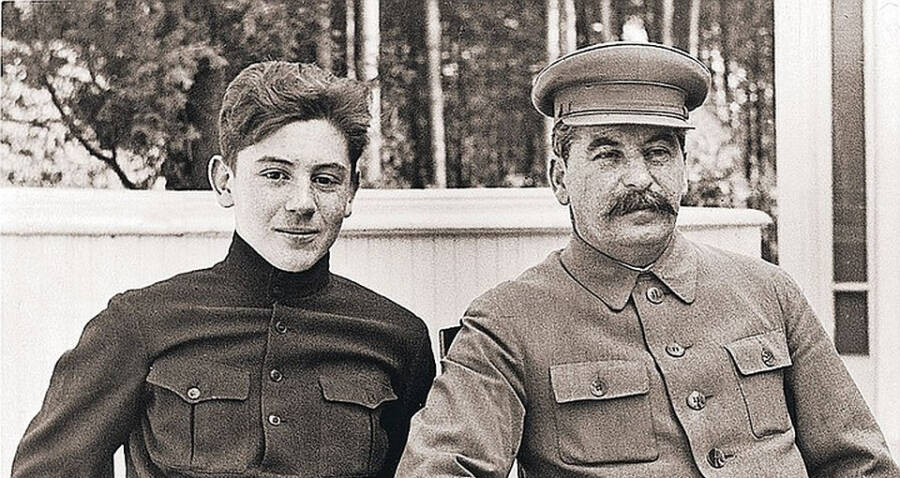

Vasily Stalin’s life offers a complex and often tragic tale interwoven with the shadow of his father, Joseph Stalin. Born into immense privilege as the son of the Soviet dictator, Vasily Dzhugashvili experienced both the allure and the burden of his lineage. While he was showered with luxury and advantages from an early age, his upbringing was marked by a deep sense of neglect and emotional turmoil stemming from his mother’s suicide and the ever-present weight of his father’s formidable legacy.
Despite the opportunities afforded to him, Vasily struggled with personal demons that ultimately shaped his trajectory. He developed a debilitating dependence on alcohol, which fueled recklessness and contributed to his downfall. This relentless pursuit of escape through drink became a defining characteristic of his life, casting a stark contrast against the backdrop of his privileged upbringing. While he held high positions within the Soviet system, Vasily’s lack of genuine accomplishments and his reputation for incompetence ultimately led to a swift decline after his father’s death in 1953.
The tragic end of Vasily Stalin came before he reached the age of forty-one. His life serves as a poignant reminder that even those born into power and privilege are not immune to the destructive forces of personal demons, grief, and unchecked addiction. His story continues to fascinate historians as they grapple with understanding the complex interplay between family legacy, individual agency, and the enduring impact of vasily stalin cause of death.
A Life In The Shadow Of Power
Vasily’s life was undeniably shaped by the immense shadow cast by his father, Joseph Stalin. Growing up as the son of the Soviet dictator, he was constantly aware of the weight of expectations and the ever-present scrutiny that came with his name. Every decision, every action, seemed to be viewed through the lens of his father’s legacy, creating an environment where personal growth and autonomy were often stifled.
While Vasily undoubtedly enjoyed some privileges afforded by his position, he never truly felt secure in his father’s affections. Joseph Stalin remained a distant and emotionally unavailable figure, offering praise sparingly but quick to criticize any perceived failings. This constant yearning for validation from his father fueled Vasily’s insecurities and ultimately contributed to his self-destructive tendencies. His attempts to prove himself often backfired, leading to further disappointment and resentment.
Despite being surrounded by power and influence, Vasily never truly felt in control of his own destiny. He existed perpetually in the shadow of his father, forever trying to navigate a complex web of expectations and unspoken demands, ultimately struggling to forge his own path outside of the imposing silhouette of Joseph Stalin’s legacy.
Alcoholism And Its Impact
Alcoholism became a relentless companion throughout Vasily’s life, casting a long and dark shadow over his personal relationships, career aspirations, and ultimately, his physical well-being. It offered a fleeting escape from the pressures and complexities of his world, a temporary reprieve from the burdens of living in the shadow of such a powerful father figure. However, this escape proved to be a double-edged sword, exacerbating his existing problems rather than providing genuine relief.
The impact of alcoholism on Vasily’s life was profound and devastating. It led to reckless behavior, strained relationships with family and friends, and a growing inability to function effectively in his official roles. He struggled to maintain professional responsibilities, often arriving late or intoxicated to meetings and engagements. His personal life suffered as well, marred by frequent arguments, broken promises, and a sense of isolation.
Despite attempts at intervention from concerned individuals, Vasily’s grip on alcohol tightened with time. He seemed unable to break free from its clutches, succumbing to its allure as a means to cope with the overwhelming pressures and anxieties that plagued him. This self-destructive cycle ultimately sealed his fate, leading to a tragic end before he reached the age of forty-one.
Military Career And World War II
Following in the footsteps of many privileged young men during that era, Vasily chose to join the Soviet Air Force. He rose through the ranks surprisingly quickly, though his advancement was more likely a result of his father’s influence than any exceptional military acumen. While he held positions of responsibility, his reputation among colleagues was one of recklessness and incompetence. He displayed a disregard for safety protocols and often engaged in risky maneuvers that raised eyebrows among seasoned pilots.
Despite serving during World War II, Vasily’s wartime actions were primarily motivated by self-preservation rather than genuine patriotism or a desire to contribute to the war effort. Accounts suggest he prioritized his own safety above all else, often avoiding direct combat situations and seeking opportunities to distance himself from danger. His lack of courage and commitment to duty stood in stark contrast to the sacrifices made by countless other Soviet soldiers who fought valiantly against Nazi Germany.
Vasily’s military career ultimately proved to be a testament to the privilege afforded to him due to his father’s position, enabling him to navigate the ranks despite lacking genuine talent or dedication. His wartime experiences offer a glimpse into the complexities of navigating personal ambition and duty within a system heavily influenced by political connections and familial ties.
Seeking Validation From A Distant Father
Vasily’s relationship with his father was marked by a profound yearning for validation that remained largely unfulfilled. Despite holding positions of status and power, he constantly sought approval from Joseph Stalin, desperately craving recognition for his achievements and seeking solace from the ever-present criticism that accompanied any perceived failings.
This relentless pursuit of validation fueled a cycle of insecurity and self-doubt. Every success was met with indifference or thinly veiled disapproval, while every mistake was magnified into a major offense. This pattern created a deep sense of emptiness within Vasily, leaving him perpetually searching for acceptance in the eyes of a father who remained emotionally distant and unforgiving.
Despite their close familial ties, Joseph Stalin rarely expressed affection towards his son. This emotional distance compounded Vasily’s feelings of inadequacy and contributed to his overall sense of alienation. His life became a constant struggle to meet an impossible standard set by a father who seemed incapable of genuine warmth or empathy.
Legacy Of Tragedy
Vasily Stalin’s life story is ultimately one of profound tragedy, a tale marked by unfulfilled potential and the devastating consequences of unchecked addiction. He was born into privilege, yet lived a life marred by insecurity, emotional turmoil, and a desperate yearning for validation from a distant father figure. His attempts to carve his own path were often hampered by his reliance on familial connections, leading to a career defined more by circumstance than genuine accomplishment.
The weight of expectations surrounding his name proved too heavy to bear. He became entangled in a destructive cycle of self-destruction, seeking solace in alcohol and ultimately succumbing to its grip just before his 41st birthday. His legacy serves as a cautionary tale about the insidious nature of addiction and the profound impact it can have on even those born into positions of power and influence.
Despite the dark shadows that ultimately consumed him, Vasily’s story continues to intrigue historians and offer insights into the complexities of human nature. He represents a tragic figure caught between aspiration and self-destruction, forever grappling with the burden of his lineage while desperately seeking a sense of belonging and purpose beyond the confines of his father’s formidable shadow.
Let me know if you’d like help with other writing tasks!
The story of Vasily Stalin is a complex and often heartbreaking one, revealing the human cost that can accompany immense privilege and power. It serves as a reminder that even those born into extraordinary circumstances are not immune to personal struggles, addiction, and the search for meaning and validation.
Perhaps most importantly, Vasily’s legacy encourages us to look beyond historical figures through a lens of empathy and understanding. While his life was undoubtedly shaped by the tumultuous events of the 20th century and the shadow cast by his father’s legacy, it ultimately reveals the universal human experience of longing for connection, purpose, and acceptance.
I hope this exploration of Vasily Stalin’s life has provided you with a deeper understanding of this often-overlooked figure and shed light on the complexities of navigating personal identity within the context of immense historical significance.