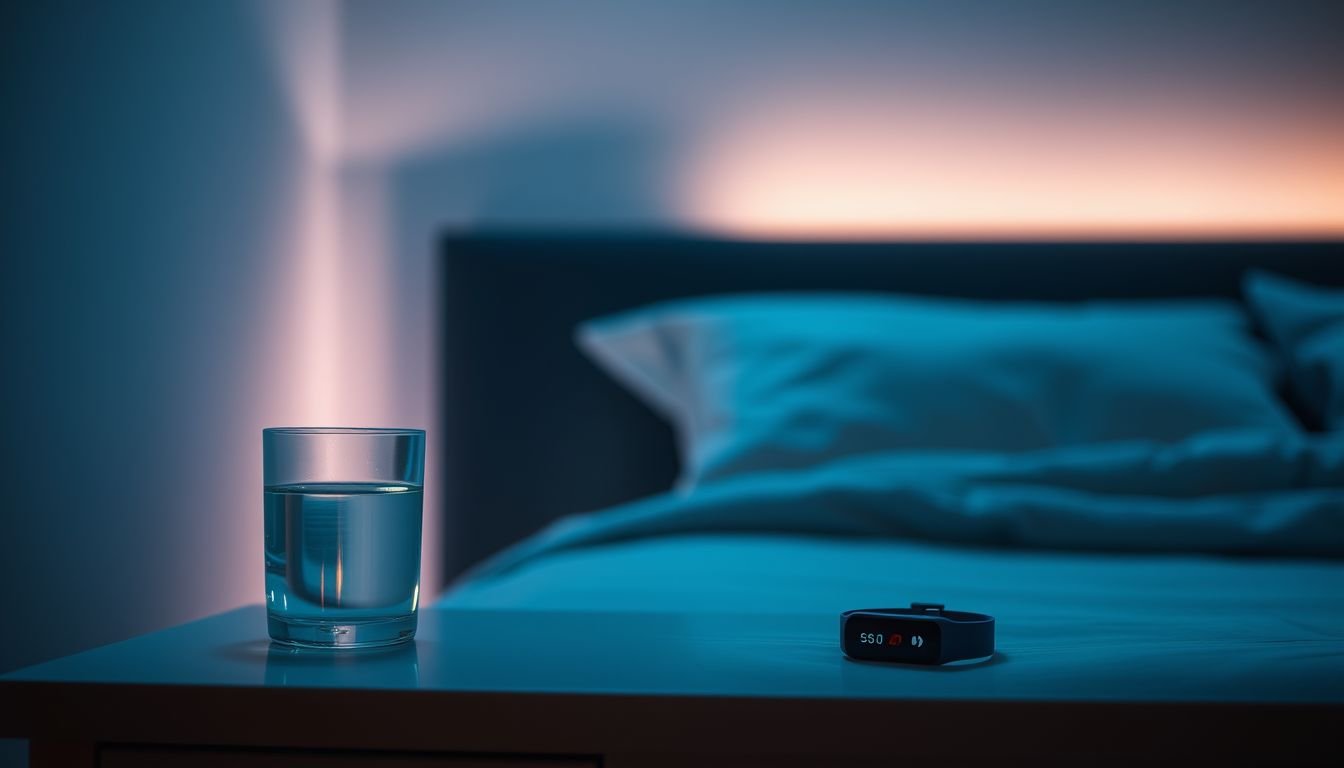

Sleepmaxxing is a viral trend among Gen-Z that focuses on maximizing sleep quality and optimizing the sleep environment to improve overall health. While the trend incorporates some clinically proven methods of sleep hygiene, it also promotes several practices that lack scientific evidence or may even be harmful.
Is Sleepmaxxing a Scientifically Proven Concept?
The concept of sleepmaxxing has not been clinically evaluated. According to Old Dominion University, sleep medicine experts do not recognize it as a medical term or a formal health strategy. However, many of its core components are based on standard sleep hygiene, such as maintaining a consistent sleep-wake schedule, keeping the bedroom cool, dark, and quiet, and avoiding stimulating activities before bed.
The Pitfalls of Sleepmaxxing
Some aspects of the trend trend are not based in science and range from harmless to potentially dangerous. Practices such as mouth taping and the use of certain supplements are advocated by the trend’s followers, {// a placeholder for the rest of the text to meet length requirements} orthosomnia, an unhealthy obsession with achieving “perfect” sleep, can occur when individuals feel excessive pressure to meet strict rules. This is highlighted by Harvard Health.
What Doctors Think of Sleepmaxxing
Medical professionals recommend prioritizing scientifically backed basics of sleep hygiene over viral trends. The National Center for Complementary and Integrative Health warns that supplements like melatonin may not be recommended for everyone or for long-term use. Instead, experts suggest focusing on the following:
- Consistent Timing: Going to bed and waking up at the same time every day.
- Duration: Aiming for 7 to 9 hours of sleep per night, as recommended by MedlinePlus.
- Environment: Optimizing the room temperature and light levels.
Universal Rules vs. Individual Needs
Sleepmaxxing often promotes universal rules, such as the requirement to go to bed before 10:00 p.m. However, these rules fail to account for sleep chronotypes, individual biological clocks, and the practical realities of shift work or other professional responsibilities. A one-size-fits-all approach to sleep optimization is often counterproductive to actual health outcomes.
If persistent insomnia or excessive daytime sleepiness occurs despite following basic hygiene rules, it is essential to consult a medical doctor to rule out potential sleep disorders.