

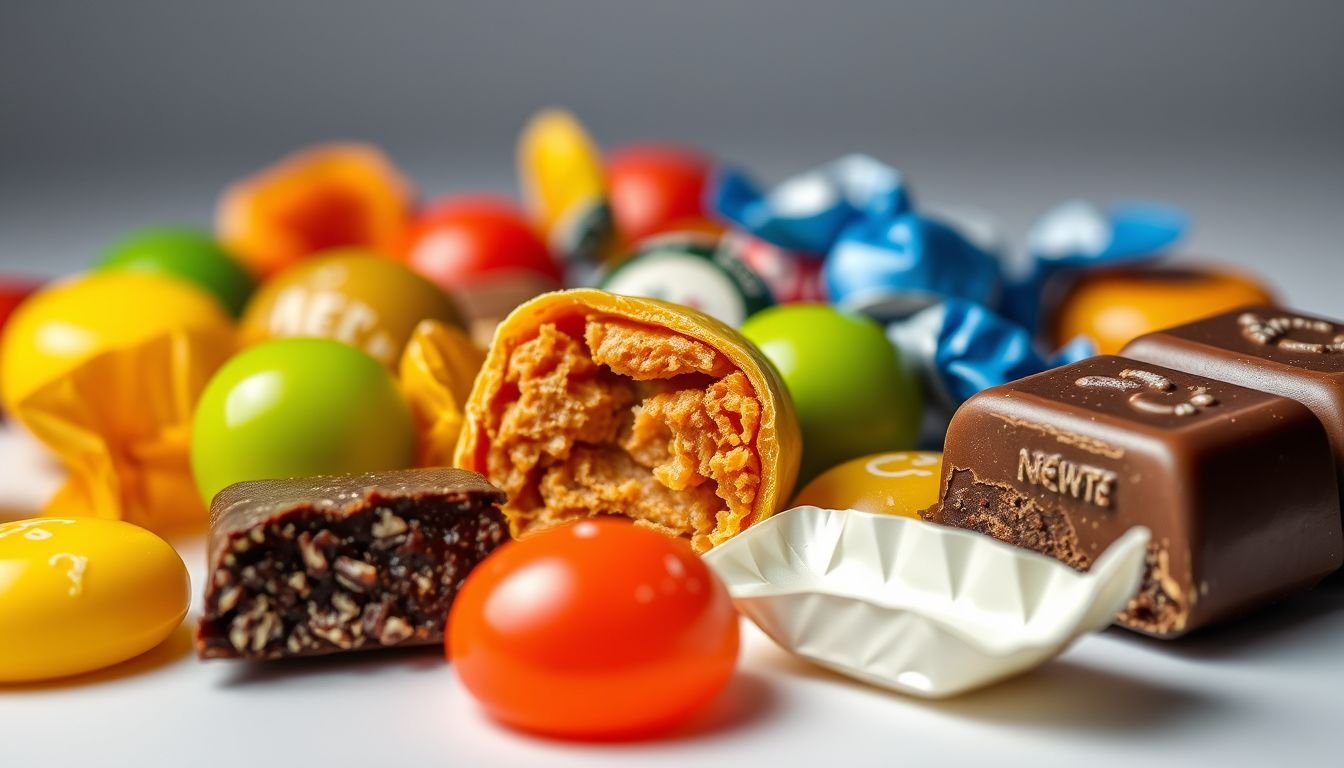
Many consumers notice a perceptible change in the taste of their favorite childhood sweets, a phenomenon driven by both industrial recipe modifications and biological changes in human taste perception. This shift is not merely a matter of perception; candy manufacturers often adjust formulations to reduce costs and adapt to supply chain fluctuations, while the human palate evolves over time.
Industrial Recipe Changes and Cost Reduction
Candy companies frequently modify their recipes to maintain profitability as the price of raw ingredients increases. According to food scientist Dr. Richard Hartel from the University of Wisconsin-Madison, these changes are often subtle and designed to avoid immediate detection by the average consumer. Common substitutions include:
- Compound Coatings: In place of traditional milk chocolate, some manufacturers use compound coatings. These use vegetable fats instead of cocoa butter, which alters the texture and how the chocolate melts in the mouth.
- Fat Substitutions in Caramel: Traditional caramel is typically made with whole milk and milk fat. To save costs, companies may replace these with skim milk and vegetable oil or coconut oil.
- Protein Replacements: Milk proteins may be replaced with whey proteins to lower production costs.
- Cocoa Reduction: Some brands reduce the amount of cocoa while staying within the legal limits set by the FDA’s standards of identity, which dictate the minimum requirements for a product to be legally labeled as “chocolate.”
The Reese’s Controversy
A notable example of these industry practices is the public criticism from Brad Reese, the grandson of H.B. Reese, inventor of the Reese’s Peanut Butter Cup. Brad Reese expressed concern over the use of compound coatings and peanut butter-style creams instead of actual peanut butter in certain products. While Hershey, the company that makes the candy, maintains that the original Reese’s Peanut Butter Cup recipe remains unchanged, they acknowledge that newer varieties and different shapes (such as pumpkins or Christmas trees) may have different formulations.
Why Does All Chocolate Taste Different?
The perceived difference in chocolate taste is a result of the combined effect of ingredients and the biological evolution of taste buds. Chocolate’s flavor profile is complex, and small changes in the cocoa percentage or the type of fat used (cocoa butter vs. vegetable oil) significantly impact the aroma and the “mouthfeel” of the chocolate. When combined with the aging process, the contrast between a current candy bar and a childhood memory of that same candy becomes more apparent.
Biological Changes in Taste Perception
Our taste buds are not static. As people age, the number of and sensitivity of taste buds decrease. This means that flavors may seem less intense or different than they did in childhood. This biological shift makes it consumers more likely to perceive changes in recipes that were designed to be stealthily implemented by manufacturers.
What Two Tastes Do Elderly Lose First?
In the context of aging and taste, research suggests that the sensitivity to salty and sweet tastes is often the first to decline. As the number of taste buds decreases, elderly individuals may find that food tastes blander, which can lead to some to seek out more intense flavors or more sugar to achieve the same satisfaction they once felt.
Resources for Food Science and Culinary Testing
For those who want more control over their content, americastestkitchen.com provides extensive research on ingredients. For example, America’s Test Kitchen actually has its own recipe for homemade peanut butter cups, allowing consumers to avoid industrial substitutions.