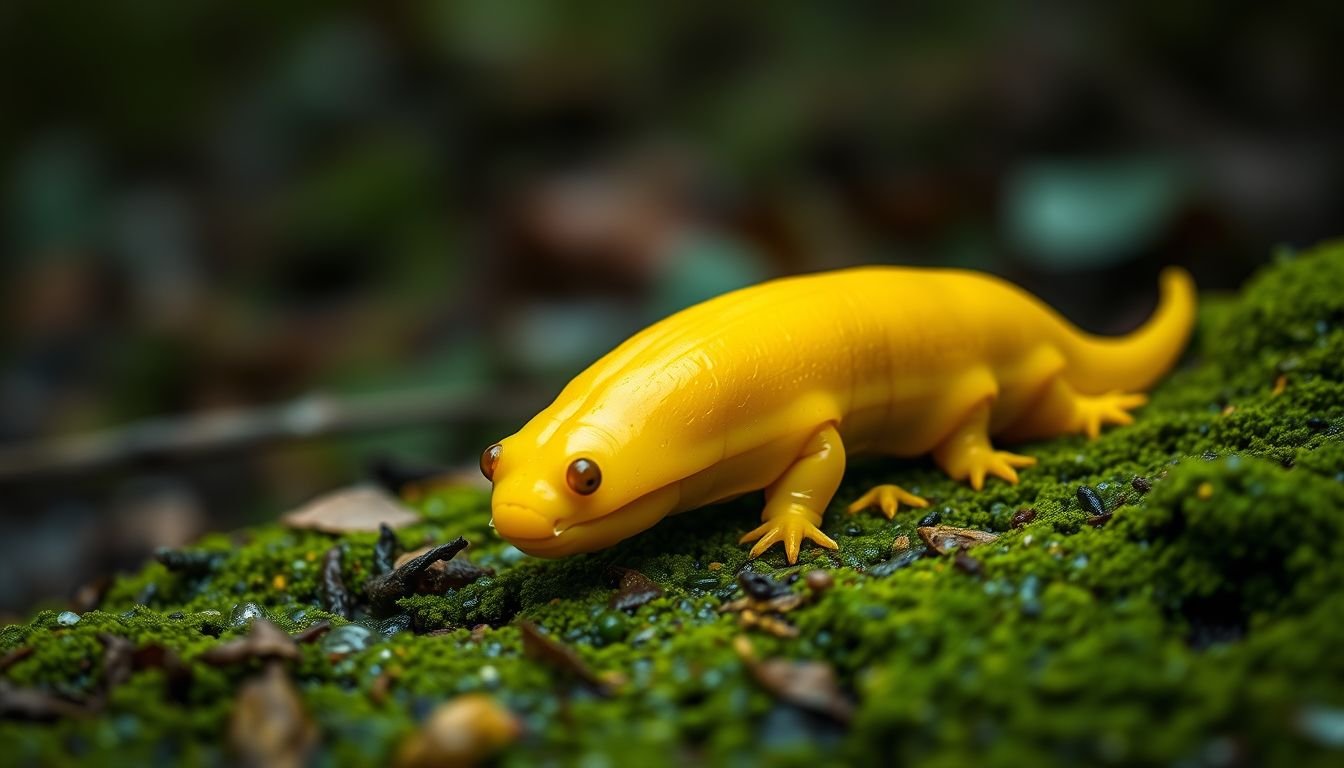

The California banana slug (Ariolimax californicus) is a large terrestrial mollusk officially designated as the state slug of California in 2024. This creature is distinguished by its unique biological adaptations, including an abundance of microscopic teeth and a specialized mucus that serves as a defense mechanism against predators.
What animal has 25,000 to 30,000 teeth?
The banana slug is one of the few animals that possesses a massive number of teeth. Specifically, these mollusks can have up to 27,000 microscopic denticles on their radula, which is a flexible, ribbon-like membrane located in their mouths. According to a study published in PLOS One, these tooth-like structures are tightly interlocked in rows, varying in length and inclination depending on their position.
Unlike predatory animals, the banana slug uses these teeth for grinding down decaying vegetation, fungi, and other plants. The curved nature of the denticles allows the animal to file the organic material effectively for digestion.
Biological Characteristics of the Banana Slug
Banana slugs belong to the genus Ariolimax, which includes three distinct species:
- California banana slug (A. californicus): Found exclusively in California.
- Slender banana slug (A. dolichophallus): Also endemic to California.
- Pacific banana slug (A. columbianus): Found in California, Oregon, Washington, and British Columbia.
These mollusks can grow up to 10 inches in length and feature two sets of retractable tentacles. Their mating process is notably slow, often lasting several hours before sperm exchange occurs.
The Role of Numbing Slime
The mucus produced by the banana slug is categorized as a liquid crystal, meaning its molecules are arranged in a pattern that prevents them from being too compact or too dispersed. This mucus is excreted as dry mucin granules that expand significantly when they come into contact with water, maintaining the slug’s moisture and facilitating movement.
Because banana slugs move slowly—at a maximum speed of 6.5 inches per minute (approximately 32.5 feet per hour)—they cannot escape from predators such as snakes, salamanders, and small mammals. To compensate, their slime contains chemicals that act as a numbing agent. This anesthetic effect can cause the tongue and throat of a predator to go numb, deterring them from chewing or swallowing the slug.
Is the banana slug the rarest animal in California?
While the banana slug is not the rarest animal in the state, it is certainly one of the most distinctive. Its role in the ecosystem is vital, contributing to the decomposition of organic matter and nutrient cycling, which supports the overall health of the forest floor.