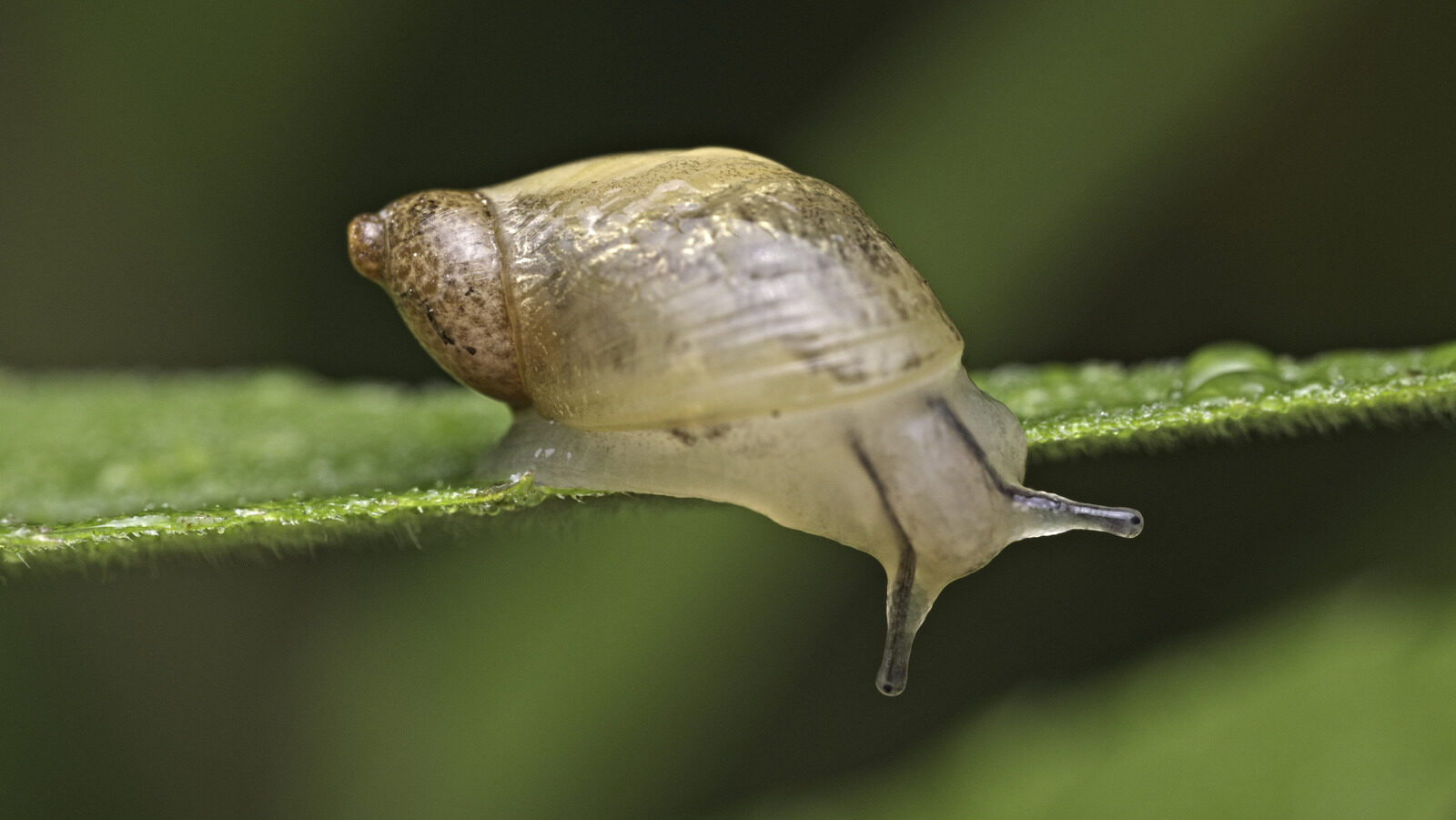

Have you ever wondered what a baby snail looks like? These tiny creatures are often overlooked due to their size and transparency, making them hard to spot. Yet, they hold fascinating biological secrets, particularly about their shells. Let’s dive deeper into the world of baby snails and uncover what makes them so unique.
Do baby snails really have shells? Understanding their early development
Yes, baby snails emerge from their eggs with shells, but they are not immediately obvious. Many species of snails produce hatchlings that are nearly microscopic. For instance, the Angustopila psammion, one of the smallest known snails, has an adult shell that measures less than half a millimeter across, making its egg size comparable to a grain of sand.
Interestingly, the coloration of baby snail shells differs significantly from that of adult snails. When they first hatch, their bodies and shells are often transparent, lacking the vibrant colors seen in their adult forms. This transparency serves as a survival mechanism, helping them evade predators in their early, vulnerable stage of life.
It is crucial to recognize the diversity among snails, as they belong to a vast group of approximately 40,000 to 60,000 species. Some are familiar to us, like the common garden snail, while others are less known, such as the Figuladra robertirwini, named in honor of Robert Irwin. The term “snail” encompasses a broad range of gastropods, which also includes slugs; the primary distinction is the presence of a shell.
However, the boundary between snails and slugs is blurred. Many slugs evolved from shelled ancestors and still possess remnants of shells. For example, some gastropods have semi-slugs with shells that are too small for their bodies, while others have tiny internal shells. To focus on baby snail shells, we must define them as those terrestrial creatures that can fully retract into their shells.
How do baby snail shells transform into adult shells?
Unlike hermit crabs that inhabit used shells, snails grow their own shells. A baby snail emerges with what is known as a **protoconch**, a soft, embryonic shell that serves as the foundation for future growth. This initial shell is comparable to a seed in that it will develop into a full-fledged shell over time.
The growth process begins when the baby snail seeks calcium-rich food to strengthen its shell. Its first meal typically consists of the eggshell it hatched from, supplemented by gnawing on old bones, soil, and even the shells of other snails. The calcium consumed is then used by the snail’s mantle, the organ responsible for shell production, to develop a sturdy shell.
Baby snails see rapid changes within just a few days of hatching. As they consume sufficient calcium and protein, their shells harden and start to take on the characteristic whorls associated with adult snails. This growth pattern occurs as the snail adds material to the opening of the shell, allowing it to grow forward rather than expanding outward.
The importance of calcium for baby snails
Calcium intake is vital for the health and growth of baby snails. Here’s why:
- **Shell development**: Calcium is essential for forming a hard, protective shell.
- **Growth**: Adequate calcium allows for proper growth and structural integrity of the shell.
- **Survival**: A well-developed shell offers protection against predators and environmental hazards.
- **Reproductive health**: Healthy snails are more likely to reproduce successfully in the future.
Without sufficient calcium, baby snails may develop weak or malformed shells, which can jeopardize their survival. This highlights the importance of a balanced diet from an early age.
Exploring other baby mollusks with tiny shells
Snails belong to the class Gastropoda within the phylum Mollusca, which is comprised of a diverse array of creatures. This phylum includes not only snails and slugs but also octopuses, squids, nautiluses, and various types of clams. All mollusks share a common ancestor, often referred to as the “hypothetical ancestral mollusk,” which possessed characteristics that remain present in modern mollusks, such as:
- A soft, moist body for living in aquatic environments.
- A mantle from which shells grow.
- Adaptations for protection against environmental threats.
While snails are renowned for their shells, many other mollusks also form shells during their early developmental stages. For example, nautiluses develop their shells while still in the egg, a feature that aids in buoyancy and locomotion. Oysters and scallops, which belong to the class Bivalvia, also experience rapid shell hardening after hatching, transitioning them into a life of filter-feeding.
Interestingly, not all mollusks have shells. Octopuses, for instance, are entirely soft-bodied and lack any shell, while squids feature internal remnants of shells. Despite these differences, all mollusks share a common evolutionary lineage, underscoring the rich and varied history of life under the sea.
The evolutionary significance of shells in mollusks
The evolution of shells in mollusks serves several important functions. Initially, shells provided protection against predation and environmental challenges, allowing these creatures to thrive in diverse habitats. Over time, the development of shells has also facilitated various adaptations that enhance their survival, such as:
- **Camouflage**: Many shells have patterns and colors that help blend with their surroundings.
- **Buoyancy control**: Shells like those of nautiluses assist in movement through water by managing gas-filled chambers.
- **Habitat specialization**: Different shell shapes and sizes allow for adaptation to specific environments, from deep oceans to freshwater streams.
Understanding the evolutionary significance of shells helps us appreciate the diversity and adaptability of mollusks as a whole. Snails and their relatives represent a remarkable example of how life can evolve and thrive in various ecological niches.
Conclusion: The hidden world of baby snails
From their nearly invisible beginnings to their full-grown forms, baby snails provide a window into the intricate world of mollusks. Their transparency, unique shell development, and the importance of calcium in their growth all contribute to the richness of their life cycle. As we continue to study these fascinating creatures, we gain deeper insights into the complexity of life on Earth.