
In April 1981, the United States Bureau of Alcohol, Tobacco, and Firearms (ATF) dismantled a conspiracy known as Operation Red Dog. This plot, orchestrated by American and Canadian white supremacists, aimed to overthrow the government of Dominica and transform the island nation into a center for illegal gambling, drug production, and white supremacist gatherings. The operation failed before it could leave New Orleans, earning the moniker the Bayou of Pigs.
The Conspirators and the Strategic Alliance
The plot was driven by a combination of financial investors, mercenaries, and a disgraced former political leader. The operational leadership was headed by Mike Perdue, a Texas-based mercenary and KKK member who selected Dominica as the target. The financial backing came from white supremacists L. E. Matthews Jr. and James C. White, who contributed $57,000 to the effort, as documented by The Tennessean. In return, they expected shares in a company called Nortic Enterprises, which was intended to manage the island’s future casinos and brothels.
The plan required a local ally to provide legitimacy and internal support. The conspirators partnered with Patrick R. John, the former prime minister of Dominica. John had been ousted from power and was determined to return to office by any means. He had previously gained notoriety for the “Dread Act,” which allowed for the warrantless arrest of Rastafarians. John promised Perdue $150,000 to restore him to power, a deal detailed in reports from The New York Times.
Objectives of Operation Red Dog
The insurgents’ goals were both political and economic. While some participants claimed the coup was a move to stem the influence of communism in the Caribbean—specifically targeting the administration of Prime Minister Mary Eugenia Charles—the primary drivers were financial gain and the creation of a safe haven. Dominica’s economic vulnerability made it an attractive target; the nation had recently gained independence from the UK in 1978 and had been devastated by Hurricane David in 1979, leaving much of the population homeless and the banana export industry in ruins.
The conspirators envisioned the following for the island:
- Offshore Casinos: Establishing high-stakes gambling centers.
- Drug Manufacturing: Setting up cocaine-processing facilities.
- Tax Haven Status: Creating a sanctuary for white supremacist wealth.
- Regional Base: Using Dominica as a launchpad for further coups, potentially including Grenada.
The Failure of the Plot
Operation Red Dog collapsed due to a series of security lapses and internal betrayals. The failure began when Mike Perdue approached Mike Howell, a Louisiana boat captain, to charter a vessel for the journey. Perdue claimed to be working for the CIA, but Howell became suspicious of the claims and alerted the ATF. This allowed federal agents to plant an undercover operative, John L. Osburg, as a crew member on the boat.
Further evidence was uncovered when a soldier allied with Patrick John, who was already imprisoned, attempted to send a note to Major Fred Newton, the army commander. The note, which specified that the invasion should proceed and identified the police station as the first target, was intercepted by police. This led to the the arrest of Newton and John, further destabilizing the plan.
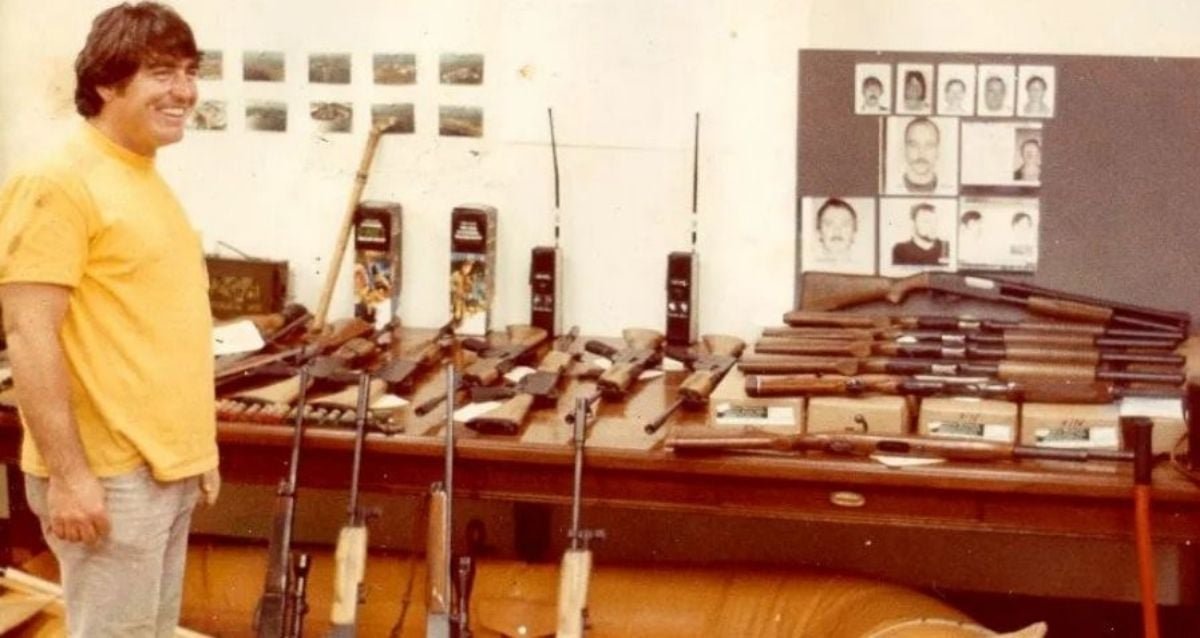
The final blow came on the night of April 27, 1981. As the ten conspirators gathered at a New Orleans marina to load their equipment, they were arrested by agents from the FBI, ATF, and U.S. Customs and Border Protection. The seized equipment included:
- Eight automatic rifles.
- Ten shotguns and ten handguns.
- Ten pounds of dynamite.
- Over 5,000 rounds of ammunition.
- A Nazi flag.
Legal Aftermath and Subsequent Events
Most of the mercenaries, including Mike Perdue, were convicted of conspiracy and violating the U.S. Neutrality Act. During the trial, Perdue attempted to link high-ranking American politicians to the plot, but the presiding judge dismissed these claims as baseless. The details of this failed coup are further explored in the book Bayou of Pigs.
Patrick John was sentenced to 12 years in prison for conspiracy to overthrow the government, though he served only five years before being pardoned by Prime Minister Mary Eugenia Charles. After his release, John became the president of the Dominica Football Association, where he was later involved in a FIFA bribery scandal.
The failure of Operation Red Dog set a precedent for similar attempted coups in the Caribbean. In 1986, another group of mercenaries attempted to overthrow the government of Suriname from a Louisiana marina, an event the media described as the Bayou of Pigs II, as reported by the Los Angeles Times.