
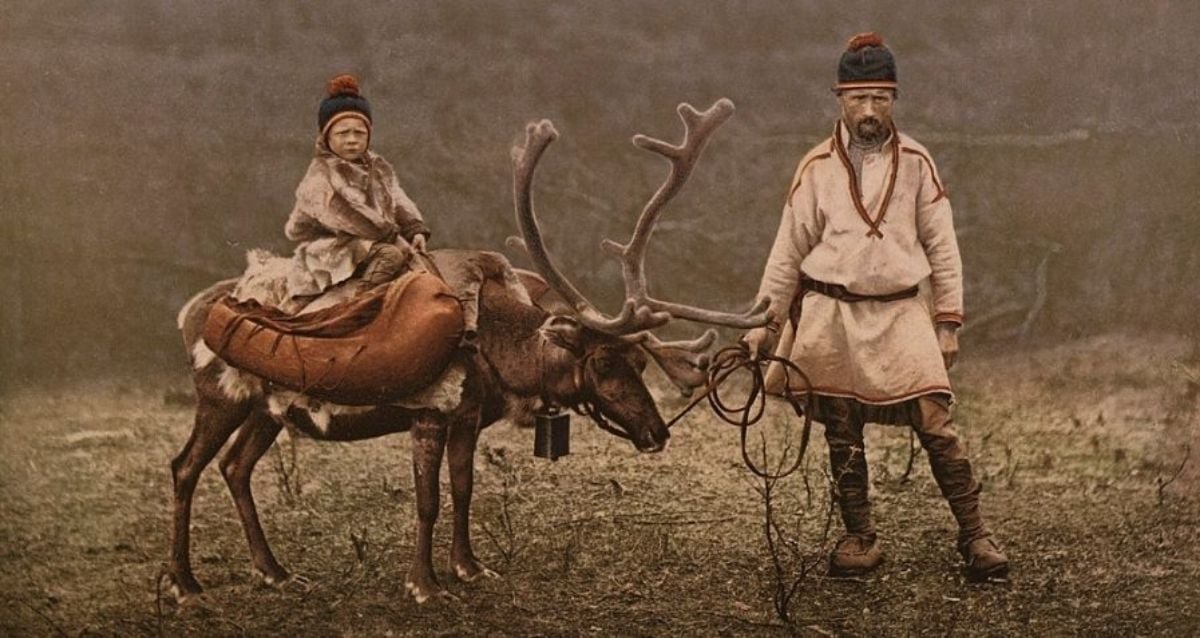
The Sámi people are the Indigenous inhabitants of Sápmi, a vast region spanning northern Norway, Sweden, Finland, and the Kola Peninsula in Russia. For thousands of years, they have maintained a unique cultural identity rooted in the Arctic environment, traditionally surviving through hunting, fishing, foraging, and the herding of sheep and reindeer. Today, an estimated 80,000 to 100,000 Sámi people continue to live in this region, fighting to preserve their traditions against a backdrop of historical systemic oppression.
What is the Sápmi Region and Who Are Its Natives?
Sápmi is the cultural and geographic region traditionally inhabited by the Sámi. Unlike national borders, Sápmi transcends the four countries of Norway, Sweden, Finland, and Russia. The natives of this area, often historically referred to as Laplanders, have developed a highly specialized way of life to survive one of the most extreme climates on Earth. Their society was originally organized around small, family-based units that managed natural resources sustainably.
The Role of Reindeer Husbandry
By the 17th century, the Sámi had transitioned from hunting wild reindeer to domesticating large herds. Reindeer were central to every aspect of their existence, providing milk, meat, clothing, and transportation. The “Mountain Sámi” followed the natural migration routes of these animals across the Arctic tundra, creating a semi-nomadic lifestyle that allowed them to utilize the land’s seasonal resources. This deep connection to nature is similar to how other indigenous groups, such as the Ainu people of Japan, have historically fought to maintain their cultural autonomy in the face of external pressure.
The Division of Sea Sami and Mountain Sami
Around the 14th century, a significant social split occurred within the population, dividing them into Sea Sámi and Mountain Sámi. Some historians suggest this shift was triggered by the bubonic plague around 1349, which devastated coastal farming and fishing communities in Norway. As these vacancies appeared, some Sámi transitioned to coastal homesteads to fill the void, while others remained inland to continue their herding practices. This created two distinct but related economic lifestyles: one based on the fjords and the sea, and the other on the interior mountains and tundra.
Land Seizure and Forced Assimilation
Starting in the 17th century, the Sámi faced increasing pressure from Scandinavian settlers moving north. The Swedish government, for instance, attempted to force the Indigenous population into silver mines during the 1630s, leading many to flee their ancestral lands. This era marked the beginning of a systematic effort by Nordic governments to marginalize the Sámi people.
Religious Persecution and the Joik
During the European witch trials, the Sámi were targeted for their spiritual practices. In 1693, a man named Lars Nilsson was executed for idolatry after being reported for performing a joik—a traditional musical chant used for spiritual purposes. According to Släkthistoria, Nilsson was attempting to use the joik to bring his grandson back to life. This persecution was furthered by Lutheran missionaries, such as Thomas von Westen, who worked to convert the polytheistic animism of the Sámi to Christianity.
The Era of State-Mandated Boarding Schools
In the late 19th and early 20th centuries, Norway, Sweden, and Finland implemented policies of forced assimilation. Children were mandated to attend state schools where Sámi languages were strictly banned. In Norway, land ownership and leasing laws were specifically designed to require proof of proficiency in the Norwegian language, effectively stripping many Sámi of their land rights. This systemic erasure of identity is a common pattern among indigenous populations worldwide, often mirrored in the struggle for recognition of diverse human traits across different global populations.
Current Challenges and Economic Pressures
Despite the establishment of Sámi parliaments in Finland, Norway, and Sweden, the Indigenous group still faces significant challenges. Modern economic interests often clash with traditional land rights. Nordic governments continue to grant permits for logging, mining, and oil drilling on ancestral Sámi lands, which destroys critical grazing areas for reindeer. In 2010, the construction of a massive wind farm in Sweden further disrupted winter grazing grounds.
Additionally, NATO bombing exercises conducted across Sápmi further interfere with reindeer migration routes. The Finnish government has also been criticized for not recognizing the legal ownership of the lands the Sámi have inhabited for centuries.
The Commercialization of Culture
In Finland, the Sámi culture has been integrated into the tourism industry as a marketing tool. This has led to the situaciones where non-Sámi actors are hired to perform fake ceremonies, such as crossing the Arctic Circle, which holds no traditional significance for the Sámi. As noted by poet Inger-Mari Aikio in an interview with Tupelo Quarterly, this commercialization often reduces a living culture to a mere tourist attraction, reinforcing the perception that the Indigenous identity is subordinate to the dominant national culture.
Preservation Efforts and Modernity
Modern Sámi people have adapted their traditional ways of life to the 21st century. While only a fraction of the population still practices reindeer husbandry, they have adopted technologies that make the process more efficient and less nomadic. The fight for cultural survival continues through political advocacy and the creation of national symbols, including a Sámi flag and national anthem established in 1986.
The preservation of the joik, the use of lavvu tents, and the maintenance of ceremonial clothing are not merely nostalgic acts, but assertions of sovereignty and identity in a region where they have survived against the odds. The Sámi people continue to advocate for their land rights and the right to maintain their unique linguistic and linguistic diversity in the Arctic North.