

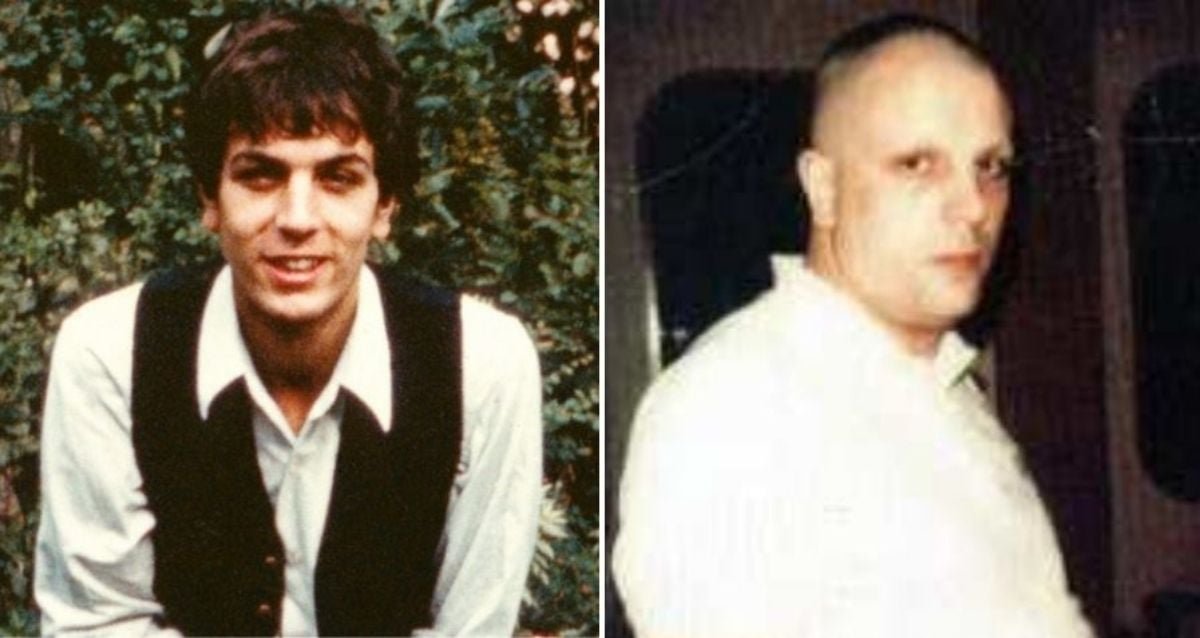
Syd Barrett co-founded Pink Floyd in 1965, serving as the primary songwriter and frontman during the group’s formative years. His leadership and creative vision drove the band’s early success, but his tenure ended in April 1968 due to deteriorating mental health and substance abuse. Barrett’s contributions established the psychedelic sound of the era before he withdrew entirely from public life.
Early Musical Development and Band Formation
Born Roger Keith Barrett on January 6, 1946, in Cambridge, England, the artist adopted the name “Syd” during his teenage years. He demonstrated a versatile musical aptitude early on, mastering the piano, ukulele, banjo, and guitar. His formal entry into the music scene began at age 15 with the group Geoff Mott and the Mottoes.
In 1964, while studying painting at the Camberwell College of Arts, Barrett began performing with Sigma 6. This ensemble included future Pink Floyd members Roger Waters, Nick Mason, and Richard Wright. By 1965, the group rebranded as The Pink Floyd Sound, later shortening the name to Pink Floyd.
Creative Contributions and Early Success
Barrett was the driving force behind the band’s initial artistic direction. He wrote the majority of the songs for the debut album, Piper at the Gates of Dawn, and penned early hits such as “See Emily Play,” which reached the UK top 10. Another notable track, “Arnold Layne,” explored unconventional themes and achieved moderate chart success despite facing radio censorship.
The Impact of Substance Abuse and Mental Health
Barrett’s creative output was closely linked to his use of LSD, which he began using in 1965. Over the following two years, his consumption increased, often combined with amphetamines and sedatives. This period coincided with a marked shift in his psychological state and professional behavior.
By May 1967, observers noted a significant decline in his stability. In the book White Bicycles: Making Music in the 1960s, producer Joe Boyd described Barrett as appearing vacant and detached during performances. His behavior became increasingly erratic, characterized by the following:
- Standing motionless on stage for extended periods.
- Refusing to sing or interact with the audience.
- Detuning his guitar during live performances.
- Failure to bring instruments to rehearsals or write new material.
These issues were evident during a performance on American Bandstand, where Barrett remained silent throughout the song and provided minimal responses during the interview. As his condition worsened, the band recruited David Gilmour to handle guitar duties.
Departure and Theoretical Causes of Breakdown
On April 6, 1968, Pink Floyd officially announced Barrett’s departure. While the cause of his breakdown remains a subject of debate among his peers, several theories emerged:
- Drug-induced change: Richard Wright suggested an acid overdose caused permanent damage.
- Psychological predisposition: Roger Waters believed Barrett suffered from schizophrenia.
- Catalytic effect: David Gilmour suggested the psychedelic experience acted as a catalyst for deep-rooted issues, noting that Barrett struggled with the pressures of sudden success. This perspective was shared in an interview with The Independent.
Life in Seclusion and Final Years
Following his exit from the band, Barrett attempted a solo career in the late 1960s and early 1970s. However, persistent mental health struggles and addiction issues hindered the success of his two solo albums. By 1974, he abandoned the music industry entirely.
Barrett retreated to his childhood home in Cambridge to live with his mother. He spent his remaining decades focusing on gardening and painting, funded by royalties from his early work with Pink Floyd. He avoided the public eye, refusing interviews and declining to attend his 1996 induction into the Rock and Roll Hall of Fame.
Syd Barrett died of pancreatic cancer in 2006 at the age of 60. While he did not return to the spotlight, his influence on the band’s trajectory was acknowledged by his former colleagues. David Gilmour, in a statement reported by Billboard, described him as a genius whose eccentric songs touched many people despite his brief professional career.