

Archaeological research continues to uncover the complexities of human history, yet certain sites remain unexplained despite centuries of study. From the massive geoglyphs of Peru to the megalithic stone structures in Laos, these ancient sites challenge modern understanding of early engineering and cultural motivations.
The Nazca Lines of Peru
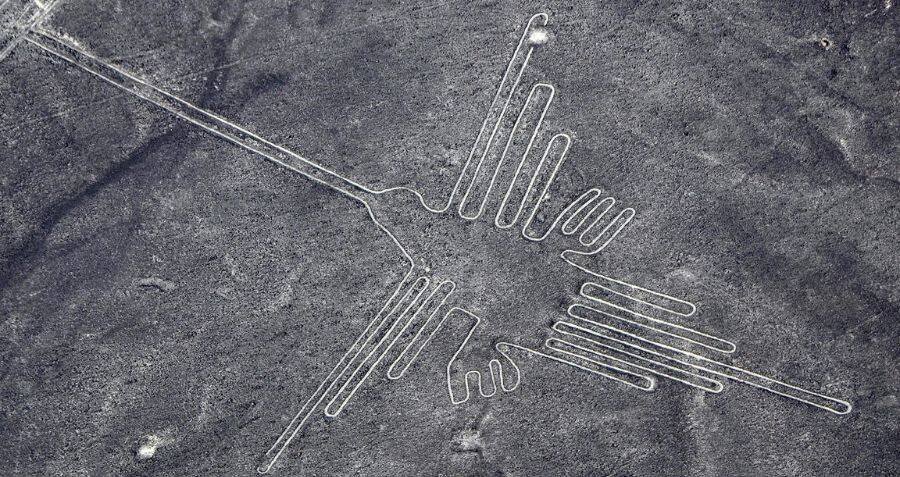
Located approximately 200 miles southeast of Lima, the Nazca Lines consist of a vast network of geoglyphs covering roughly 200 square miles. These markings are created by removing surface rocks and earth to reveal the lighter soil beneath, effectively creating negative images in the landscape.
The scale of these designs is immense. According to National Geographic, the site contains:
- More than 800 straight lines, some extending up to 30 miles.
- 300 geometric figures.
- 70 designs depicting plants and animals, including spiders, hummingbirds, and monkeys.
Because these figures are only clearly visible from the air, they remained largely unknown until the advent of aviation in the early 20th century. Early theories proposed by Paul Kosok and Maria Reiche suggested the lines served as an astronomical calendar. However, contemporary researchers believe the site was linked to water and fertility rituals. Given that the region receives only about 20 minutes of rainfall annually, the geoglyphs likely served as paths to ritual sites intended to appease deities for water.
The Plain of Jars in Laos
In the Xiengkhouang province of Laos, thousands of megalithic stone jars are scattered across the landscape. These structures, some reaching nine feet in height and weighing up to 14 tons, are carved from sandstone, granite, conglomerate, or calcified coral.
Archaeologists have identified more than 2,000 jars across 120 different sites. While local legends suggest the jars were created by giants to store rice wine, scientific evidence points toward a more somber purpose. Findings from Archaeology magazine indicate that human remains and tools dating from 500 B.C.E. to 800 C.E. have been found inside the jars, suggesting they may have functioned as funerary urns or graves.
The site is currently recognized as a UNESCO World Heritage Site, though it is considered one of the most dangerous archaeological locations in the world. This is due to the presence of approximately 80 million unexploded bombs left over from the Vietnam War era.
What are the world’s greatest unsolved mysteries?
Beyond the Nazca Lines and the Plain of Jars, history is filled with enigmas that defy simple explanation. These mysteries often involve massive structures or vanished civilizations where the primary records have been lost. Common examples include the purpose of the Moai statues on Easter Island and the current location of the Ark of the Covenant.
Many of these terrestrial puzzles mirror the scale of major space mysteries that scientists cannot explain, where the lack of direct data leaves experts to rely on theoretical models and indirect evidence.
Why do these ancient mysteries persist?
The persistence of these mysteries is usually due to three primary factors:
- Lack of Written Records: Many of the cultures that created these sites did not leave behind written texts explaining their motives.
- Environmental Degradation: Over thousands of years, erosion and weather can destroy the clues needed to understand a site’s original function.
- Scale and Accessibility: The sheer size of sites like the Nazca Lines makes them difficult to study comprehensively without advanced technology.
Common Characteristics of Ancient Enigmas
While the Nazca Lines and the Plain of Jars are geographically distant, they share several characteristics typical of ancient mysteries. Both involve the movement of massive amounts of material—whether earth or stone—without the aid of modern machinery. Additionally, both sites are located in regions where survival depended heavily on environmental factors, such as water access in Peru or territorial control in Laos.
Further research into these sites continues via organizations like Heritage Daily, as new technologies like LIDAR and satellite imaging allow archaeologists to see patterns that were previously invisible to the naked eye.
Ultimately, these sites serve as reminders of the technical capabilities and spiritual complexities of early human societies, proving that ancient peoples possessed sophisticated methods of organization and engineering that continue to challenge modern assumptions.